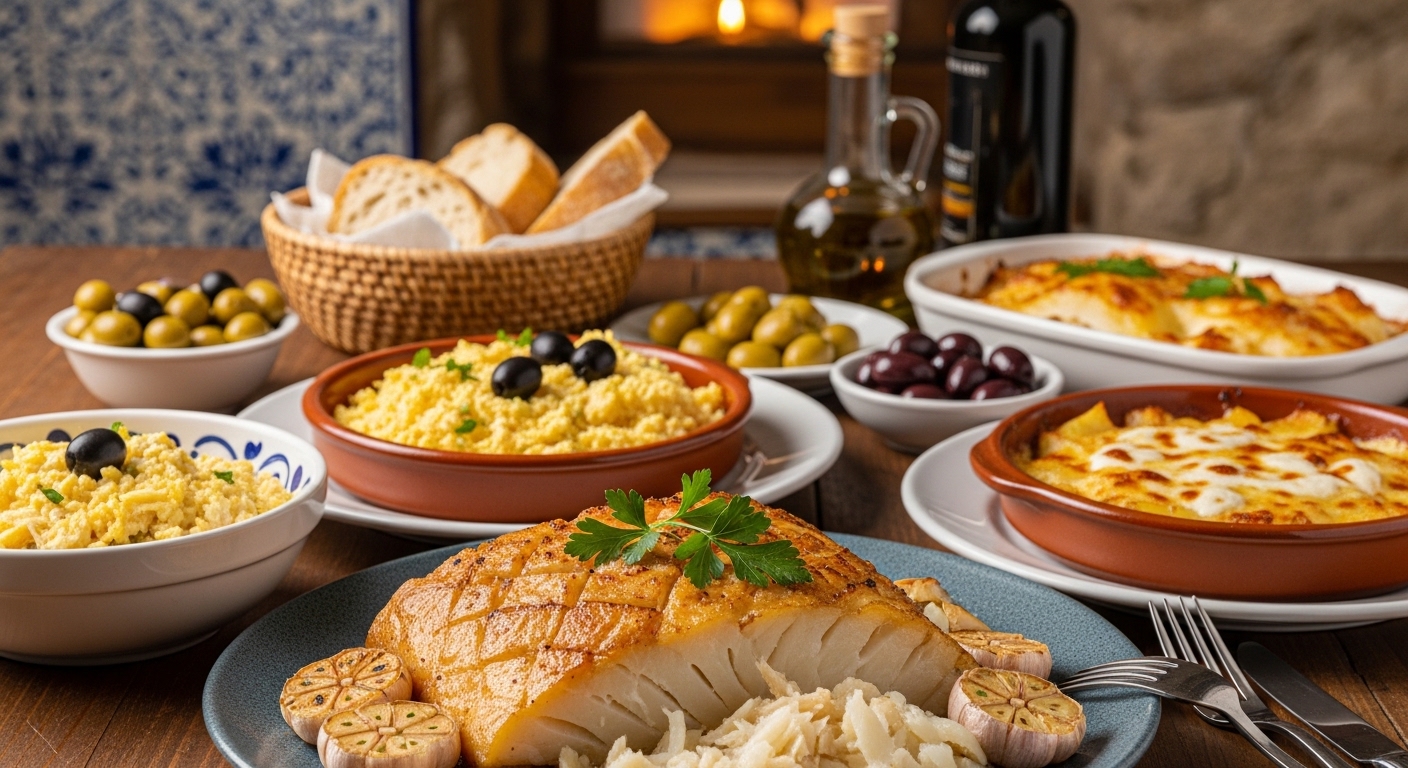
There’s something deeply comforting about a dish that has traveled across centuries, oceans, and cultures—yet still carries the unmistakable soul of its origin. Portuguese bacalhau is more than just salted cod; it’s a culinary legend woven into the fabric of daily life, family gatherings, and national identity. Whether served at a quiet Sunday lunch or a festive holiday feast, this iconic fish dish embodies warmth, tradition, and flavor. If you’ve ever wondered what makes Portuguese bacalhau so beloved around the world, let’s dive into its rich history, irresistible taste, and the secrets behind every perfect bite.
Why Portuguese Bacalhau Stands Out
Bacalhau, meaning “cod” in Portuguese, holds a special place in Portuguese hearts. Despite Portugal’s long coastline, dried and salted cod became a staple due to the scarcity of fresh fish in inland regions and the country’s extensive maritime trade. By the 15th century, Portuguese sailors were already exporting bacalhau to colonies and back home, making it a cornerstone of both domestic and international cuisine.
Today, bacalhau isn’t just food—it’s ritual. Every year, on February 5th, Portugal celebrates National Bacalhau Day (Dia Nacional do Bacalhau), honoring the fish that shaped a nation. But beyond tradition, it’s the versatility, depth of flavor, and ability to transform into countless recipes that keep people coming back.
Quick Recipe Summary Table
- Prep Time: 20 minutes
- Cook Time: 30–40 minutes
- Total Time: 50–60 minutes
- Servings: 4
- Cuisine: Portuguese
- Course: Main Dish
- Calories (approx.): 480 per serving
Ingredients You’ll Need for Authentic Portuguese Bacalhau
To make a truly authentic Portuguese bacalhau dish, gather these carefully selected ingredients:
- 1 lb (450g) dried Portuguese bacalhau (preferably from Newfoundland)
- 3 large potatoes, peeled and sliced thin
- 2 onions, finely chopped
- 4 garlic cloves, minced
- 4 hard-boiled eggs, peeled and halved
- 1 cup (150g) black olives (preferably Portuguese Manzanilla or Kalamata)
- 1/2 cup (75g) green pitted olives
- 2 bay leaves
- Fresh parsley, chopped (for garnish)
- Salt and black pepper to taste
- Extra virgin olive oil (for drizzling)
- White wine (optional, for deglazing)
Step-by-Step Cooking Instructions
1. Soak the Bacalhau
Begin by soaking the dried bacalhau overnight in cold water, or for at least 24 hours, changing the water every 6–8 hours. This step is crucial to remove excess salt. When ready, drain and rinse well. Cut off the skin and any tough cartilage, then break the fish into large flakes.
2. Prepare the Base
In a large pot or deep skillet, heat a generous amount of olive oil over medium heat. Add the chopped onions and sauté until translucent (about 5 minutes). Stir in the minced garlic and cook for another minute, being careful not to burn it.
3. Layer the Ingredients
Arrange half of the potato slices in the pot, followed by half the onions and garlic. Scatter half the bacalhau over the top. Repeat with the remaining potatoes, fish, and seasonings. Place the bay leaves on top for aroma.
4. Simmer with Liquid
Add enough water to cover the layers by about an inch. Bring to a gentle boil, then reduce heat to low. Cover and simmer for 20–25 minutes, or until the potatoes are tender. If needed, add a splash of white wine to enhance flavor and help deglaze the pan.
5. Finish with Eggs and Olives
Carefully arrange the hard-boiled egg halves and olives around the edges of the dish. Drizzle with a little more olive oil and garnish with fresh parsley.
6. Serve Warm
Let the bacalhau rest for 10 minutes before serving. This allows flavors to meld beautifully. Serve hot directly from the pot, ideal for sharing.
Chef Tips for Perfect Portuguese Bacalhau
- Soaking Matters: Never skip or rush the soaking process. Proper desalting ensures the fish isn’t too salty and becomes tender.
- Use Quality Olive Oil: A good extra virgin olive oil elevates the entire dish—don’t use generic brands.
- Layer Like a Lasagna: Building layers of potatoes and fish helps create a cohesive texture and prevents the fish from drying out.
- Simmer Gently: High heat can toughen the fish. Low and slow is key.
- Garnish Generously: Fresh parsley and a final olive oil drizzle make the dish visually appealing and aromatic.
Common Mistakes to Avoid
- Not Soaking Enough: Under-soaked bacalhau can be unpleasantly salty and rubbery.
- Overcooking the Fish: Once added, the fish should only simmer—not boil vigorously.
- Skipping Potatoes: They absorb flavor and provide structure. Omitting them changes the dish entirely.
- Using Pre-cooked Bacalhau: Always start with raw, dried fish for authentic results.
Ingredient Substitutions & Variations
While traditional Portuguese bacalhau calls for specific ingredients, here are some flexible swaps:
- Bacalhau Substitute: Fresh cod or haddock can work, but adjust cooking time and skip soaking.
- Vegetarian Version: Replace fish with smoked tofu and mushrooms, using vegetable broth instead of water.
- Spicy Twist: Add red chili flakes or a diced jalapeño for heat.
- Indian-Inspired: Use turmeric, garam masala, and coconut milk for a fusion twist—still delicious!
- Healthier Option: Reduce potatoes slightly and increase greens like spinach or kale.
Serving Suggestions
Portuguese bacalhau shines when paired thoughtfully. Serve it with:
- A crisp white wine like Vinho Verde
- Warm crusty bread to soak up the flavorful juices
- A simple arugula salad with lemon vinaigrette to cut through richness
- Champagne or dry vermouth for festive occasions
It’s also excellent as a main course at family dinners or a centerpiece for New Year’s Eve celebrations—symbolizing prosperity in Portuguese culture.
Storage & Reheating Instructions
Leftovers? Don’t waste them! Store cooled bacalhau in an airtight container in the refrigerator for up to 3 days. To reheat:
- Place in a baking dish with a splash of water
- Cover with foil and bake at 350°F (175°C) for 15–20 minutes
- Alternatively, warm gently on the stovetop over low heat, adding a little broth if too dry
Avoid microwaving unless necessary—it can dry out the fish.
Nutrition Facts (Approximate Per Serving)
- Calories: 480
- Protein: 38g
- Fat: 22g (mostly heart-healthy omega-3s)
- Carbohydrates: 32g
- Fiber: 3g
- Sodium: 1,200mg (adjust based on soaking time)
- Vitamins: Rich in B12, selenium, and phosphorus
Note: Nutrition varies depending on preparation method and ingredients used.
Key Takeaways
- Portuguese bacalhau is more than a dish—it’s a cultural icon rooted in history and shared meals.
- Proper soaking and layering are essential for achieving tender, flavorful results.
- The recipe is highly adaptable, allowing for vegetarian, spicy, or fusion interpretations.
- With its high protein content and rich nutrients, bacalhau offers both taste and health benefits.
- Reheating leftovers preserves flavor when done gently and respectfully.
Frequently Asked Questions (FAQs)
Q: Is Portuguese bacalhau always made with dried cod?
A: Yes, traditionally, Portuguese bacalhau refers to dried and salted Atlantic cod. Fresh cod is rarely used in authentic preparations.
Q: Can I use frozen bacalhau?
A: Frozen dried bacalhau is acceptable, but ensure it’s fully thawed and soaked properly before cooking.
Q: Why is bacalhau so popular in Portugal?
A: Due to historical trade routes, lack of fresh fish inland, and its long shelf life, bacalhau became affordable and accessible nationwide.
Q: How many ways are there to prepare bacalhau in Portugal?Q: How many ways are there to prepare bacalhau in Portugal?
A: There are over 365 documented recipes—one for each day of the year!
Q: What’s the best type of olive oil to use?
A: Extra virgin olive oil from Portugal or Spain works best—look for fruity, peppery notes that complement the fish.
Conclusion: Embrace the Legacy of Portuguese Bacalhau
Portuguese bacalhau isn’t just a meal—it’s an experience. It connects us to centuries of sailors, families, and traditions. Whether you’re cooking it for a cozy dinner or a grand celebration, every forkful tells a story. With its balance of earthy potatoes, savory fish, and tangy olives, it’s a dish that warms the body and soul.
So roll up your sleeves, gather your ingredients, and bring a taste of Portugal to your table. Your first bite will whisper, “Bom apetite”—and maybe even inspire you to learn more about this timeless classic.