Polish Hunter Stew: A Hearty, Flavor-Packed Comfort Dish Rooted in Tradition
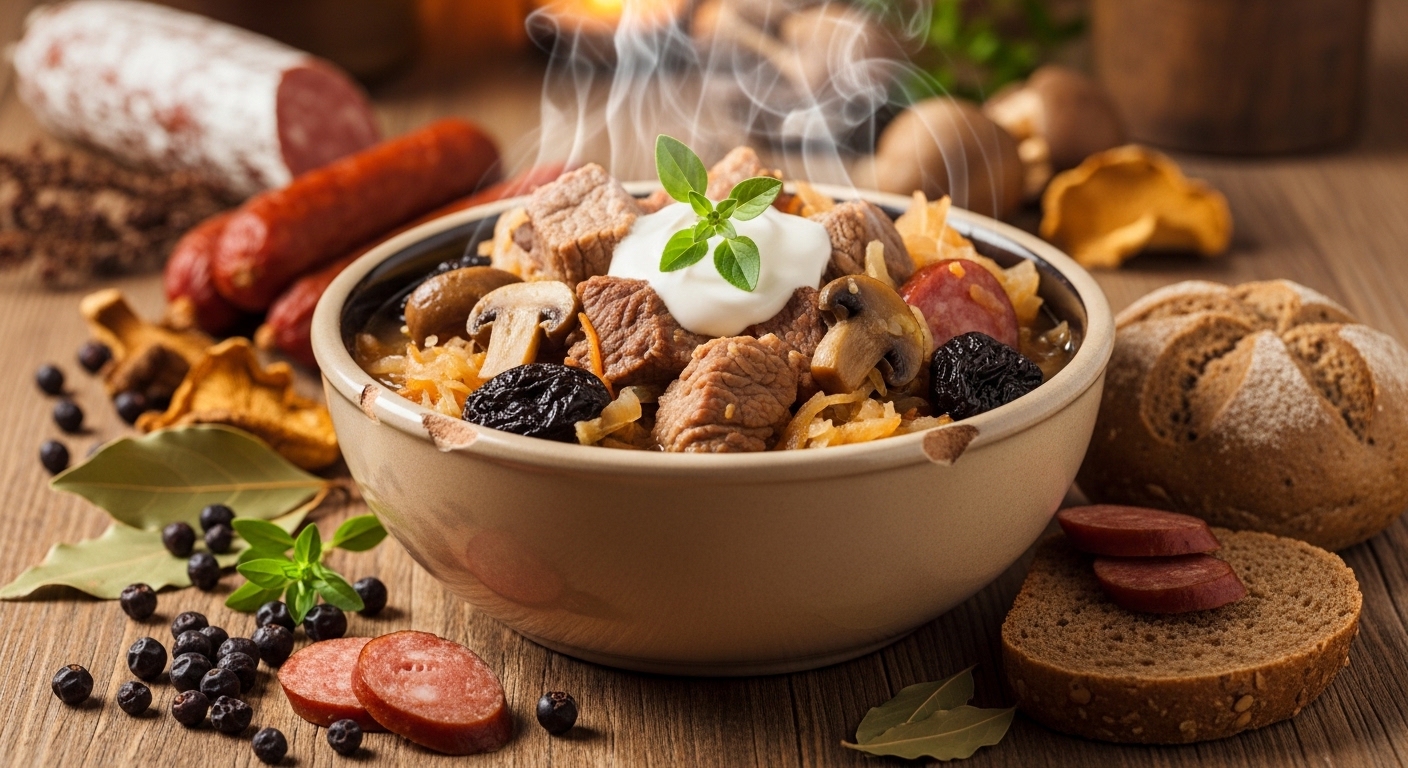
There’s something deeply satisfying about a stew that warms you from the inside out—especially one that carries centuries of culinary heritage. Polish Hunter Stew, known in Poland as gulasz z myśliwskiego, is more than just a meal; it’s a celebration of rustic flavors, forest-inspired ingredients, and time-honored cooking techniques. Traditionally made with game meats like deer or wild boar, this rich, slow-cooked stew bursts with deep umami notes from mushrooms, onions, and a touch of paprika. Whether you’re preparing it for a cozy family dinner or impressing guests at a gathering, Polish Hunter Stew delivers bold taste and soulful comfort in every spoonful.
In this comprehensive guide, we’ll walk you through an authentic yet accessible recipe that captures the essence of Polish country cooking—even if you’re using chicken or beef instead of wild game. You’ll learn how to balance smoky paprika, aromatic bay leaves, and earthy mushrooms into a thick, velvety sauce that clings perfectly to tender chunks of meat. Plus, we’ll share pro tips, common pitfalls to avoid, and creative twists so you can make it your own.
What Is Polish Hunter Stew?
Polish Hunter Stew originates from rural Poland, where hunters would return from the woods with fresh game and transform it into nourishing meals for their families. The dish reflects the resourcefulness of Eastern European cuisine—using whatever was on hand to create something flavorful and filling. Over time, the original version evolved, incorporating locally available proteins and simplifying the process for home cooks.
Today, while authentic hunter stews still use wild game, many modern versions substitute chicken, pork, or even beef to make the dish more accessible. Regardless of protein choice, the foundation remains the same: slow-simmered meat in a savory broth enriched with mushrooms, garlic, onions, tomatoes, and a generous dose of smoked paprika. The result? A deeply complex flavor profile that’s both robust and comforting.
Key Takeaways
- Polish Hunter Stew is a traditional Eastern European dish originally made with wild game.
- The stew features rich, smoky flavors from paprika, mushrooms, and slow-cooked meat.
- It’s versatile—you can use chicken, beef, or pork as substitutes for wild game.
- Serve over egg noodles, mashed potatoes, or with crusty bread for a complete meal.
- This hearty stew freezes well and tastes even better the next day.
Quick Recipe Summary
| Prep Time | 20 minutes |
| Cook Time | 2 hours (or use Instant Pot for faster prep) |
| Total Time | 2 hours 20 minutes |
| Servings | 6–8 |
| Cuisine | Polish / Central European |
| Course | Main Dish |
| Calories (approx.) | 380 per serving |
Ingredients You’ll Need
To make an authentic-tasting Polish Hunter Stew, gather these ingredients:
For the Stew:
- 2 lbs (about 900g) boneless beef chuck or stewing chicken, cut into 1-inch cubes
- 4 tablespoons vegetable oil or bacon fat (for richness)
- 2 large yellow onions, finely chopped
- 4 cloves garlic, minced
- 8 oz (about 225g) mixed mushrooms (cremini, shiitake, or button), sliced
- 2 medium carrots, diced
- 2 celery stalks, diced
- 2 tablespoons tomato paste
- 2 teaspoons sweet Hungarian paprika (smoked paprika adds extra depth)
- 1 teaspoon caraway seeds (optional but traditional)
- 2 bay leaves
- 2 cups (480ml) beef or chicken stock
- 1 cup (240ml) dry white wine (optional; substitute with extra stock)
- Salt and freshly ground black pepper to taste
- 2 tablespoons all-purpose flour (optional, for thickening)
- Fresh parsley, chopped (for garnish)
For Serving:
- Egg noodles, cooked
- Mashed potatoes
- Crusty rye bread
Step-by-Step Cooking Instructions
Follow these simple steps to prepare a delicious Polish Hunter Stew at home:
- Brown the Meat: Heat 2 tablespoons of oil in a heavy-bottomed Dutch oven or large pot over medium-high heat. Working in batches, sear the meat pieces until browned on all sides. Remove and set aside.
- Sauté Vegetables: In the same pot, add the remaining oil. Add onions, carrots, and celery. Cook for 5–7 minutes until softened. Stir in garlic and cook for another minute.
- Add Mushrooms: Push vegetables to one side of the pot and add sliced mushrooms. Cook until they release their moisture and turn golden brown—about 5 minutes.
- Deglaze & Build Flavor: Pour in the white wine (if using), scraping up any browned bits from the bottom of the pan. Let it reduce by half. Stir in tomato paste, paprika, caraway seeds, and bay leaves.
- Return Meat & Simmer: Add the seared meat back to the pot. Pour in the stock and bring to a gentle boil. Reduce heat to low, cover, and simmer for 1.5 to 2 hours, stirring occasionally, until meat is fork-tender.
- Thicken (Optional): For a thicker stew, mix 2 tablespoons of flour with ¼ cup cold water to make a slurry. Stir into the stew and simmer 10 minutes until desired consistency.
- Taste & Adjust: Season with salt and pepper as needed. Remove bay leaves before serving.
- Garnish & Serve: Ladle stew into bowls, top with fresh parsley, and serve hot over egg noodles or with mashed potatoes.
Chef Tips for Best Results
- Use Hungarian paprika for authentic flavor—it’s sweeter and milder than Spanish varieties.
- Don’t skip browning the meat—it builds crucial fond (the flavor base) in the pot.
- If using chicken, reduce cooking time to 45–60 minutes since it cooks faster than beef.
- Let the stew rest for 10–15 minutes after cooking—it allows flavors to meld beautifully.
- For deeper flavor, marinate the meat overnight in a mix of onion juice, paprika, and a splash of vinegar.
Common Mistakes to Avoid
- Overcooking the meat: This leads to tough, stringy texture. Stick to recommended times based on protein.
- Skipping the sear: Without browning, your stew will lack depth and richness.
- Too much liquid: A thin stew isn’t satisfying. Use enough to cover, but don’t drown the meat.
- Ignoring acidity: A splash of vinegar or lemon juice at the end brightens the stew and balances richness.
- Using low-quality paprika: Cheap paprika lacks body. Invest in good smoked or sweet Hungarian paprika.
Ingredient Substitutions & Variations
Want to adapt this recipe? Here are smart swaps:
Protein Options:
- Wild Game: Rabbit, venison, or duck (traditional)
- Pork: Shoulder or loin—adds fat and tenderness
- Lamb: Adds a slightly gamier note (great with rosemary!)
- Vegetarian/Vegan: Use portobello mushrooms + soy curls or seitan
Vegetable Swaps:
- Replace mushrooms with sauerkraut for tanginess
- Add parsnips or turnips for sweetness
- Include red bell peppers for color and mild crunch
Flavor Twists:
- Indian Style: Add turmeric, cumin, and garam masala—pair with basmati rice
- Healthier Version: Use lean cuts of meat, less oil, and more veggies
- Smoother Texture: Blend half the stew before returning meat
Serving Suggestions
Polish Hunter Stew shines when paired thoughtfully:
- With Noodles: Soft egg noodles soak up every bit of sauce—classic and irresistible.
- Mashed Potatoes: Creamy spuds provide contrast to the stew’s richness.
- Rye Bread: Crusty sourdough or pumpernickel is perfect for sopping up gravy.
- Side Salad: A simple arugula salad with lemon vinaigrette cuts through the heaviness.
- Pickled Vegetables: Quick-pickled beets or cucumbers offer a refreshing crunch.
Storage & Reheating Instructions
This stew improves with age! Here’s how to store it properly:
- Refrigeration: Store in an airtight container for up to 4 days.
- Freezing: Freeze for up to 3 months. Thaw overnight in the fridge before reheating.
- Reheating: Warm gently on stove over low heat, adding a splash of stock or water if too thick. Never boil vigorously—this can break down the meat.
Nutrition Facts (Approximate Per Serving – 1 Cup Served With Noodles)
- Calories: 380
- Protein: 32g
- Fat: 18g
- Carbohydrates: 22g
- Fiber: 2g
- Sugar: 4g
- Sodium: 620mg
FAQs About Polish Hunter Stew
1. Can I make Polish Hunter Stew in a slow cooker?
Absolutely! After browning the meat and sautéing the aromatics, transfer everything to a slow cooker. Cook on low for 6–8 hours or high for 3–4 hours until meat is tender. Just be sure not to overcook chicken—reduce time accordingly.
2. What makes the stew “hunter” style?
The term refers to its origins among hunters who used wild game, mushrooms, and root vegetables found in the forest. Today, it simply describes a rustic, hearty dish full of earthy, savory elements.
3. Why is paprika so important?
Paprika gives the stew its signature color and smoky-sweet depth. Sweet Hungarian paprika is ideal—it’s not spicy but adds complexity without heat.
4. Can I use canned tomatoes?
Yes, but drain excess liquid first. Fresh crushed tomatoes work best, but diced canned ones are fine if you’re short on time.
5. How do I know when the stew is done?
The meat should pull apart easily with a fork and have absorbed all the flavors. If it’s still chewy, continue simmering uncovered until tender.
Conclusion: Bring Home the Taste of the Forest
Polish Hunter Stew isn’t just food—it’s storytelling on a plate. Every bite connects you to generations of cooks who turned humble ingredients into something extraordinary. Whether you’re using wild game or a simpler cut of beef, this stew rewards patience, love, and attention to detail.
So fire up your stovetop, gather your favorite spices, and let the aroma transport you to a quiet village in the Polish countryside. Your family will thank you. And who knows? You might just discover a new favorite comfort dish that becomes a tradition of its own.
Ready to try it tonight? Grab those ingredients and start cooking—your kitchen (and your taste buds) will thank you.