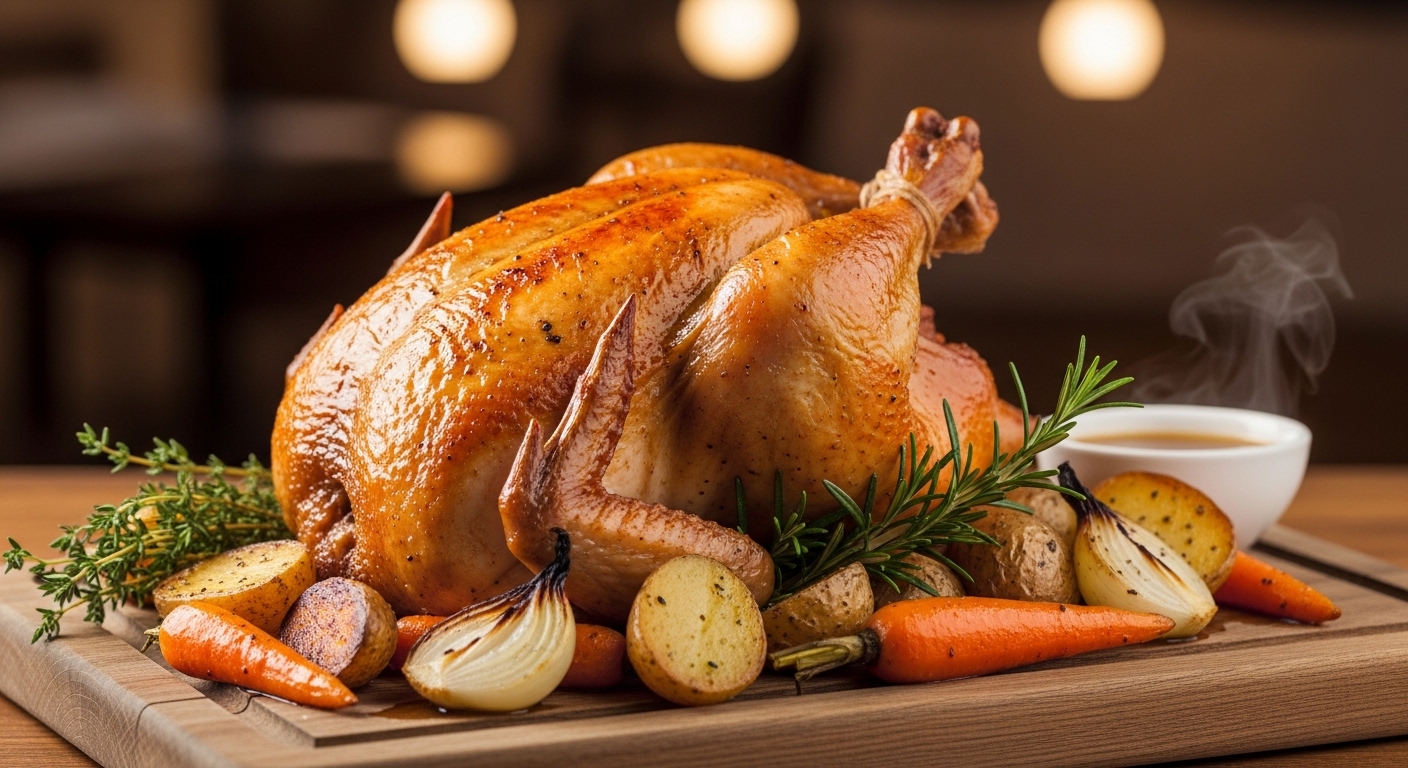
There’s something deeply comforting about the aroma of golden-brown chicken roasting in the oven—especially when that dish carries the elegance and sophistication of a true Parisian classic. If you’ve ever wondered what makes *Parisian roast chicken* so beloved across fine dining tables and home kitchens alike, you’re in for a treat. This iconic dish isn’t just about juicy meat and crispy skin; it’s a symphony of flavors rooted in French culinary tradition, where simplicity meets refinement. With its succulent roasted chicken, aromatic herbs, and buttery pan juices, this recipe delivers restaurant-quality results with minimal effort. Whether you’re hosting a dinner party or seeking a cozy family meal, mastering Parisian roast chicken is your ticket to authentic French comfort food.
What Makes Parisian Roast Chicken So Special?
The charm of Parisian roast chicken lies in its balance—rich without being heavy, flavorful yet uncomplicated. Unlike some elaborate French recipes, this one relies on high-quality ingredients and precise technique rather than complex sauces or lengthy preparation. Traditionally, it features whole chickens (often free-range) seasoned simply with salt, pepper, thyme, and garlic, then roasted until the skin turns crisp and the meat stays tender and juicy. The secret? A hot oven and constant attention to temperature control.
This method draws from the French concept of *”manger simplement mais bien”*—eating simply but well. It’s a celebration of seasonal produce, fresh herbs, and perfectly cooked protein. In Parisian bistros, you might find this dish served with garlic mashed potatoes, roasted vegetables, or a light green salad—but at its core, it stands alone as a masterpiece of roasted poultry perfection.
Quick Recipe Summary
- Prep Time: 20 minutes
- Cook Time: 1 hour 15 minutes
- Total Time: 1 hour 35 minutes
- Servings: 4–6 people
- Cuisine: French
- Course: Main Dish
- Calories (approx.): 480 per serving (with skin)
Ingredients You’ll Need
To create an unforgettable Parisian roast chicken, gather these essential ingredients:
- 1 whole chicken (about 4–5 lbs / 1.8–2.3 kg), preferably organic or free-range
- 4 tablespoons unsalted butter, softened
- 4 cloves garlic, minced
- 1 lemon, halved
- 1 bunch fresh thyme (or 1 tablespoon dried thyme)
- 1 teaspoon sea salt (preferably fleur de sel)
- Freshly ground black pepper
- 1 onion, quartered
- 2 carrots, roughly chopped
- 2 celery stalks, chopped
- 1 cup dry white wine (optional but recommended)
Step-by-Step Cooking Instructions
Step 1: Prepare the Chicken
Begin by patting your chicken completely dry using paper towels. This step is crucial—dry skin ensures maximum crispiness during roasting. Remove any giblets from the cavity if present.
Step 2: Make the Herb Butter
In a small bowl, mix the softened butter with minced garlic, half of the thyme leaves, salt, and freshly ground black pepper. Rub this mixture generously under the skin and over the surface of the chicken. Gently tuck the remaining herb stems into the cavity along with the lemon halves.
Step 3: Season & Rest
Sprinkle the outside of the chicken lightly with additional salt and pepper. Let it rest at room temperature for about 20–30 minutes while you preheat the oven. This helps ensure even cooking.
Step 4: Set Up the Roasting Pan
Place the onion, carrots, and celery in the bottom of a roasting pan. This creates a flavorful base known as a “fond,” which will later become the foundation for rich pan sauces or gravy.
Step 5: Roast to Perfection
Preheat your oven to 425°F (220°C). Place the chicken breast-side up on top of the vegetables. Roast for 45 minutes, then reduce the heat to 375°F (190°C) and continue roasting for another 25–30 minutes, or until an instant-read thermometer inserted into the thickest part of the thigh registers 165°F (74°C).
Step 6: Baste & Final Crisp
About 20 minutes into the second stage of roasting, baste the chicken with the pan juices once or twice. For extra crispy skin, finish under the broiler for 2–3 minutes—watch closely to avoid burning.
Step 7: Rest & Serve
Remove the chicken from the oven and let it rest for 15–20 minutes before carving. This allows the juices to redistribute, keeping every bite moist and flavorful.
Chef Tips for Best Results
- Use a meat thermometer: Overcooking is the #1 enemy of juicy chicken. Relying solely on time can lead to dry meat.
- Don’t skip drying the bird: Moisture = soggy skin. Pat it down thoroughly.
- Let it come to room temp: Skipping this step leads to uneven cooking—the outside burns before the inside cooks through.
- Baste early and often: Helps promote even browning and adds moisture.
- Resting is non-negotiable: Resist the urge to carve immediately after removing from the oven.
Common Mistakes to Avoid
- Using cold chicken straight from the fridge: Always let it warm slightly before roasting.
- Overstuffing the cavity: Too many herbs or veggies can steam the bird instead of letting it crisp.
- Skipping the basting step: Results in uneven color and texture.
- Cooking at too low a temperature: Low heat causes the skin to turn gray instead of golden-brown.
Ingredient Substitutions & Variations
While traditional Parisian roast chicken relies on simple, clean flavors, feel free to adapt based on availability or preference:
- Herb swap: Rosemary or tarragon can replace thyme for a different aromatic profile.
- Lemon alternative: Orange zest or even a splash of vermouth can add brightness.
- Vegan option: Use a plant-based butter substitute and serve over roasted root vegetables or lentil stew.
- Spice it up: Add a pinch of smoked paprika or cayenne for a subtle kick.
- Indian twist: Replace thyme with curry leaves, ginger-garlic paste, and turmeric. Serve with basmati rice and raita.
Serving Suggestions
Serve your Parisian roast chicken with sides that complement its rich, savory essence:
- Classic accompaniment: Creamy garlic mashed potatoes and sautéed green beans.
- French flair: Buttered noodles with parsley or a simple green salad dressed in Dijon vinaigrette.
- Pan sauce: Deglaze the roasting pan with white wine, scrape up all the browned bits (*fond*), and simmer into a silky sauce.
- Side notes: A crusty baguette dipped in the pan juices is almost mandatory in Paris!
Storage & Reheating Instructions
- Refrigerate: Store leftovers in an airtight container for up to 3 days.
- Freeze safely: Cooked chicken can be frozen for up to 3 months. Thaw overnight in the fridge before reheating.
- Reheat best way: Warm slices in a 325°F (160°C) oven for 10–12 minutes to retain moisture. Avoid microwave reheating, which dries out the meat.
Nutrition Facts (Approximate per Serving)
- Calories: 480
- Protein: 42g
- Fat: 28g
- Carbohydrates: 2g
- Fiber: 0.5g
- Sugar: 1g
- Sodium: 520mg
FAQ
1. Can I use a store-bought rotisserie chicken instead?
Yes, but expect less flavor and texture. Rotisserie chickens are often brined, which can make them salty. If using one, skip the seasoning and focus on crisping the skin under the broiler with a little olive oil and herbs.
2. How do I keep the chicken moist during roasting?
The herb butter and resting period are key. Also, avoid opening the oven door frequently, as sudden temperature drops slow down cooking and cause steaming instead of browning.
3. What if I don’t have fresh thyme?
Dried thyme works just fine—just use half the amount (since dried herbs are more concentrated). You can also substitute with oregano or marjoram if needed.
4. Is it okay to roast multiple chickens at once?
Only if your oven has enough space and proper airflow. Otherwise, cook one at a time to ensure even heat distribution and browning.
5. Can I make this ahead of time?
Absolutely! Assemble everything the night before, refrigerate, and take the chicken out 30 minutes before roasting. This reduces stress and ensures better results.
Key Takeaways
- Parisian roast chicken is a hallmark of French home cooking—simple ingredients, elegant execution.
- Proper preparation—drying, seasoning, and resting—is just as important as the roasting process.
- Always use a meat thermometer to guarantee perfect doneness without overcooking.
- Pair with classic French sides like mashed potatoes or pan sauces for an authentic experience.
- This recipe is versatile—adaptable to dietary needs and regional tastes while staying true to its roots.
Conclusion: Bring French Elegance to Your Table
Mastering Parisian roast chicken isn’t about perfection—it’s about confidence in the kitchen and a love for good food. Once you’ve tried this recipe, you’ll understand why it remains a staple in both rustic farmhouse kitchens and Michelin-starred bistros. The golden-brown skin, fragrant herbs, and melt-in-your-mouth tenderness speak volumes without saying a word.
So roll up your sleeves, preheat that oven, and prepare to impress with a dish that embodies the soul of France. Whether you’re celebrating a special occasion or simply craving something comforting yet refined, this roast chicken delivers every time. Bon appétit!
Leave a Reply