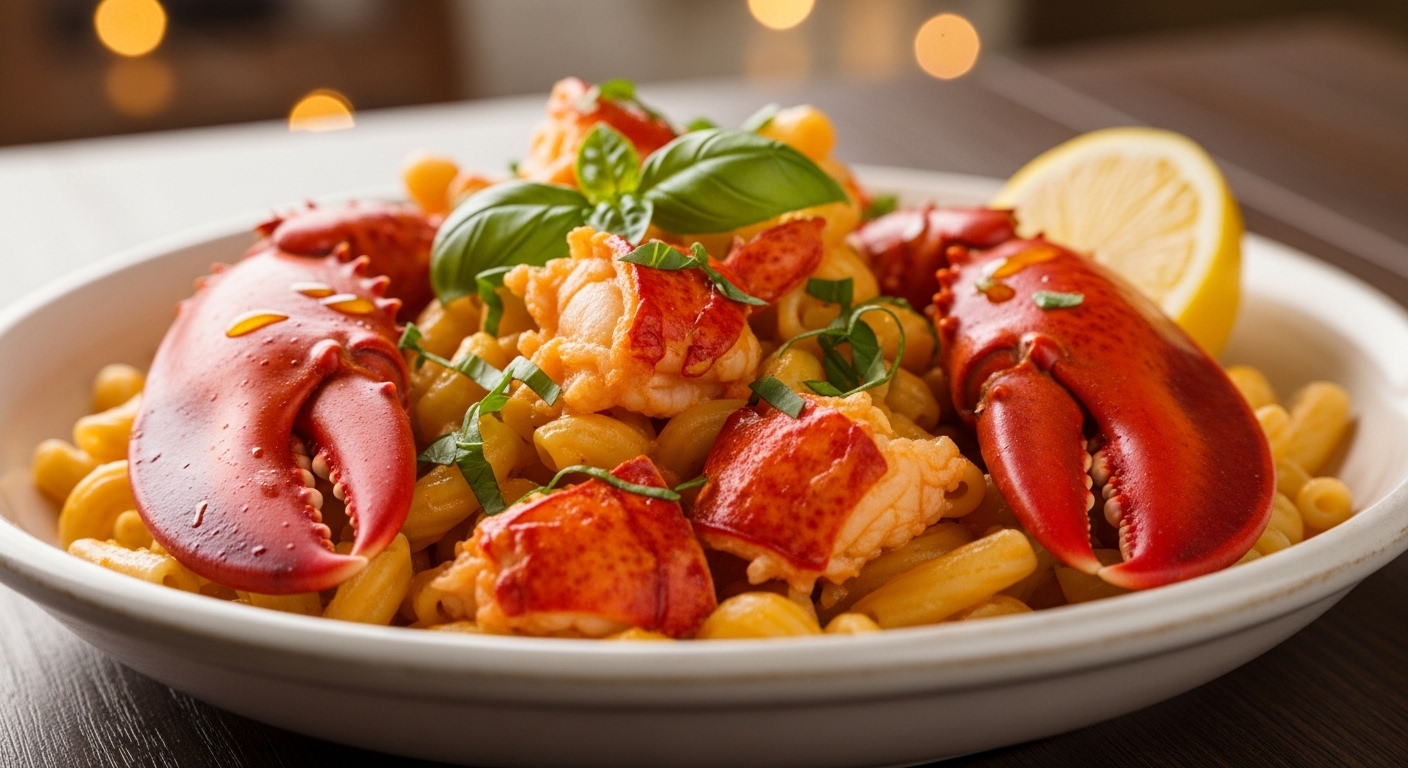
Have you ever wondered what makes Maine lobster pasta such a celebrated dish across fine dining restaurants and coastal kitchens? This luxurious seafood creation—featuring tender, sweet lobster meat tossed in a rich garlic butter sauce over al dente pasta—captures the essence of New England’s culinary heritage. With its indulgent flavors and elegant presentation, it’s no surprise that this recipe has become a favorite for special occasions or when you simply want to treat yourself to something extraordinary.
In this comprehensive guide, we’ll walk you through an authentic, restaurant-quality Maine lobster pasta recipe that delivers restaurant-level results in your own kitchen. Whether you’re a seasoned home cook or just starting out, our step-by-step instructions, chef tips, and ingredient substitutions will ensure your dish turns out perfectly every time.
Why Maine Lobster Pasta Stands Out
Originating from the rocky shores of coastal Maine, lobster is one of America’s most prized seafood treasures. When paired with al dente pasta and a savory garlic-herb sauce, it creates a symphony of textures and tastes that elevate any meal. The key lies in balancing the brininess of the lobster with creamy, aromatic elements without overpowering its delicate flavor.
This dish isn’t just about luxury—it’s about technique. Mastering the right cooking method for both the lobster and pasta ensures each bite delivers maximum satisfaction. From selecting fresh ingredients to timing the sauce reduction, every detail matters when crafting this iconic seafood classic.
Key Takeaways
- Flavor Profile: Sweet, buttery lobster meat with garlic, herbs, and white wine notes.
- Cooking Time: Approximately 30–35 minutes total (prep + cook).
- Serving Style: Best served immediately while hot and saucy.
- Perfect For: Date nights, holiday dinners, or impressing guests.
Quick Recipe Summary Table
| Prep Time | Cook Time | Total Time | Servings | Cuisine | Course | Calories* |
|---|---|---|---|---|---|---|
| 15 minutes | 20 minutes | 35 minutes | 4 | American/New England | Main Course | Approx. 650 kcal |
*Per serving; may vary based on ingredients used
Essential Ingredients for Authentic Maine Lobster Pasta
To achieve that perfect balance of richness and freshness, quality ingredients are non-negotiable. Here’s exactly what you’ll need:
Ingredients List
- Fresh Maine Lobster Tails: 4 large tails (about 6 oz each), thawed if frozen
- Pasta: 12 oz spaghetti, linguine, or fettuccine (cooked al dente)
- Butter: 6 tablespoons (unsalted, preferably European-style)
- Garlic: 4 cloves, minced
- White Wine: ½ cup (dry vermouth or substitute with chicken broth)
- Lemon: Zest of 1 lemon + juice of half
- Heavy Cream: ½ cup
- Fresh Parsley: ¼ cup chopped
- Red Pepper Flakes: Pinch (optional, for heat)
- Salt & Black Pepper: To taste
- Grated Parmesan Cheese: ½ cup (for serving)
Step-by-Step Cooking Instructions
Follow these clear, beginner-friendly steps to create a flawless Maine lobster pasta that rivals top-rated seafood restaurants.
Step 1: Prepare the Lobster
Start by carefully splitting each lobster tail lengthwise using kitchen shears. Remove the tomalley (green liver) if desired (it’s edible but some prefer to discard it). Gently loosen the meat from the shell and set aside. Reserve the shells for optional stock-making later.
Step 2: Cook the Pasta
Bring a large pot of salted water to boil. Cook pasta according to package directions until al dente. Drain well and toss with 1 tablespoon of reserved pasta water to prevent sticking.
Step 3: Sear the Lobster
Heat 2 tablespoons of butter in a large skillet over medium-high heat. Add lobster meat and sear for 1–2 minutes per side until just opaque. Transfer to a plate and cover to keep warm.
Step 4: Build the Sauce
In the same pan, add remaining butter. Sauté garlic for 30 seconds until fragrant. Pour in white wine and simmer until reduced by half (about 2–3 minutes). Stir in cream, lemon zest, lemon juice, parsley, red pepper flakes (if using), salt, and pepper. Let sauce thicken slightly.
Step 5: Combine Everything
Add cooked pasta and seared lobster back to the skillet. Toss gently to coat evenly in the sauce. If too thick, add a splash more pasta water or cream.
Step 6: Serve Immediately
Divide among plates, garnish with extra parsley and grated Parmesan, and serve hot with crusty bread or a crisp green salad.
Chef Tips for Perfect Results
- Use Fresh Ingredients: Nothing beats fresh lobster—its sweetness defines the dish.
- Don’t Overcook the Lobster: It becomes rubbery after 3–4 minutes total. Aim for tender and slightly firm.
- Save Pasta Water: The starchy liquid helps bind the sauce and adds silkiness.
- Finish with Acid: Lemon juice brightens the dish and cuts through richness.
- Garnish Generously: Fresh herbs and cheese make a visual and flavorful impact.
Common Mistakes to Avoid
- Overcrowding the Pan: This steams instead of sears the lobster, ruining texture.
- Skipping the White Wine: It adds depth and deglazes the pan beautifully.
- Using Frozen Lobster Meat: Fresh tails yield far superior results.
- Boiling the Lobster First: This can make the meat tough and less flavorful.
Ingredient Substitutions & Variations
Substitutions:
- Lobster: Use crab meat or shrimp as a lighter alternative.
- White Wine: Replace with dry vermouth or vegetable/chicken broth.
- Cream: Swap with coconut milk for a dairy-free version.
- Pasta: Try gluten-free spaghetti or whole wheat linguine.
Variations:
- Spicy Version: Add diced jalapeño or chili oil.
- Vegetarian Option: Use king oyster mushrooms and artichokes.
- Italian Twist: Include sun-dried tomatoes and basil.
- Lighter Creamy Sauce: Replace heavy cream with ricotta or Greek yogurt.
Serving Suggestions
Pair your Maine lobster pasta with a chilled Sauvignon Blanc or Pinot Noir. Serve alongside a simple arugula salad with lemon vinaigrette to cut through the richness. For a decadent touch, top each plate with a dollop of truffle butter or a drizzle of high-quality olive oil.
Storage & Reheating Instructions
- Refrigeration: Store leftovers in an airtight container for up to 2 days.
- Reheating: Warm gently in a saucepan over low heat, adding a splash of cream or water to revive the sauce. Avoid microwaving—it can make the lobster chewy.
Nutrition Facts (Approximate Per Serving)
- Calories: 640
- Protein: 42g
- Fat: 32g (Saturated Fat: 19g)
- Carbohydrates: 48g (Fiber: 3g, Sugar: 2g)
- Sodium: 520mg
- Cholesterol: 280mg
Frequently Asked Questions (FAQs)
Q1: Can I use canned lobster meat instead of fresh tails?
A: While possible, canned lobster lacks the firm texture and natural sweetness of fresh tails. If pressed, opt for vacuum-sealed fresh lobster meat from a reputable seafood market.
Q2: How do I know if my lobster meat is done?
A: Lobster meat turns opaque and firm when cooked. Overcooking leads to a rubbery consistency—so keep an eye on it!
Q3: Is Maine lobster the only type I should use?
A: Technically, “Maine” refers to the region, not the species. American lobster (Homarus americanus) from Maine is ideal due to its size and flavor profile.
Q4: Can I make this recipe ahead of time?
A: Best enjoyed immediately. However, you can cook the pasta and lobster separately and reheat just before serving to maintain texture.
Q5: What’s the difference between lobster tail and claw meat?
A: Tail meat is leaner and milder, while claws offer richer, more robust flavor. Tail is perfect for sauces; claws are great for salads or stuffing.
Conclusion: Bring Coastal Elegance to Your Kitchen
Crafting authentic Maine lobster pasta doesn’t require a fancy kitchen or years of experience—just passion, patience, and quality ingredients. This dish transforms humble components into a celebration of flavor, tradition, and coastal charm. Whether you’re hosting a dinner party or treating yourself to a gourmet night in, this recipe delivers unforgettable results.
Now that you have all the tools—from precise measurements to pro chef tips—there’s no reason to wait. Roll up your sleeves, fire up the stove, and let the aroma of garlic, butter, and ocean-sweet lobster fill your home. Trust us: once you taste this version, you’ll be dreaming of your next batch.
Ready to impress? Grab those lobster tails and get cooking—your taste buds will thank you!
Leave a Reply