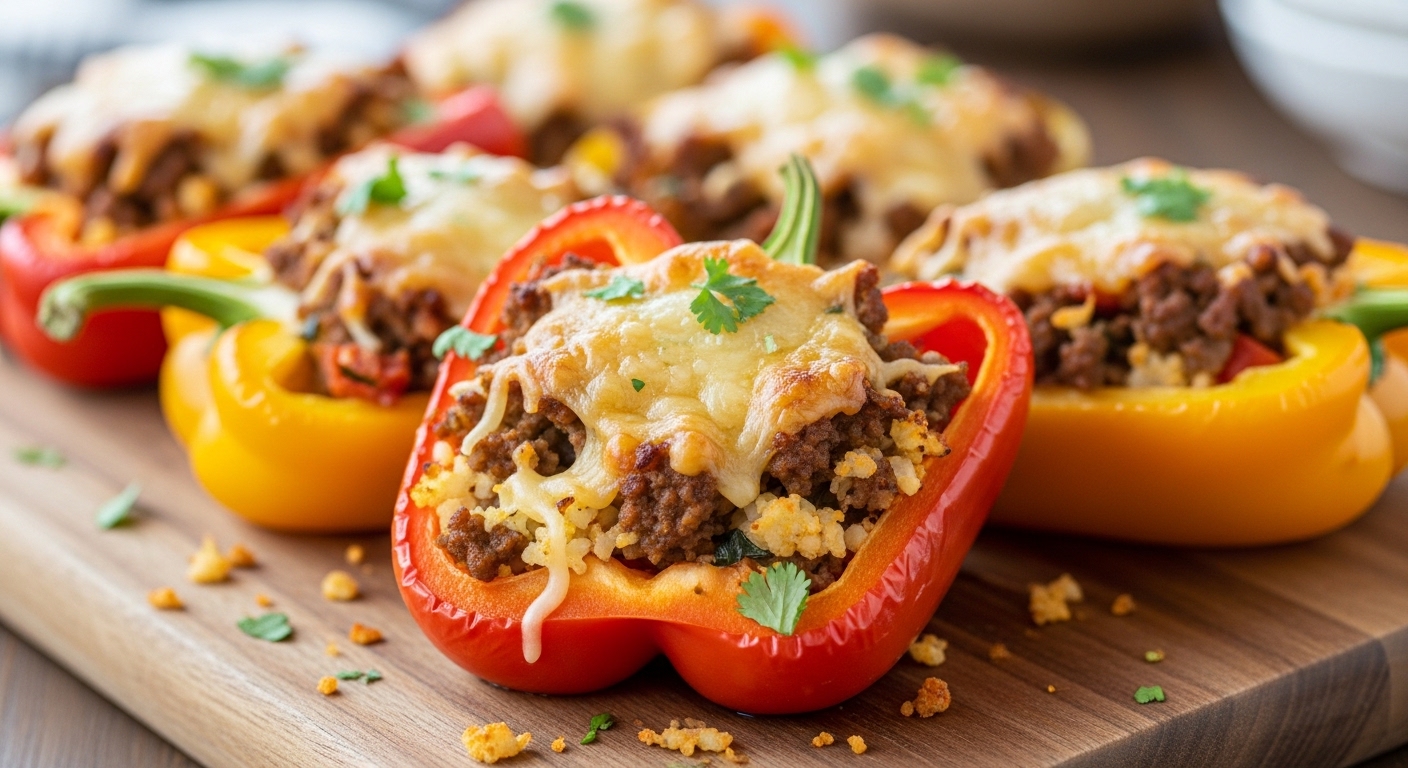
Looking for a delicious, satisfying meal that fits your keto lifestyle? Keto stuffed bell peppers are the perfect solution—a vibrant, nutrient-packed dish that’s both low in carbs and high in flavor. These colorful bell peppers are filled with a savory blend of ground meat, cheese, and aromatic herbs, all wrapped in a soft, juicy shell. Whether you’re meal prepping for the week or craving comfort food without the guilt, this keto-friendly version delivers on taste, texture, and nutrition.
Unlike traditional stuffed peppers loaded with rice or breadcrumbs, the keto variation swaps out high-carb ingredients for healthy fats and protein-rich components. This ensures your body stays in ketosis while delivering rich, satisfying flavors. With only a handful of simple ingredients, these peppers come together quickly and can be customized to suit your palate.
Why Keto Stuffed Bell Peppers Are Perfect for Your Diet
- Low in Net Carbs: One serving typically contains under 6 grams of net carbs, making it ideal for strict ketogenic diets.
- High in Fiber: Bell peppers contribute dietary fiber, supporting digestion and helping maintain stable blood sugar levels.
- Rich in Nutrients: Packed with vitamins A and C, antioxidants, and essential minerals like potassium and magnesium.
- Keto-Friendly Fillings: Ground beef, pork, or turkey combined with cheese and healthy fats keep fat intake optimal for ketosis.
The Best Ingredients for Keto Stuffed Bell Peppers
Choosing the right ingredients is key to nailing the balance of taste and macros. Start with firm, colorful bell peppers—red, yellow, or orange offer slightly sweeter profiles than green ones. For the filling, lean ground meat (like turkey or chicken) or fattier cuts (like ground beef or bison) work well depending on your fat goals. Add diced onions, garlic, and spices such as cumin, paprika, and oregano for depth. Cheese like mozzarella, cheddar, or Parmesan melts beautifully and adds creaminess without excess carbs.
To boost fat content naturally, consider mixing in cooked cauliflower rice (a common keto substitute), avocado slices, or even a spoonful of almond butter or tahini. These additions not only increase healthy fats but also enhance mouthfeel and satisfaction. Avoid tomatoes or tomato sauce if following a strict low-carb plan due to their higher sugar content—opt for tomato paste instead for concentrated flavor with fewer carbs.
Step-by-Step Instructions for Perfectly Cooked Peppers
- Preheat & Prep: Preheat your oven to 375°F (190°C). Cut the tops off the bell peppers and remove seeds and membranes thoroughly.
- Cook the Filling: In a skillet over medium heat, brown your choice of ground meat. Add chopped onion and garlic; cook until softened. Stir in spices, salt, and pepper. If using cauliflower rice, add it now and let it steam for 2–3 minutes until tender.
- Stuff the Peppers: Transfer the filling mixture into each hollowed pepper. Top generously with shredded cheese.
- Bake Until Tender: Place stuffed peppers upright in a baking dish lined with foil or parchment. Bake for 30–40 minutes, or until the peppers are fork-tender and the cheese is golden brown.
- Rest & Serve: Let rest for 5 minutes before serving. Garnish with fresh herbs like parsley or cilantro for a burst of color and freshness.
Customization Ideas to Keep Things Exciting
One of the best things about keto stuffed bell peppers is how easily they can be adapted. Swap meats based on preference—try ground lamb with mint and feta, or shrimp with spinach and sun-dried tomatoes (using olive oil as the base). For extra crunch, sprinkle crushed pork rinds or almond flakes over the top before baking. Those watching sodium intake can reduce added salt and use low-sodium broth to deglaze the pan during cooking.
Vegetarians can enjoy a plant-based version by replacing meat with sautéed mushrooms, lentils (in moderation), or textured vegetable protein (TVP). Just ensure total carb count remains within your daily allowance. For a dairy-free option, skip cheese or use nutritional yeast for a cheesy flavor without lactose.
Pairing Suggestions for a Complete Keto Meal
Served alongside a side salad with olive oil dressing or a dollop of Greek yogurt (unsweetened), keto stuffed bell peppers make a balanced dinner. You can also pair them with a warm bowl of zucchini noodles or roasted Brussels sprouts. For a heartier experience, add a fried egg on top once the peppers come out of the oven—this boosts protein and adds richness.
If you’re hosting guests, these peppers look impressive and require minimal hands-on prep, making them great for entertaining. They reheat beautifully in the microwave or oven, so leftovers are always welcome.
Key Takeaways
- Keto stuffed bell peppers are a delicious, low-carb alternative to classic stuffed peppers.
- They’re rich in fiber, healthy fats, and essential nutrients while keeping net carbs low.
- Customizable fillings allow for endless flavor combinations—from meaty to vegetarian.
- Simple preparation makes them ideal for weeknight dinners or batch cooking.
- With proper ingredient selection, they fit seamlessly into any ketogenic or low-carb lifestyle.
Frequently Asked Questions (FAQ)
Can I use frozen peppers for keto stuffed bell peppers?
Yes, but thaw and pat dry first to prevent excess moisture from making the peppers soggy. Roasting them briefly on a baking sheet at 400°F for 10 minutes before stuffing can help crisp them up.
Are there gluten-free alternatives for the filling?
Absolutely. Most keto stuffed bell pepper recipes are naturally gluten-free if you avoid processed seasonings or breadcrumbs. Always check labels to confirm no hidden gluten-containing additives are present.
How long do leftovers last, and how should I store them?
Store cooled stuffed peppers in an airtight container in the refrigerator for up to 4 days. Reheat gently in the oven at 350°F for 15–20 minutes to preserve texture and prevent drying out.
Whether you’re new to keto or a seasoned pro, keto stuffed bell peppers offer a tasty, flexible way to enjoy wholesome meals without compromising flavor. With just a few quality ingredients and a little creativity, you can transform a humble vegetable into a restaurant-worthy dish that keeps you energized and satisfied.
Leave a Reply