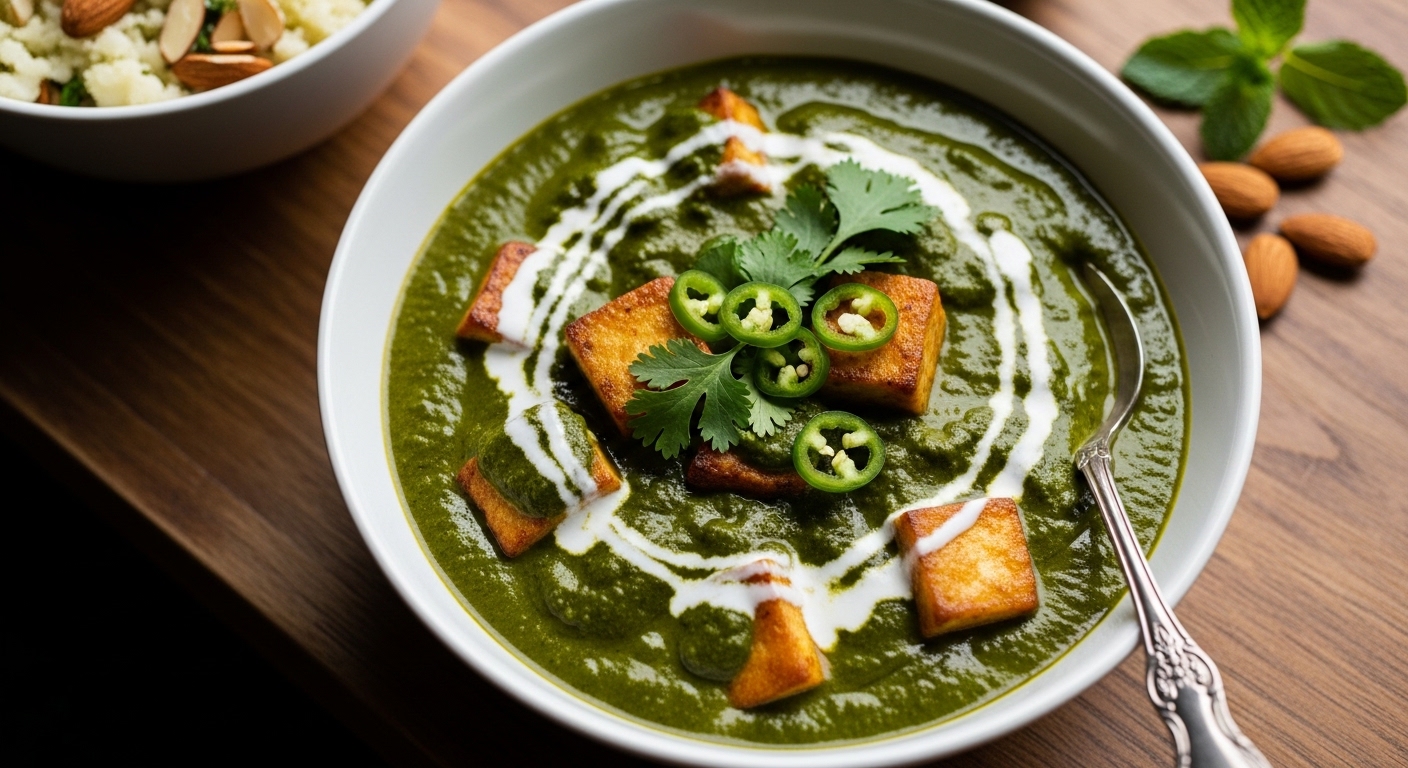
If you’re a fan of rich, comforting Indian curries but want to stay true to your keto lifestyle, keto palak paneer is the answer. This creamy spinach and cheese curry, traditionally made with paneer (Indian cottage cheese), gets a low-carb makeover without sacrificing flavor or texture. By swapping high-carb ingredients for keto-friendly alternatives—like using heavy cream instead of milk and focusing on healthy fats—you can enjoy this beloved dish while keeping your macros in check. Whether you’re meal prepping for the week or craving something indulgent yet guilt-free, this version delivers all the bold spices and velvety richness you love.
What Makes Keto Palak Paneer Different?
Traditional palak paneer relies heavily on dairy like milk and yogurt, which can spike blood sugar due to lactose content. In a keto palak paneer recipe, we eliminate these carbs by replacing them with heavy whipping cream and incorporating ghee or avocado oil for cooking. Paneer itself is naturally low in carbs when portioned correctly, making it an ideal protein source for ketosis. The result? A luscious, restaurant-style curry that’s under 8–10 grams net carbs per serving.
Beyond ingredient swaps, the cooking method also matters. Slow-cooking fresh spinach with aromatic spices ensures deep flavor development while preserving nutrients. Garam masala, cumin, turmeric, and ginger add warmth without added sugars or thickeners commonly found in store-bought versions. This attention to detail transforms a simple side into a satisfying main course perfect for anyone following a ketogenic diet.
Key Ingredients for Perfect Keto Palak Paneer
- Paneer (Indian Cottage Cheese): Choose firm, unsalted paneer blocks. Each 100g provides about 18g protein and only 2g net carbs—ideal for keto.
- Fresh Spinach: Rich in iron and fiber, spinach forms the base of this curry. Opt for baby spinach for quicker cooking and smoother texture.
- Heavy Whipping Cream: Adds richness and creaminess without lactose-heavy milk. Look for unsweetened varieties with minimal additives.
- Ghee or Avocado Oil: High smoke point oils ensure even browning and prevent oxidation of healthy fats.
- Spices: Use whole or ground garam masala, cumin powder, turmeric, and fresh ginger for authentic flavor.
Optional additions include cashew paste (blended soaked cashews) for extra creaminess or coconut milk for a subtle tropical twist—both remain keto-compliant if used sparingly.
Step-by-Step Cooking Instructions
Preparation Phase
- Rinse and chop 500g fresh spinach leaves thoroughly. Squeeze out excess water if needed.
- Dice 200g paneer into 1-inch cubes and lightly pan-fry until golden brown on both sides. Set aside.
- Mince 1 inch ginger and finely chop green chilies (adjust to taste).
Cooking the Curry Base
- In a large skillet, heat 2 tbsp ghee over medium heat. Add cumin seeds and let them sizzle for 30 seconds.
- Add minced ginger and green chilies; sauté for another minute until fragrant.
- Pour in heavy cream and bring to a gentle simmer. Stir in turmeric and salt to taste.
- Add spinach gradually, stirring constantly until wilted. Cook covered for 5–7 minutes until tender.
Finishing Touches
- Using an immersion blender or transferring to a regular blender, puree the spinach mixture until smooth.
- Return the puree to the skillet, add garam masala, and simmer for 3–4 minutes to meld flavors.
- Gently fold in pan-seared paneer cubes. Cook uncovered for 2 more minutes.
- Serve hot garnished with chopped cilantro and a dollop of plain Greek yogurt (optional, adds tang).
Why Keto Palak Paneer Belongs on Your Plate
This dish isn’t just about carb counting—it’s about cultural appreciation with nutritional awareness. Indian cuisine offers countless plant-forward meals rich in fiber and antioxidants, many of which can be adapted for ketogenic diets. By embracing ingredients like spinach, nuts, and healthy fats, you honor tradition while supporting metabolic health.
Moreover, satisfying cravings doesn’t mean compromising goals. With careful planning, even indulgent foods like palak paneer can fit seamlessly into a keto plan. The key lies in mindful substitutions and portion control—especially since paneer, though delicious, contains moderate fat and calories.
Tips for Success and Customization
- Paneer Storage: Keep homemade paneer refrigerated for up to 3 days or freeze in portions for longer use.
- Vegan Option: Replace paneer with tofu or tempeh and use coconut cream instead of dairy.
- Low-Sodium Version: Skip added salt and rely on lemon juice or amchur (dry mango powder) for acidity.
- Meal Prep Friendly: Cook the sauce ahead of time and reheat before adding fresh paneer to retain texture.
For those watching sodium intake, opt for no-salt-added heavy cream and use Himalayan pink salt or potassium chloride as substitutes.
Key Takeaways
- Keto palak paneer replaces high-carb dairy with heavy cream and healthy fats to maintain ketosis.
- Pureeing cooked spinach creates a silky texture without relying on starch-thickeners.
- Pan-searing paneer enhances mouthfeel and prevents mushiness during reheating.
- Spices provide depth without added sugars—stick to traditional blends for best results.
- Portion size matters: aim for ½ cup paneer and 2 cups spinach per serving to stay within 8–10g net carbs.
Frequently Asked Questions
Can I make keto palak paneer ahead of time?
Yes! The sauce can be stored in an airtight container for up to 4 days. Reheat gently on the stove before adding paneer, as frozen paneer may become rubbery.
Is paneer safe for ketogenic diets?
Absolutely. One ounce (about 28g) of paneer contains only 1g net carb, making it an excellent source of complete protein and calcium without disrupting ketosis.
Can I substitute spinach with other greens?
While spinach is traditional, you can use kale or Swiss chard in moderation. Note that thicker greens may require longer cooking times and yield a less smooth consistency.