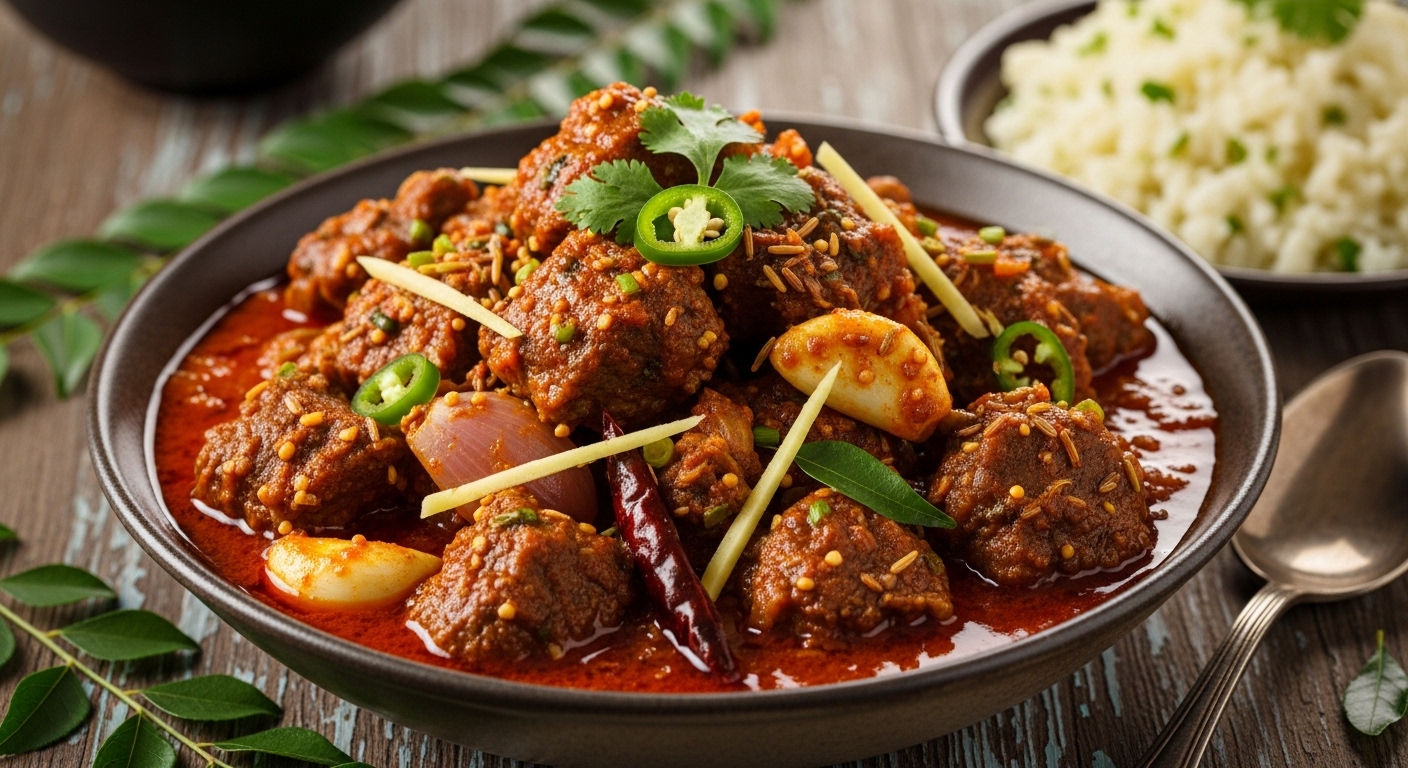
Is there a way to enjoy the bold, aromatic flavors of traditional mutton curry without straying from your ketogenic lifestyle? Absolutely. Keto Mutton Curry delivers deep, savory richness with zero guilt—packed with healthy fats, high-quality protein, and complex spices, all while keeping net carbs minimal. This dish transforms a beloved comfort food into a keto-friendly masterpiece that satisfies both your palate and your macros.
Whether you’re meal-prepping for the week or impressing guests with a restaurant-worthy Indian-inspired main, this recipe is your go-to solution. It’s not just about cutting carbs—it’s about elevating flavor in a way that honors tradition, yet fits perfectly within a low-carb framework.
Why Keto Mutton Curry Works on the Ketogenic Diet
Mutton, or goat meat, is naturally rich in protein and saturated fats—both essential components of a well-formulated ketogenic diet. When paired with aromatic spices and cooked in ghee or coconut oil, this curry becomes an ideal source of sustained energy and satiety.
Unlike many traditional curry recipes that rely heavily on onions, garlic, and rice—all carb-heavy ingredients—this keto version uses smart substitutions and strategic seasoning to maintain authenticity without compromising your ketosis goals.
Key Nutritional Benefits
- High in healthy fats: From coconut oil, ghee, and mutton fat content.
- Rich in protein: Supports muscle repair and metabolic function.
- Low in net carbs: Typically under 5g per serving when prepared correctly.
- Packed with antioxidants: Turmeric, cumin, and black pepper offer anti-inflammatory benefits.
Essential Ingredients for Authentic Keto Mutton Curry
To achieve the perfect balance of flavor and ketogenic compliance, choose quality ingredients. Here’s what you’ll need:
– 1 kg mutton (preferably shoulder or leg), cut into chunks – Opt for grass-fed, pasture-raised mutton for higher omega-3s and cleaner fats.
– 3 tbsp coconut oil or ghee – For high-heat cooking and rich mouthfeel.
– 2 large onions (substitute: 2 cups finely diced green zucchini or cauliflower for lower carbs) – Onions are optional; use sparingly or swap with low-carb alternatives.
– 4 cloves garlic (minced) and 1 inch ginger (grated) – Use fresh for maximum aroma.
– 2 large tomatoes (blended into a puree) – Adds natural sweetness and depth.
– Spice blend:
– 1 tsp turmeric powder
– 1 tbsp coriander powder
– 1 tsp cumin powder
– 1 tsp garam masala
– ½ tsp red chili powder (adjust to taste)
– 1 tsp black pepper
– 1 tsp fennel seeds (optional, aids digestion)
– 1 cup water or bone broth – For consistent simmering.
– Fresh cilantro and mint for garnish – Adds brightness and freshness.
Step-by-Step Cooking Instructions
Follow these simple steps to create a deeply flavorful keto mutton curry that rivals any non-keto version.
- Marinate the mutton: In a bowl, toss mutton pieces with 1 tsp salt, ½ tsp black pepper, and 1 tbsp lemon juice. Let it rest for 30 minutes. This tenderizes the meat and enhances flavor absorption.
- Sear the mutton: Heat coconut oil or ghee in a heavy-bottomed pot over medium-high heat. Add mutton pieces and sear until browned on all sides. Remove and set aside.
- Prepare the base: In the same pot, add more oil if needed. Sauté onions (or zucchini/cauliflower substitute) until golden. Add garlic and ginger, cook for 1 minute until fragrant.
- Add spices: Stir in turmeric, coriander, cumin, and chili powder. Fry for 30 seconds to bloom the flavors—this unlocks their full aroma.
- Blend and cook: Add tomato puree and cook until oil separates from the mixture (about 5 minutes). Return seared mutton to the pot.
- Simmer gently: Pour in water or broth, cover, and simmer on low heat for 1 to 1.5 hours, stirring occasionally, until mutton is fork-tender.
- Finish with garam masala: Sprinkle in garam masala during the last 5 minutes of cooking. Taste and adjust salt and spice levels.
- Garnish and serve: Stir in fresh cilantro and mint. Serve hot with cauliflower rice, zucchini noodles, or simply on its own.
Serving Suggestions & Keto-Friendly Pairings
This keto mutton curry shines as a standalone dish, but pairing it with the right sides elevates the experience. Avoid traditional rice or naan—opt instead for:
– Cauliflower rice: Light, fluffy, and virtually carb-free.
– Zucchini noodles (zoodles): Mild in flavor and great for soaking up sauce.
– Avocado slices: Adds creamy texture and healthy monounsaturated fats.
– Steamed spinach or sautéed kale: Boosts fiber and micronutrients without carbs.
For a complete low-carb feast, serve with a side of cucumber raita made with Greek yogurt (full-fat, unsweetened) and a sprinkle of mint.
Key Takeaways
- Keto Mutton Curry is a protein-rich, low-carb adaptation of a classic Indian dish.
- It uses healthy fats like coconut oil and ghee to enhance flavor and support ketosis.
- Traditional onions can be reduced or replaced with low-carb vegetables like cauliflower.
- The spice blend offers anti-inflammatory benefits and deepens the dish’s complexity.
- Perfect for meal prep—the flavor intensifies over time.
Frequently Asked Questions (FAQ)
Can I use beef instead of mutton for keto curry?
Yes, beef can be substituted, but mutton has a richer, more tender texture and higher fat content, which enhances the creamy consistency of the curry. Beef may require longer cooking time and slightly less fat to avoid greasiness.
How long does keto mutton curry last in the fridge?
Store in an airtight container in the refrigerator for up to 4 days. Reheat gently on the stove with a splash of water or broth to restore moisture. The flavors often deepen after refrigeration.
Is it safe to eat mutton regularly on a ketogenic diet?
Mutton can be part of a balanced keto diet when consumed in moderation. It’s high in protein and healthy fats but also contains purines, so individuals with kidney issues should monitor intake. Choose organic, pasture-raised options for fewer hormones and antibiotics.
By embracing the bold essence of mutton curry through a ketogenic lens, you don’t have to sacrifice flavor for fitness. This keto mutton curry proves that low-carb living can be indulgent, nutritious, and deeply satisfying.