Haddock and Chips: A Timeless British Classic You Can Make at Home
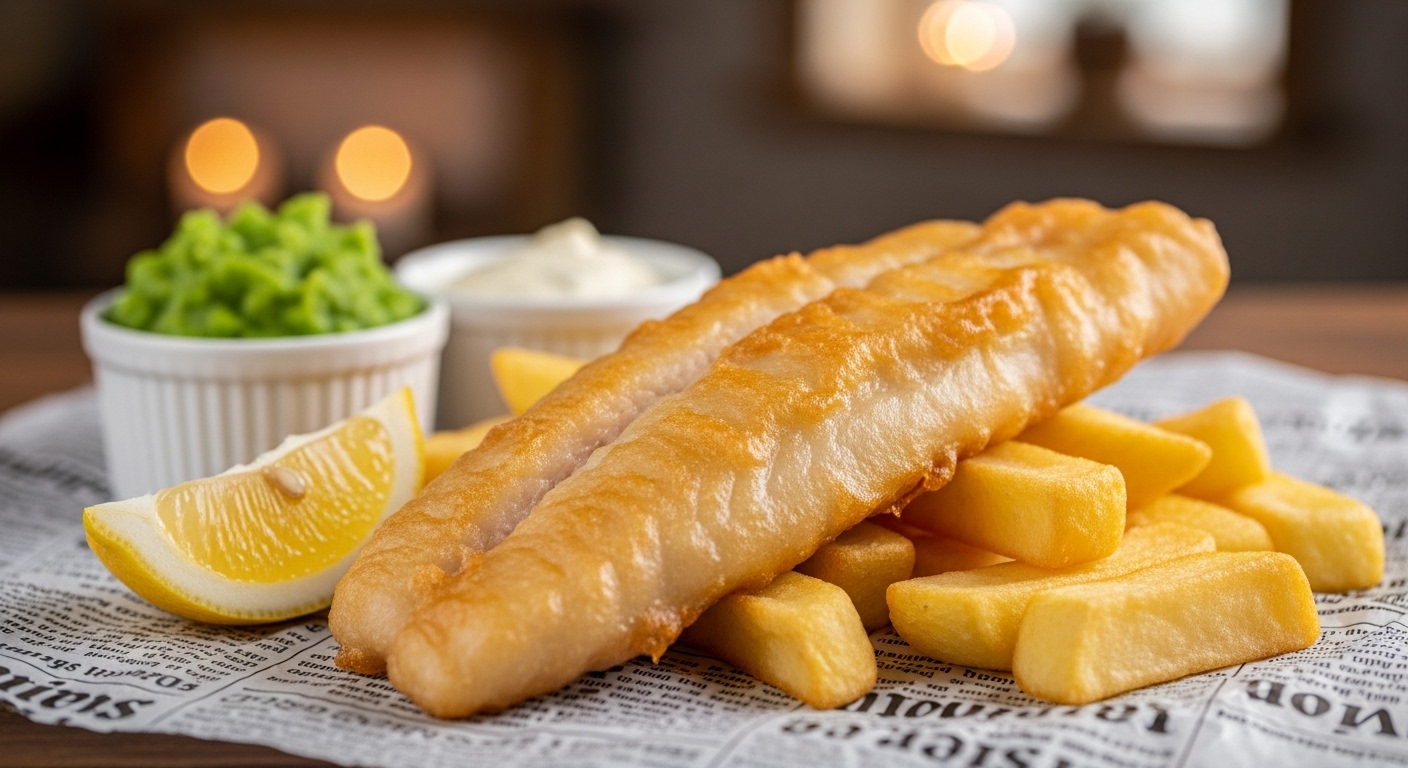
Imagine sinking your fork into a perfectly golden, crispy potato chip, pairing it with tender chunks of haddock bathed in a rich, creamy sauce—warm, comforting, and utterly satisfying. That’s the magic of haddock and chips, a beloved British dish that has graced fish counters, pub menus, and home kitchens for generations. Whether you’re craving a nostalgic taste of seaside holidays or looking to impress guests with a restaurant-quality meal, making haddock and chips from scratch is easier than you think.
This iconic combination isn’t just about tradition—it’s about flavor, texture, and comfort all rolled into one plate. Haddock, known for its mild, slightly sweet taste and firm white flesh, pairs beautifully with thick-cut fries, while a classic parsley sauce or mushy peas elevate the dish to something truly special. In this guide, we’ll walk you through an authentic recipe that captures the essence of British pub food—without leaving your kitchen.
Why Haddock and Chips Deserve a Spot on Your Dinner Table
The story of haddock and chips dates back to the 19th century, when fish and chips became a staple of working-class Britain. Originally sold from street-side carts, this affordable, hearty meal quickly gained popularity across the UK and beyond. Today, it remains a symbol of comfort eating, especially during cold weather or festive occasions like Christmas.
What makes this dish so enduring? It’s simple: great ingredients, bold flavors, and soul-warming warmth. Haddock, a sustainable North Atlantic cod relative, offers a delicate flavor that doesn’t overpower, making it ideal for both seasoned seafood lovers and curious newbies. When combined with crispy, salty chips and a touch of tangy tartare sauce or creamy sauce, every bite feels like a celebration.
Plus, cooking haddock and chips at home gives you full control over quality and seasoning. No more worrying about stale batter or limp fries—just fresh, delicious results every time.
Quick Recipe Summary
- Prep Time: 20 minutes
- Cook Time: 35–40 minutes
- Total Time: 55–60 minutes
- Servings: 4
- Cuisine: British
- Course: Main Dish
- Calories (approx.): 680 per serving (with sauce)
Ingredients You’ll Need for Perfect Haddock and Chips
Gather these high-quality ingredients before you begin. Authenticity starts with the right components:
For the Fish Cakes (or Pan-Fried Haddock):
- 800g (about 3 whole fillets) fresh or thawed haddock fillets, skin removed
- 2 large eggs, beaten
- 50g plain flour, plus extra for dusting
- 100g breadcrumbs (use panko for extra crunch)
- 1 tsp salt, plus more to taste
- ½ tsp black pepper
- 1 tbsp olive oil or vegetable oil for frying
- Pinch of cayenne pepper (optional, for heat)
For the Creamy Parsley Sauce:
- 1 tbsp butter
- 1 tbsp plain flour
- 300ml milk (whole milk preferred)
- Handful of fresh flat-leaf parsley, finely chopped
- Salt and white pepper to taste
For the Chips:
- 800g Maris Piper or King Edward potatoes, peeled and cut into thick chips (about 2cm x 2cm)
- Vegetable oil for deep frying
- Salt to taste
Optional Extras:
- Mushy peas (store-bought or homemade)
- Tartare sauce or malt vinegar
Step-by-Step Instructions: How to Cook Haddock and Chips Like a Pro
Follow these steps carefully to achieve restaurant-quality results at home.
- Prepare the Chips First: Place the cut potatoes in a bowl of cold water to remove excess starch. Bring a large pot of water to a boil and blanch the chips for 5 minutes—this helps them crisp up later. Drain and pat dry thoroughly.
- Heat Oil for Frying: Fill a deep pan or Dutch oven with about 5cm of vegetable oil. Heat to 170°C (340°F). Use a thermometer if possible; temperature is key for crispy chips.
- Cook the Chips in Two Stages: Fry the blanched chips for 4–5 minutes until soft but not browned. Remove and drain on paper towels. Increase oil temperature to 190°C (375°F). Fry again for 3–4 minutes until golden and crisp. Season immediately with salt.
- Season and Coat the Haddock: Pat the haddock fillets dry. Season both sides with salt, pepper, and a pinch of cayenne if using. Lightly dust with flour.
- Pan-Fry the Haddock: Heat the oil in a non-stick skillet over medium-high heat. Add the fish and cook for 3–4 minutes per side until opaque and flaky. Avoid overcrowding the pan.
- Make the Parsley Sauce: In a saucepan, melt butter over low heat. Stir in flour and cook for 1 minute to make a roux. Gradually whisk in milk until smooth. Simmer gently for 5 minutes, stirring constantly, until thickened. Remove from heat and stir in parsley. Season with salt and white pepper.
- Assemble and Serve: Plate the hot chips, top with pan-fried haddock, drizzle with warm parsley sauce, and serve with mushy peas and extra sauce on the side.
Chef Tips for Best Results
- Use cold, starchy potatoes like Maris Piper—they hold their shape and crisp better than waxy varieties.
- Never skip the double fry for chips: it ensures they’re fluffy inside and crunchy outside.
- Let the haddock rest for 2–3 minutes after cooking—this keeps it juicy when served.
- Freshly chopped parsley makes a huge difference in flavor—avoid pre-packaged herbs.
Common Mistakes to Avoid
- Overcrowding the pan when frying—this lowers oil temperature and causes soggy fish.
- Skipping the flour coating—it helps the breadcrumbs stick and creates a better crust.
- Using too much salt before frying—it draws moisture out and weakens the batter.
- Frying chips only once—they’ll be doughy instead of crisp.
Ingredient Substitutions and Variations
Want to put your own spin on this classic? Here are some tasty alternatives:
- Fish Options: Swap haddock for cod, pollock, or even smoked haddock for a richer flavor.
- Batter Version: For authentic British fish and chips, try a light beer batter instead of breadcrumb coating.
- Vegan/Vegetarian: Use king oyster mushrooms or tofu steaks coated in chickpea flour batter—perfect for plant-based versions.
- Indian Twist: Add turmeric, garam masala, and coconut milk to the sauce for a curry-inspired haddock and chips.
- Healthier Option: Bake the chips at 200°C (400°F) for 25–30 minutes instead of frying. Air-fryer works wonders too!
Serving Suggestions
Traditionally, haddock and chips are served with:
- Mushy peas (mashed green peas with butter and vinegar)
- Tartare sauce (mayonnaise, capers, gherkins, and lemon juice)
- Malt vinegar for a sharp kick
- Pickled onions or lemon wedges
For a festive touch, wrap everything in parchment paper and serve in a paper cone like a real fishmonger would—complete with newspaper lining for authenticity.
Storage and Reheating Instructions
While best enjoyed fresh, leftovers can be safely stored:
- Keep cooked chips in an airtight container in the fridge for up to 2 days.
- Store haddock separately to prevent sogginess—wrap in foil or place in a sealed container.
- Reheat chips in a preheated oven at 200°C (400°F) for 10–12 minutes to restore crispness. Avoid microwaving.
- Warm the parsley sauce gently on the stove—never boil, or it may curdle.
Nutrition Facts (Approximate Per Serving)
- Calories: 680 kcal
- Protein: 38g
- Carbohydrates: 62g
- Fat: 28g
- Fiber: 4g
- Sugar: 6g
- Sodium: 850mg
*Values based on average estimates. Actual numbers vary depending on oil used and portion size.
FAQs About Haddock and Chips
1. Is haddock the same as cod?
No, though they’re related, haddock has a firmer texture, whiter flesh, and a slightly milder taste. Both work well in fish and chips, but haddock is preferred in traditional recipes.
2. Can I use frozen haddock?
Yes! Just thaw it completely in the fridge overnight or under cold running water. Pat dry thoroughly before cooking—excess moisture prevents browning.
3. Why do my chips turn out greasy?
It’s usually due to incorrect oil temperature or overcrowding. Make sure the oil reaches 190°C before adding chips, and don’t add more than one layer at a time.
4. What’s the difference between mushy peas and regular peas?
Mushy peas are made by mashing canned or fresh peas with water, butter, and a splash of vinegar or lemon juice. They have a soft, velvety texture and tangy flavor—perfect alongside fried fish.
5. Can I bake haddock instead of frying?
Absolutely! Brush the fish with oil, season it, and bake at 200°C (400°F) for 15–20 minutes. It won’t be as crispy as fried haddock, but it’s healthier and still delicious.
Key Takeaways
- Haddock and chips is a timeless British dish combining crispy fries with tender pan-fried haddock and a creamy parsley sauce.
- Proper technique—like double-frying chips and using fresh ingredients—makes all the difference.
- Customize with substitutions like vegan options or Indian spices to suit your taste.
- Serve with mushy peas and tartare sauce for an authentic experience.
- Leftovers can be reheated carefully, though best enjoyed fresh.
Conclusion: Bring Comfort Food Magic Home
There’s something deeply comforting about a plate piled high with golden chips and flaky haddock swimming in savory sauce. It’s more than just a meal—it’s a taste of tradition, resilience, and joy baked into every forkful. With this recipe, you’ve got everything you need to recreate that magic in your own kitchen.
So roll up your sleeves, fire up the stove, and treat yourself to a proper British feast. Whether it’s for a cozy family dinner or a themed movie night, haddock and chips never fails to deliver warmth, flavor, and satisfaction. Now go ahead—your taste buds will thank you!