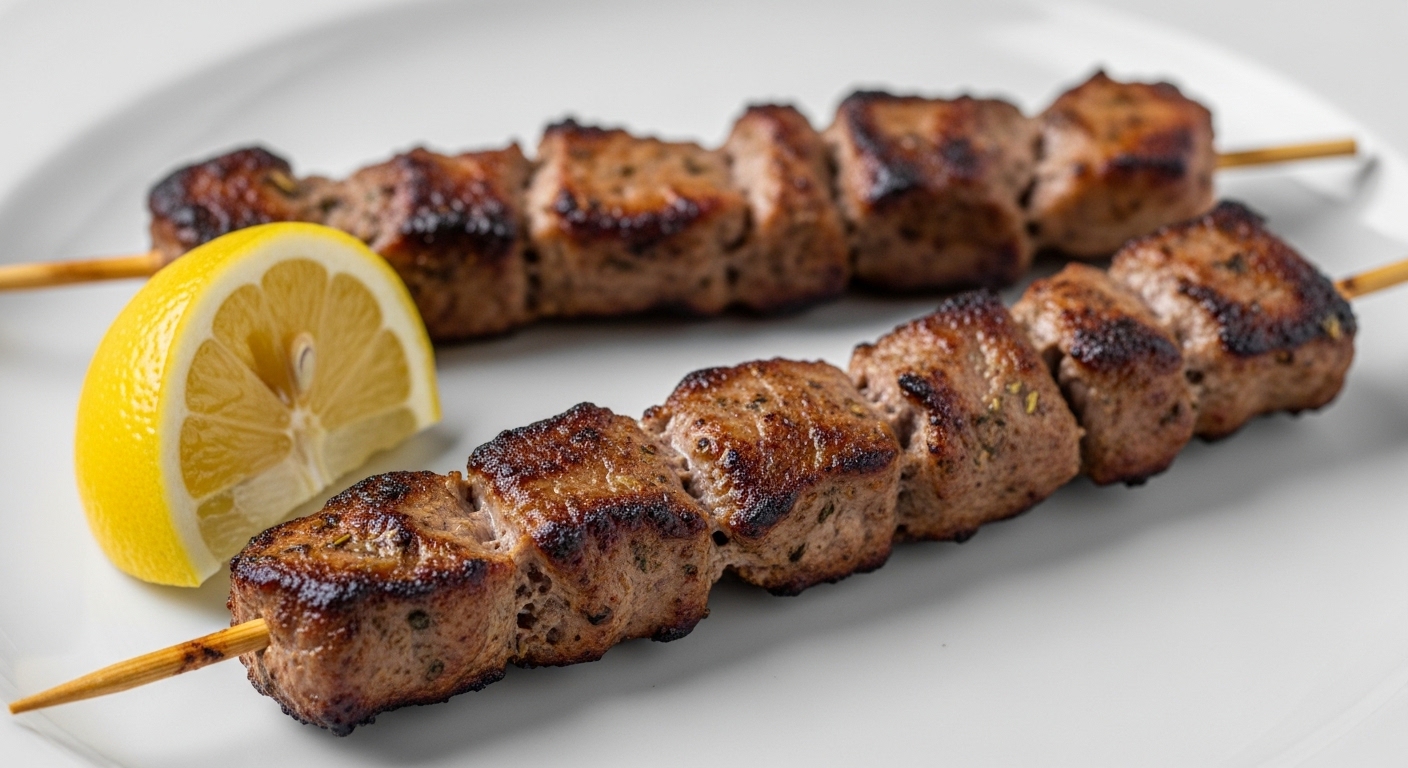
Imagine tender, juicy pieces of marinated meat grilled to smoky perfection, served over a bed of warm pita or rice, topped with crisp vegetables, tangy tzatziki, and a sprinkle of feta cheese. That’s the magic of a Greek souvlaki plate—a beloved Mediterranean dish that brings the vibrant flavors of Greece straight to your plate. Whether you’re a seasoned food lover or just discovering Greek cuisine, this dish delivers bold taste, satisfying textures, and a wholesome balance that keeps people coming back for more.
Originating from the word souvlaki, which means “little skewer” in Greek, this dish has humble street-food roots but has evolved into a restaurant favorite and home-cooked staple. The Greek souvlaki plate is more than just grilled meat—it’s a complete meal that celebrates fresh ingredients, simple techniques, and Mediterranean hospitality. From bustling tavernas in Athens to backyard BBQs in the U.S., this dish is a global favorite for good reason: it’s delicious, customizable, and deeply satisfying.
Why the Greek Souvlaki Plate Is So Popular
The Greek souvlaki plate stands out for its perfect harmony of flavors and textures. The star of the dish—marinated chicken, pork, or lamb—is skewered and grilled, locking in moisture while developing a delicious char. Paired with fresh vegetables like tomatoes, red onions, and bell peppers, and drizzled with creamy tzatziki sauce, every bite is a burst of Mediterranean freshness.
What makes it even more appealing is its versatility. Whether you’re serving it for a quick weeknight dinner, a weekend gathering, or meal prepping for the week, the Greek souvlaki plate adapts beautifully. It’s also naturally gluten-free (with the right substitutions), high in protein, and packed with flavor—no heavy sauces or processed ingredients needed.
Beyond taste, the dish carries cultural significance. In Greece, souvlaki is more than food—it’s a social experience. Friends gather around shared plates, sipping ouzo or wine, laughing, and enjoying the moment. Bringing this dish into your kitchen is like inviting a piece of Greek tradition into your home.
Quick Recipe Summary
| Prep Time | 20 minutes |
|---|---|
| Cook Time | 15 minutes |
| Total Time | 35 minutes |
| Servings | 4 |
| Cuisine | Mediterranean / Greek |
| Course | Main Course |
| Calories (approx.) | 480 per serving |
Ingredients You’ll Need
For the best Greek souvlaki plate, quality ingredients make all the difference. Here’s what you’ll need for a classic version:
For the Souvlaki Skewers:
- 1.5 lbs (680g) boneless chicken thighs (or pork shoulder), cut into 1.5-inch cubes
- 3 tbsp extra virgin olive oil
- 3 tbsp fresh lemon juice
- 3 garlic cloves, minced
- 1 tsp dried oregano
- 1 tsp smoked paprika
- 1/2 tsp black pepper
- 1/2 tsp salt
- 1/4 tsp red pepper flakes (optional, for heat)
For the Tzatziki Sauce:
- 1 cup Greek yogurt (full-fat for creaminess)
- 1/2 cucumber, grated and squeezed dry
- 1 garlic clove, minced
- 1 tbsp fresh dill, chopped
- 1 tbsp lemon juice
- Salt and pepper to taste
For the Plate Assembly:
- 4 small pita breads or 2 cups cooked rice (optional)
- 1 cup cherry tomatoes, halved
- 1/2 red onion, thinly sliced
- 1/2 green bell pepper, sliced
- 1/4 cup crumbled feta cheese
- Fresh parsley or dill for garnish
- Lemon wedges for serving
Step-by-Step Cooking Instructions
Follow these simple steps to create an authentic Greek souvlaki plate at home:
Step 1: Marinate the Meat
In a medium bowl, combine olive oil, lemon juice, minced garlic, oregano, paprika, salt, pepper, and red pepper flakes. Add the cubed chicken or pork and toss to coat evenly. Cover and refrigerate for at least 30 minutes—or up to 4 hours for deeper flavor.
Step 2: Prepare the Tzatziki
While the meat marinates, make the tzatziki. Grate the cucumber, then squeeze out excess moisture using a clean kitchen towel. In a bowl, mix the cucumber with Greek yogurt, garlic, dill, lemon juice, salt, and pepper. Chill until ready to serve.
Step 3: Assemble the Skewers
Thread the marinated meat onto metal or soaked wooden skewers, leaving a little space between each piece for even cooking.
Step 4: Grill the Souvlaki
Preheat a grill or grill pan over medium-high heat. Lightly oil the grates. Cook the skewers for 3–4 minutes per side, or until the meat is golden brown and reaches an internal temperature of 165°F (74°C) for chicken or 145°F (63°C) for pork. Avoid overcooking to keep the meat tender.
Step 5: Warm the Pita
While the meat cooks, warm the pita bread on the grill or in a dry skillet for 30 seconds per side. This enhances the texture and makes it easier to wrap or serve.
Step 6: Assemble the Plate
Slice the grilled souvlaki off the skewers. Serve over warm pita or rice. Top with cherry tomatoes, red onion, bell pepper, feta cheese, and a generous dollop of tzatziki. Garnish with fresh herbs and serve with lemon wedges.
Chef Tips for the Best Results
- Use chicken thighs: They’re juicier and more flavorful than breast, especially when grilled.
- Don’t skip the marinade: Even 30 minutes makes a big difference in flavor and tenderness.
- Grill hot and fast: High heat creates a nice char without drying out the meat.
- Squeeze the cucumber well: Excess water in tzatziki can make it runny.
- Toast the pita: A light char adds a smoky depth that complements the souvlaki.
Common Mistakes to Avoid
- Over-marinating: While marinating is key, leaving meat in acidic marinades (like lemon juice) for more than 4 hours can make it mushy.
- Crowding the skewers: Overloading skewers leads to uneven cooking. Leave space between pieces.
- Skipping the resting time: Let the meat rest for 5 minutes after grilling to retain juices.
- Using low-fat yogurt: It lacks the creaminess needed for authentic tzatziki.
Ingredient Substitutions & Variations
Make the Greek souvlaki plate your own with these swaps:
Protein Options:
- Lamb: Traditional and rich in flavor—perfect for a more authentic taste.
- Beef: Use sirloin or flank steak, cut into cubes.
- Vegetarian: Try marinated mushrooms, zucchini, bell peppers, or halloumi cheese on skewers.
- Vegan: Use tofu or tempeh, and substitute dairy yogurt with coconut or almond-based yogurt in tzatziki.
Gluten-Free Option:
- Serve over rice or quinoa instead of pita. Ensure your pita is certified gluten-free if needed.
Healthier Version:
- Use lean chicken breast (though thighs are preferred for moisture).
- Reduce oil in the marinade slightly and increase lemon juice for brightness.
- Add extra vegetables like grilled zucchini or eggplant to the plate.
Serving Suggestions
The Greek souvlaki plate shines as a standalone meal, but it pairs beautifully with:
- A simple Greek salad with olives and capers
- Grilled halloumi cheese on the side
- Hummus and warm pita for dipping
- A glass of crisp white wine or a cold beer
For a festive touch, serve family-style on a large platter with all components arranged together—perfect for sharing.
Storage & Reheating Instructions
Storage: Store leftover souvlaki and tzatziki separately in airtight containers in the refrigerator for up to 3 days.
Reheating: Gently reheat the meat in a skillet over medium heat with a splash of water or broth to prevent drying. Alternatively, use a microwave for 1–2 minutes. Serve with fresh pita and tzatziki.
Freezing: Cooked souvlaki freezes well for up to 2 months. Thaw in the fridge overnight before reheating.
Nutrition Facts (Approximate per Serving)
- Calories: 480
- Protein: 38g
- Carbohydrates: 28g
- Fat: 24g (Saturated: 7g)
- Fiber: 3g
- Sugar: 6g
- Sodium: 620mg
Note: Values may vary based on ingredients and portion sizes.
Key Takeaways
- The Greek souvlaki plate is a flavorful, balanced meal rooted in Mediterranean tradition.
- Marinated meat, grilled to perfection, is the heart of the dish.
- Tzatziki sauce, fresh vegetables, and feta complete the plate with brightness and creaminess.
- It’s highly customizable—great for vegetarians, vegans, and gluten-free diets.
- Perfect for weeknight dinners, meal prep, or entertaining guests.
Frequently Asked Questions (FAQs)
1. Can I make souvlaki without a grill?
Absolutely! Use a grill pan, stovetop skillet, or even bake the skewers in the oven at 400°F (200°C) for 12–15 minutes, turning halfway. The key is high heat for a good sear.
2. What’s the difference between souvlaki and gyros?
Souvlaki refers to skewered and grilled meat, while gyros are made from stacked, rotisserie-cooked meat shaved off and served in pita. Both are Greek, but souvlaki is typically chunkier and grilled fresh.
3. Can I use chicken breast instead of thighs?
Yes, but chicken breast dries out more easily. To prevent this, marinate well, don’t overcook, and consider brining the breast for 30 minutes before marinating.
4. How long can I marinate the meat?
30 minutes is sufficient, but up to 4 hours is ideal. Avoid marinating longer than 4 hours, especially with acidic ingredients like lemon juice.
5. Is tzatziki necessary?
While not mandatory, tzatziki is a signature element of the Greek souvlaki plate. It adds creaminess, coolness, and a garlicky tang that balances the grilled meat. If you don’t have it, a simple yogurt-lemon dip works in a pinch.
Conclusion: Bring Greece to Your Table
The Greek souvlaki plate is more than a recipe—it’s an invitation to savor bold flavors, fresh ingredients, and the joy of shared meals. Whether you’re cooking for one or hosting a dinner party, this dish delivers restaurant-quality results with minimal effort.
With its juicy grilled meat, vibrant vegetables, and creamy tzatziki, every bite transports you to a sun-drenched Greek island. So fire up the grill, gather your ingredients, and treat yourself to a meal that’s as nourishing as it is delicious. Your taste buds—and your soul—will thank you.
Ready to make your own? Grab those skewers and let the Mediterranean magic begin!
Leave a Reply