Greek Moussaka: A Rich, Layered Taste of the Mediterranean
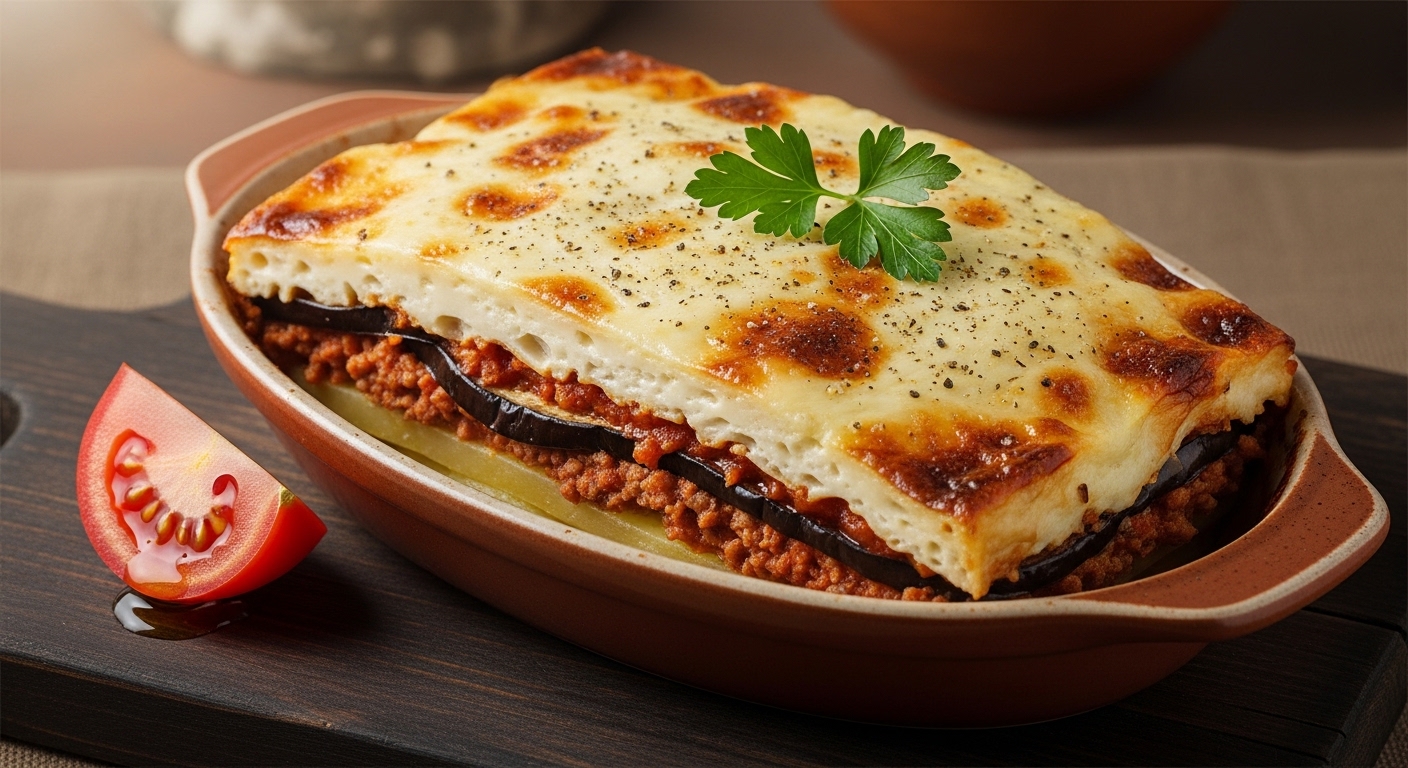
If you’ve ever dreamed of a dish that combines tender eggplant, savory spiced meat, and a golden, creamy béchamel topping—all baked to perfection—then Greek moussaka is your answer. This iconic Mediterranean casserole isn’t just food; it’s a celebration of Greek culinary tradition, layered with flavor, history, and comfort. Originating in Greece and beloved across the Balkans and Middle East, moussaka has evolved over centuries, but the classic version remains a hearty, satisfying main course that warms both body and soul.
What makes Greek moussaka so irresistible? It’s the harmony of textures and tastes: the smoky depth of roasted eggplant, the richness of slow-cooked ground lamb or beef, and the luxurious, custard-like béchamel that bubbles and browns on top. Unlike its Turkish or Middle Eastern cousins, the Greek version is defined by its use of béchamel sauce and often includes potatoes for added heartiness. Whether served at a family gathering or a festive dinner, moussaka is a showstopper that never fails to impress.
Quick Recipe Summary
| Prep Time | 45 minutes |
| Cook Time | 1 hour 30 minutes |
| Total Time | 2 hours 15 minutes |
| Servings | 8 |
| Cuisine | Greek |
| Course | Main Course |
| Calories (approx.) | 480 per serving |
Ingredients for Authentic Greek Moussaka
This recipe yields 8 generous portions of traditional Greek moussaka, perfect for feeding a crowd or meal-prepping for the week. All ingredients are easy to find at your local grocery store or Mediterranean market.
For the Eggplant Layers:
- 3 large eggplants (about 2.5 lbs / 1.1 kg), sliced into ½-inch rounds
- 1½ tsp salt (for drawing out moisture)
- 3 tbsp olive oil (for brushing)
For the Meat Sauce:
- 2 tbsp olive oil
- 1 large yellow onion, finely chopped
- 4 garlic cloves, minced
- 1 lb (450g) ground lamb (or beef, or a 50/50 mix)
- 1 (14.5 oz / 400g) can crushed tomatoes
- 2 tbsp tomato paste
- ½ cup dry red wine (optional but recommended)
- 1 tsp ground cinnamon
- ½ tsp ground allspice
- ½ tsp dried oregano
- ½ tsp black pepper
- 1 tsp salt (adjust to taste)
- 1 bay leaf
- 1 tbsp fresh parsley, chopped (for garnish)
For the Béchamel Sauce:
- 4 tbsp unsalted butter
- 4 tbsp all-purpose flour
- 3 cups whole milk, warmed
- ¼ tsp ground nutmeg
- ½ tsp salt
- 2 large egg yolks
- ½ cup grated Parmesan cheese (optional, for extra richness)
Optional Additions:
- 2 medium potatoes, peeled and sliced thin (traditional in some regions)
- 1 cup sliced zucchini (for a lighter version)
Step-by-Step Cooking Instructions
1. Prepare the Eggplant
Slice the eggplants into ½-inch rounds and sprinkle both sides with salt. Let them sit in a colander for 30 minutes to draw out bitterness and excess moisture. Rinse briefly under cold water and pat dry with paper towels. This step ensures your moussaka isn’t watery.
Preheat your oven to 400°F (200°C). Brush both sides of the eggplant slices with olive oil and arrange them on a baking sheet lined with parchment paper. Roast for 20–25 minutes, flipping halfway, until golden and tender. Set aside to cool slightly.
2. Cook the Meat Sauce
In a large skillet or Dutch oven, heat 2 tbsp olive oil over medium heat. Add the chopped onion and sauté for 5–7 minutes until soft and translucent. Stir in the garlic and cook for another minute until fragrant.
Add the ground lamb (or beef) and cook, breaking it up with a spoon, until browned and cooked through—about 8–10 minutes. Drain excess fat if needed. Stir in the tomato paste and cook for 1–2 minutes to deepen the flavor.
Pour in the red wine (if using) and let it simmer for 2–3 minutes to reduce. Add the crushed tomatoes, cinnamon, allspice, oregano, salt, pepper, and bay leaf. Reduce heat to low, cover, and let simmer for 20–25 minutes, stirring occasionally. The sauce should be thick and rich. Remove the bay leaf and stir in chopped parsley.
3. Make the Béchamel Sauce
In a medium saucepan, melt the butter over medium heat. Whisk in the flour and cook for 1–2 minutes to form a roux—don’t let it brown. Gradually whisk in the warm milk, a little at a time, until smooth and lump-free.
Cook the sauce, stirring constantly, until it thickens to a custard-like consistency—about 5–7 minutes. Remove from heat and stir in nutmeg and salt. In a small bowl, whisk the egg yolks, then slowly temper them by adding a few spoonfuls of the hot béchamel while whisking. Pour the tempered yolks back into the sauce and stir well. Add Parmesan if using. Set aside—the sauce will thicken as it cools.
4. Assemble the Moussaka
Reduce oven temperature to 375°F (190°C). Lightly grease a 9×13-inch baking dish. If using potatoes, layer them first—arrange a single layer of thin potato slices at the bottom.
Layer half of the roasted eggplant slices over the potatoes (or directly on the dish). Spread half of the meat sauce evenly over the eggplant. Repeat with the remaining eggplant and meat sauce.
Pour the béchamel sauce over the top layer, spreading it evenly with a spatula. Use a fork to create gentle swirls for a rustic finish. Sprinkle with a little extra Parmesan if desired.
5. Bake and Rest
Bake uncovered for 45–50 minutes, or until the top is golden brown and the edges are bubbling. The béchamel should be set but still slightly jiggly in the center.
Remove from the oven and let the moussaka rest for at least 20–30 minutes before slicing. This allows the layers to set and makes serving much easier.
Chef Tips for Perfect Greek Moussaka
- Salt the eggplant: Don’t skip this step—it removes bitterness and prevents sogginess.
- Use warm milk: Cold milk can cause lumps in your béchamel. Warm it gently on the stove or in the microwave.
- Temper the eggs: Always temper egg yolks before adding them to hot béchamel to avoid scrambling.
- Let it rest: Moussaka is best served after it has cooled slightly. Rushing to slice it will result in a messy, runny dish.
- Use a mix of meats: Lamb adds authentic flavor, but beef or a blend works beautifully too.
Common Mistakes to Avoid
- Not salting eggplant: This leads to a watery, bitter dish.
- Overcooking the béchamel: It should be smooth and creamy, not grainy or burnt.
- Skipping the rest time: Cutting too soon ruins the layered structure.
- Using cold ingredients: Room-temperature eggs and warm milk ensure a silky béchamel.
- Overloading with sauce: Too much meat or béchamel can make the dish soggy.
Ingredient Substitutions & Variations
- Vegetarian Moussaka: Replace meat with lentils, mushrooms, or a plant-based ground meat alternative. Add extra vegetables like zucchini or bell peppers.
- Vegan Moussaka: Use olive oil instead of butter, plant-based milk, and a flax egg (1 tbsp ground flax + 3 tbsp water) instead of egg yolks. Skip Parmesan or use nutritional yeast.
- Healthier Version: Use lean ground turkey, reduce butter in béchamel, and add more vegetables. Bake instead of frying eggplant.
- Indian-Inspired Moussaka: Add garam masala, turmeric, and cumin to the meat sauce. Top with a spiced coconut milk béchamel.
- Gluten-Free: Use cornstarch or gluten-free flour for the béchamel.
Serving Suggestions
Serve Greek moussaka warm, straight from the baking dish. It pairs beautifully with a crisp Greek salad (tomatoes, cucumbers, red onion, olives, and feta), warm pita bread, or a simple arugula salad with lemon vinaigrette. A glass of dry red wine, like a Greek Xinomavro or a Cabernet Sauvignon, complements the rich flavors perfectly.
Storage & Reheating Instructions
Store leftover moussaka in an airtight container in the refrigerator for up to 4 days. It actually tastes even better the next day as the flavors meld.
To reheat, cover with foil and warm in a 350°F (175°C) oven for 20–25 minutes, or microwave individual portions for 2–3 minutes. For best texture, avoid reheating at high heat.
Freezing is possible for up to 2 months. Thaw overnight in the fridge before reheating. Note: The béchamel may separate slightly—stir gently while reheating to restore creaminess.
Nutrition Facts (Approximate per Serving)
- Calories: 480
- Total Fat: 32g
- Saturated Fat: 14g
- Cholesterol: 95mg
- Sodium: 620mg
- Total Carbohydrates: 28g
- Dietary Fiber: 7g
- Sugars: 10g
- Protein: 24g
Key Takeaways
- Greek moussaka is a layered casserole of eggplant, spiced meat, and creamy béchamel.
- Salting and roasting eggplant is essential for texture and flavor.
- Béchamel must be made with warm milk and tempered eggs for smoothness.
- Letting the dish rest before serving ensures clean, beautiful slices.
- Perfect for meal prep, freezing, and feeding a crowd.
Frequently Asked Questions (FAQ)
Can I make moussaka ahead of time?
Absolutely! Assemble the moussaka up to a day in advance, cover, and refrigerate. Bake as directed, adding 10–15 minutes to the cooking time if starting from cold.
Can I use a different meat?
Yes. Ground beef, turkey, or a lamb-beef blend all work well. For a richer flavor, lamb is traditional.
Is moussaka gluten-free?
The classic version is not, but you can make it gluten-free by using cornstarch or gluten-free flour in the béchamel.
Why is my béchamel grainy?
This usually happens if the roux is overcooked or if cold milk is added too quickly. Always use warm milk and whisk constantly.
Can I freeze moussaka?
Yes, freeze baked and cooled moussaka for up to 2 months. Thaw in the fridge overnight and reheat gently in the oven.
Conclusion: Why You Should Make Greek Moussaka Tonight
Greek moussaka isn’t just a recipe—it’s an experience. From the first whiff of cinnamon-spiced meat to the golden crust of béchamel, every bite tells a story of Mediterranean tradition and home-cooked love. Whether you’re cooking for family, impressing guests, or simply treating yourself, this dish delivers comfort, flavor, and satisfaction in every layer.
Don’t be intimidated by the steps. With a little patience and these detailed instructions, you’ll create a moussaka that rivals anything you’d find in a Greek taverna. So roll up your sleeves, preheat that oven, and get ready to fall in love with one of Greece’s most iconic dishes. Your taste buds—and your dinner table—will thank you.