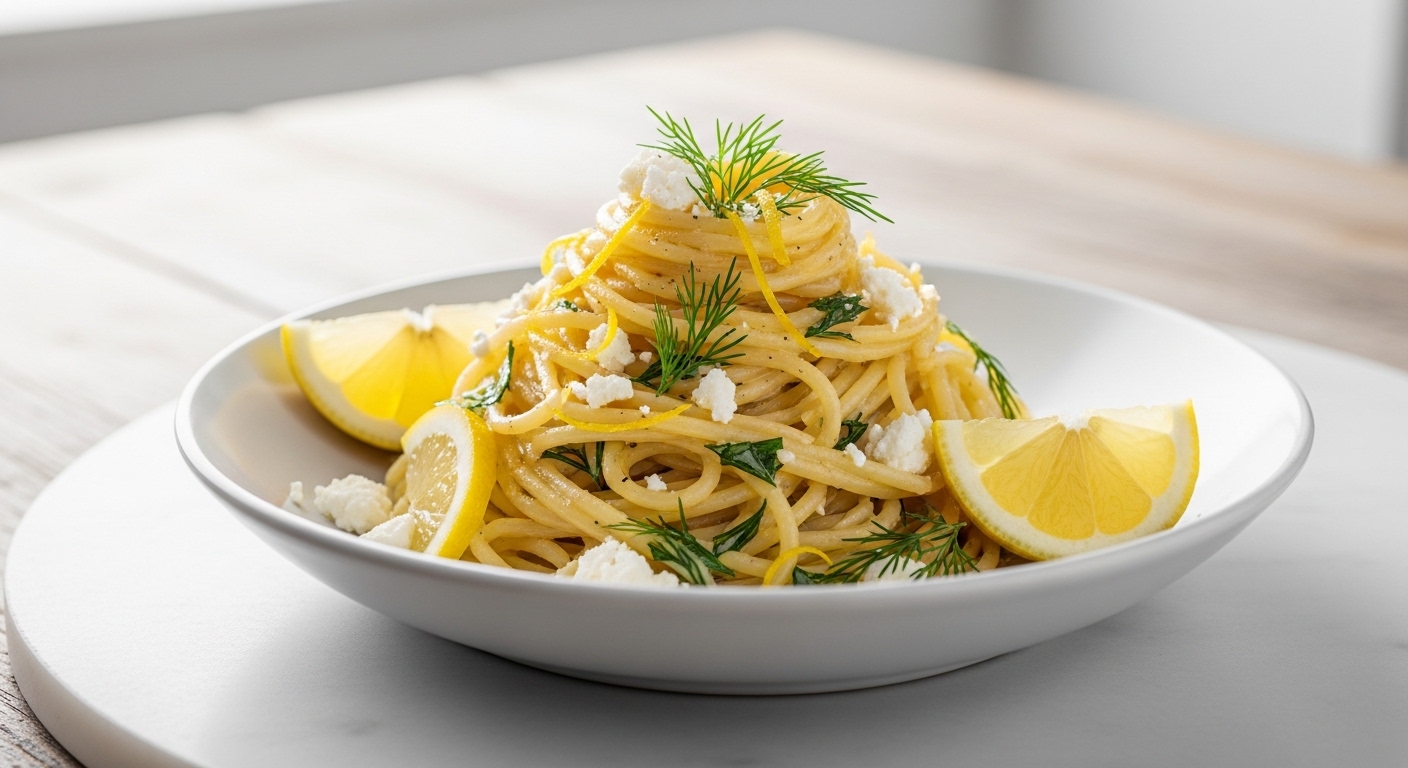
Tired of the same old creamy or tomato-based pasta dishes? Craving something light, tangy, and bursting with fresh flavor? You’re in for a treat—this Greek lemon pasta is quickly becoming one of the most beloved quick dinners across North America. With its bright citrus notes, garlic-kissed olive oil, and a touch of feta that melts into creamy bliss, this dish delivers Mediterranean magic in under 30 minutes. It’s no wonder foodies and home cooks alike are raving about this vibrant, easy-to-make recipe.
Whether you’re meal prepping for the week, impressing dinner guests, or simply craving comfort with a zesty kick, Greek lemon pasta checks all the boxes. Packed with protein-rich chickpeas, fiber-filled vegetables, and tangy lemon juice, it’s as nutritious as it is delicious. And the best part? No complicated techniques or specialty ingredients required.
Why You’ll Love This Greek Lemon Pasta
- Taste: The bold, citrusy punch of fresh lemon balances perfectly with savory garlic, herbs, and salty feta—creating layers of flavor in every bite.
- Speed: Ready in just 25 minutes, this weeknight hero uses pantry staples and fresh ingredients you likely already have on hand.
- Healthy & Balanced: Loaded with plant-based protein (thanks to chickpeas), healthy fats from olive oil, and fiber from whole grains or veggies.
- Family-Friendly: Kids love the creamy texture without dairy overload; adults appreciate the sophisticated yet simple profile.
- Versatile: Easily customizable—add grilled chicken, shrimp, spinach, or swap in gluten-free pasta for dietary needs.
Ingredients You’ll Need
Making authentic Greek lemon pasta doesn’t require a long shopping list. Here’s what you’ll gather for a satisfying 4-serving meal:
- 12 oz (340g) pasta – Use spaghetti, linguine, or even whole wheat fusilli for a heartier option.
- ¼ cup (60ml) extra virgin olive oil – The foundation of flavor; choose a fruity, peppery variety.
- 4 garlic cloves, minced – Freshly crushed for maximum aroma and pungency.
- 1 lemon (zest + juice) – One large lemon usually yields 3–4 tbsp juice and generous zest.
- ½ tsp red pepper flakes – Optional, but adds a subtle heat that complements the lemon beautifully.
- 1 can (15 oz / 425g) chickpeas, drained & rinsed – Adds protein and creaminess without heavy cream.
- 2 cups baby spinach – Quick-cooking greens wilt into the sauce for extra nutrients.
- ½ cup crumbled feta cheese – Salty, tangy, and meltable—don’t skip this!
- Salt and black pepper – To taste; go lightly at first—feta adds saltiness.
- Fresh parsley or dill, chopped – For garnish and brightness.
Optional substitutions:
- Vegan? Swap feta for dairy-free cheese or omit entirely.
- Gluten-free? Use certified GF pasta.
- Extra protein? Stir in ½ cup cooked shredded chicken or grilled shrimp.
Kitchen Tools Needed
- Large pot (for boiling pasta)
- Skillet or sauté pan (for building the sauce)
- Wooden spoon or spatula
- Box grater (for lemon zest)
- Citrus juicer
- Colander (to drain chickpeas and rinse)
Step-by-Step Instructions
- Boil the pasta: In a large pot of salted boiling water, cook pasta according to package instructions until al dente. Reserve ½ cup pasta water before draining.
- Sauté aromatics: While pasta cooks, heat olive oil in a skillet over medium heat. Add minced garlic and red pepper flakes (if using). Sauté for 30 seconds until fragrant—don’t let it brown or burn.
- Add lemon and chickpeas: Stir in lemon zest, juice, and drained chickpeas. Cook gently for 2–3 minutes, allowing flavors to meld.
- Combine everything: Add drained pasta to the skillet. Toss well to coat, adding splashes of reserved pasta water if needed for silkiness.
- Fold in greens and feta: Stir in spinach until wilted, then gently fold in crumbled feta. The residual heat will soften it slightly.
- Garnish and serve: Top with fresh herbs, extra lemon zest, and a drizzle of olive oil. Serve immediately while warm.
Pro Tips for Perfect Greek Lemon Pasta
- Zest first: Always zest your lemon before juicing—it preserves maximum flavor and makes extraction easier.
- Don’t overcrowd the pan: Cook garlic quickly over medium-low heat to avoid bitterness.
- Lemon juice timing: Add lemon juice toward the end to prevent it from tasting raw or overly acidic.
- Pasta water is key: That starchy liquid helps bind the sauce and gives it a silky mouthfeel.
- Taste as you go: Adjust seasoning—especially salt—based on your feta and pasta brand.
Variations to Try
Spicy Kick Version
Increase red pepper flakes to 1 tsp and toss in ½ cup sliced Kalamata olives after adding spinach. The briny olives add depth alongside the heat.
High-Protein Powerhouse
Roast 1 cup cherry tomatoes and ½ cup cubed halloumi alongside garlic for 10 minutes at 400°F (200°C). Add them at the final step for richness and protein boost.
Keto-Friendly Option
Replace pasta with spiralized zucchini or cauliflower noodles. Use full-fat feta and extra olive oil to maintain creaminess without carbs.
Vegetarian Upgrade
Add roasted red peppers, artichoke hearts, or sun-dried tomatoes to the sauce for a more complex flavor base.
What to Serve With Greek Lemon Pasta
This dish shines as a complete meal on its own, but pairs beautifully with:
- A crisp arugula salad dressed with lemon vinaigrette
- Sliced cucumbers and tomatoes (simple Greek salad)
- Breadsticks or garlic knots for soaking up extra sauce
- A chilled glass of Sauvignon Blanc or rosé
Storage and Reheating Tips
- Refrigerate: Store leftovers in an airtight container for up to 3 days.
- Reheat wisely: Warm gently in a skillet over low heat, adding splash of water or broth to revive moisture.
- Avoid microwave reheating: It can make the feta separate and pasta gummy.
- Freeze caution: Best enjoyed fresh—the lemon and feta don’t freeze well.
Frequently Asked Questions (FAQ)
Can I make Greek lemon pasta ahead of time?
Yes, but it’s best served fresh. If you must prep ahead, cook pasta and set aside. Make the sauce without feta and store separately. Combine just before serving and reheat gently.
Is Greek lemon pasta dairy-free?
No, traditional recipes include feta. However, you can substitute with vegan feta or omit it entirely—though the dish will lose some tangy depth.
How do I prevent the pasta from getting soggy?
Drain pasta thoroughly and toss it with a bit of olive oil before combining with the hot sauce. This creates a barrier that prevents sticking and sogginess.
Can I use frozen spinach instead of fresh?
Yes, but thaw and squeeze out excess water first to avoid diluting the sauce too much.
What’s the difference between Greek lemon pasta and lemon garlic pasta?
While both share garlic and lemon, Greek lemon pasta typically includes feta, chickpeas, and herbs like oregano or dill—hallmarks of Mediterranean cuisine—giving it a distinctly savory-sweet profile.
Final Thoughts
If you’ve been searching for a pasta recipe that’s as refreshing as it is satisfying, your wait is over. This Greek lemon pasta brings the sunshine of the Aegean straight to your kitchen—no passport required. Its vibrant colors, bold flavors, and effortless preparation make it ideal for busy weeknights or elegant enough for unexpected company.
Give this recipe a try tonight. Whether you’re cooking solo or sharing with loved ones, the response will be unanimous: “That’s amazing!” Don’t forget to snap a photo before eating—this dish looks as good as it tastes. And if you tweak it to suit your palate, we’d love to hear how it turned out!
Greek Lemon Pasta Recipe Card
- Prep Time: 10 minutes
- Cook Time: 15 minutes
- Total Time: 25 minutes
- Servings: 4
- Calories: 580 per serving (approx.)
- Cuisine: Mediterranean / Greek-inspired
- Course: Main Course
Recipe Tags: Greek lemon pasta, lemon garlic pasta, Mediterranean pasta, easy pasta recipe, healthy pasta dish, weeknight dinner ideas, vegetarian pasta, feta pasta, citrus pasta