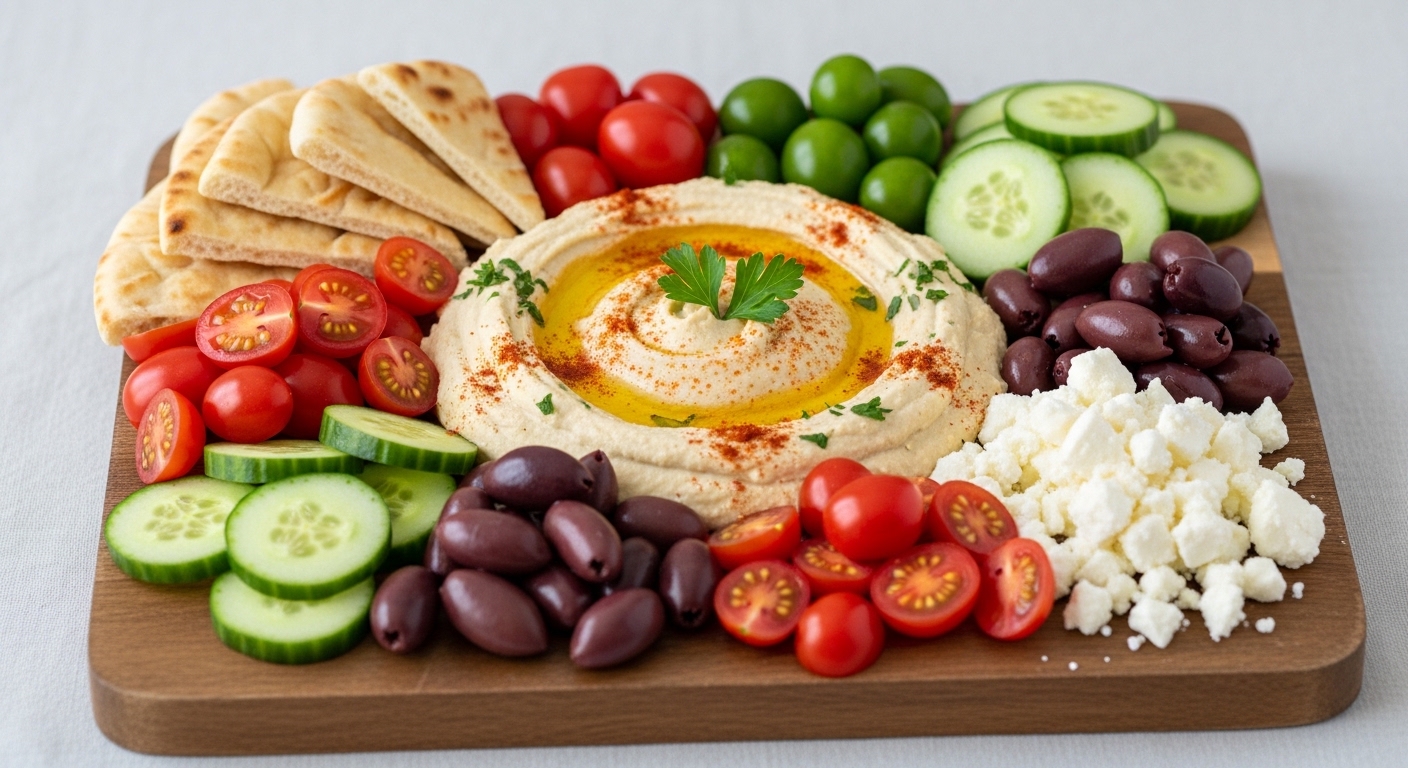
Looking for a crowd-pleasing appetizer that’s creamy, vibrant, and bursting with flavor? Greek hummus platters are taking over dinner tables and party spreads across the U.S.—and for good reason. This modern twist on classic hummus blends the heartiness of traditional chickpeas with the bright, zesty essence of Greek ingredients like feta, olives, and fresh herbs. Whether you’re hosting a casual get-together or preparing for game day, these platters deliver bold Mediterranean taste in every bite.
Unlike standard hummus, Greek-inspired versions elevate the base with tangy feta, briny Kalamata olives, and sun-dried tomatoes, creating a visually stunning and deeply satisfying dish. Plus, they’re incredibly easy to assemble—no oven required! In this article, we’ll walk you through how to build the most delicious Greek hummus platter from scratch, including pro tips, serving suggestions, and even fun variations to keep your guests coming back for more.
Why You’ll Love This Recipe
- Creamy, smoky, and savory—perfectly balanced flavors from roasted red peppers and tahini.
- No cooking needed—most ingredients come together in under 15 minutes.
- Highly customizable—swap veggies or add protein to suit dietary needs.
- Perfect for parties—served family-style, it encourages sharing and connection.
- Kid-friendly & adult-approved—sweet and tangy notes appeal to all ages.
Key Ingredients for Authentic Greek Hummus
To create a truly authentic Greek hummus platter, quality matters. Here’s what you’ll need:
- 1 (15 oz) can garbanzo beans, drained and rinsed (or cooked from dry)
- ¼ cup tahini (sesame paste)
- 3 tbsp extra virgin olive oil, plus extra for drizzling
- Juice of 1 lemon
- 1 clove garlic, minced
- ½ tsp cumin
- Salt and black pepper to taste
- 1/4 cup crumbled feta cheese
- 1/4 cup Kalabaza olives, pitted and sliced
- 2 tbsp chopped fresh parsley
- Optional: 2 tbsp sun-dried tomatoes, chopped
Ingredient Substitutions & Variations
- Vegan option: Replace feta with dairy-free feta (available at most grocery stores).
- Low-carb: Use canned lentils instead of chickpeas for a lower glycemic index.
- Spicy kick: Add ½ tsp cayenne pepper or a dash of harissa paste.
- Gluten-free: This recipe is naturally gluten-free if using certified GF tahini.
Kitchen Tools Needed
- Food processor or high-speed blender
- Mixing bowl
- Cutting board and knife
- Platter or large shallow dish
- Whisk
- Measuring cups and spoons
Step-by-Step Instructions
- Prepare the hummus base: In a food processor, combine garbanzo beans, tahini, lemon juice, garlic, cumin, salt, and 3 tablespoons of olive oil. Blend until smooth and creamy—about 1–2 minutes. Scrape down sides as needed.
- Add texture and brightness: Transfer to a mixing bowl. Stir in crumbled feta and chopped parsley. Taste and adjust seasoning—add more salt or lemon juice if needed.
- Assemble the platter: Spread hummus evenly onto a large serving platter. Create a swirl pattern with the back of a spoon for visual appeal.
- Garnish generously: Arrange Kalabaza olives, sun-dried tomatoes, cucumber slices, cherry tomatoes, red onion rings, and fresh dill around the edges.
- Drizzle and serve: Lightly drizzle remaining olive oil over the top and sprinkle with additional feta for contrast.
Pro Tips for Perfect Greek Hummus Platters
- Soak dried chickpeas overnight for ultra-smooth texture—but canned works fine too!
- Chill the hummus for 30 minutes before assembling for a firmer consistency.
- Layer ingredients by color—this makes the platter pop and looks professionally plated.
- Serve with crusty bread, pita chips, or raw veggies to soak up that delicious dip.
- Avoid over-blending—just until smooth, not completely liquid.
Creative Variations to Try
Spicy Greek Hummus
For heat lovers, blend in 1–2 tsp of harissa or add finely diced jalapeño before mixing in the feta.
High-Protein Version
Top the platter with grilled chicken strips, shrimp skewers, or a sprinkle of hemp seeds for added protein.
Keto-Friendly Option
Skip the bread and focus on low-carb veggies like cucumber, bell peppers, and radishes. Use avocado instead of olive oil for richness.
Herbed White Bean Hummus
Swap garbanzo beans for white beans (like cannellini), then mix in fresh oregano and lemon zest.
What to Serve With Greek Hummus Platters
These platters shine when paired with Mediterranean classics:
- Bread options: Warm pita pockets, flatbread, or lavash crackers
- Veggie sticks: Carrots, celery, bell peppers, and radishes
- Mediterranean sides: Marinated artichoke hearts, roasted eggplant, or tabbouleh
- Pickled items: Red onion relish or pickled cauliflower for acidity
- Drinks: Iced mint tea, sparkling water with lemon, or light rosé wine
Storage and Reheating Tips
- Store leftovers: Keep hummus in an airtight container in the fridge for up to 5 days.
- Cover surface: Place plastic wrap directly on the hummus to prevent browning.
- Reheat gently: If chilled too long, warm slightly in a microwave (10-second bursts) and stir in a splash of water or olive oil to restore creaminess.
- Do not freeze: Freezing alters texture—best enjoyed fresh.
Frequently Asked Questions (FAQ)
Can I make Greek hummus ahead of time?
Yes! Assemble the platter up to 4 hours in advance. Cover and refrigerate. Bring to room temperature before serving for best flavor and texture.
Is Greek hummus different from regular hummus?
Absolutely. While both use chickpeas and tahini, Greek hummus often includes feta, olives, and sun-dried tomatoes, giving it a tangier, more complex profile.
Can I use store-bought hummus for a quick platter?
Of course! Look for plain hummus without garlic or spices, then add your own Greek garnishes like feta, olives, and herbs to customize it.
How do I keep my hummus from getting too thick?
Add small amounts of water or olive oil while blending until you reach desired consistency. A teaspoon at a time usually does the trick.
Are there nut-free alternatives to tahini?
Tahini is made from sesame seeds, which are not tree nuts—but cross-contamination can occur. Always check labels if avoiding nuts strictly.
Final Thoughts
There’s something magical about a beautifully arranged platter that invites conversation and connection. Greek hummus platters aren’t just food—they’re an experience. Creamy, colorful, and full of life, they capture the soul of Mediterranean dining without requiring hours in the kitchen. Whether you’re celebrating a birthday, watching the big game, or simply treating yourself, this recipe delivers joy in every bite.
Next time you’re planning a gathering, skip the ordinary chips and salsa. Dive into the bold, refreshing world of Greek hummus platters—your guests will thank you. And remember: the best part isn’t just the taste… it’s the memories you’ll make while sharing.
Recipe Card
- Prep Time: 15 minutes
- Cook Time: 0 minutes
- Total Time: 15 minutes
- Servings: 6–8
- Calories: ~220 per serving (based on ingredients listed)
- Cuisine: Mediterranean / Greek-Inspired
- Course: Appetizer, Snack, Party Food
Note: For Pinterest-friendly visuals, photograph the platter with natural light, include close-ups of textures (crispy pita, glossy olives), and use descriptive alt text like “Vibrant Greek hummus platter with feta, olives, and fresh herbs”.