German Pork Roast: A Hearty, Flavorful Classic from the Heart of Germany
If you’re craving a rich, savory centerpiece that brings warmth to your table and satisfies every guest at your dinner party, look no further than the German pork roast. This traditional dish is beloved across German cuisine for its deep, smoky flavors, tender texture, and comforting aroma. Whether it’s served at family gatherings, holiday feasts, or casual Sunday suppers, a well-prepared pork roast delivers both nostalgia and sophistication in one delicious bite.
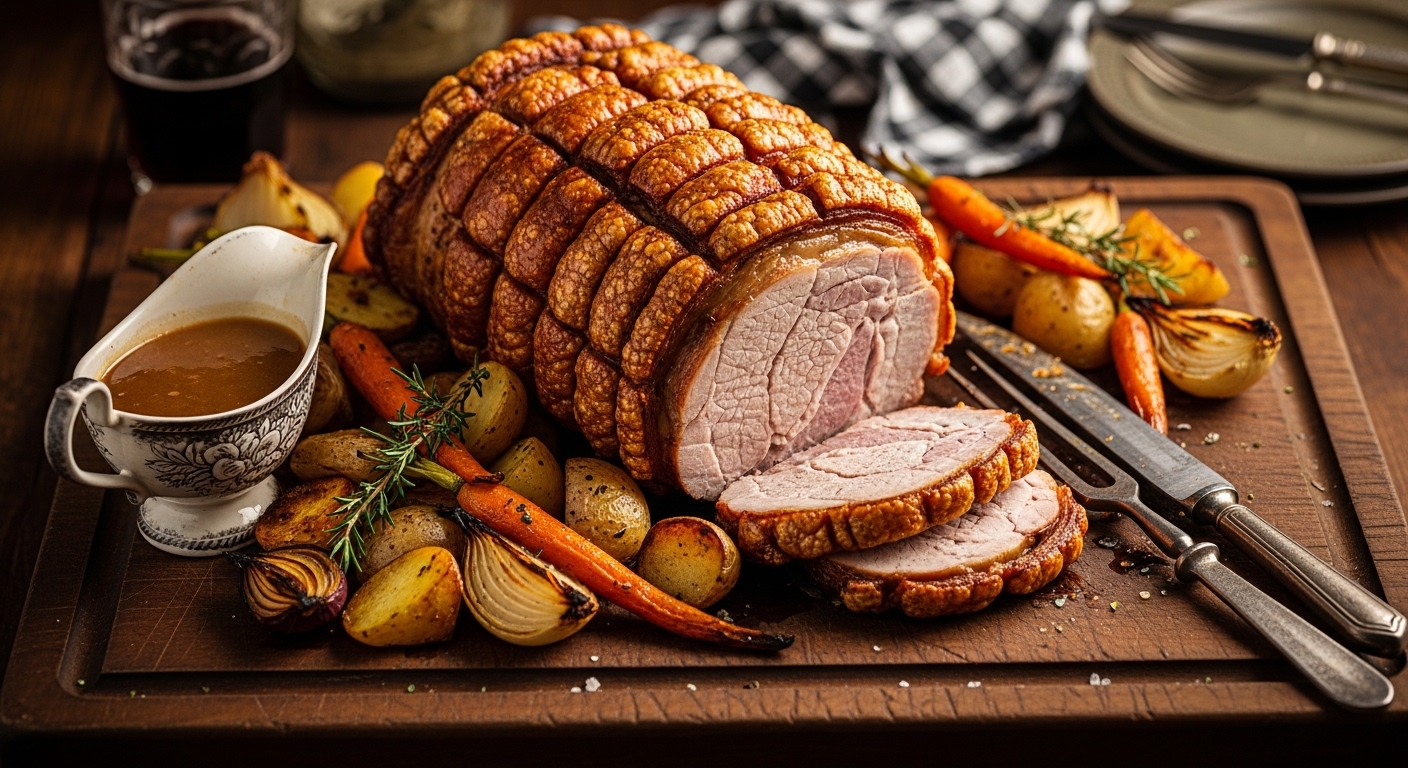
The German pork roast isn’t just about the meat—it’s about technique, seasoning, and slow cooking. With crispy crackling skin, aromatic herbs, and a golden-brown crust, this dish embodies the essence of rustic German cooking. In this article, we’ll guide you through everything you need to know: from selecting the perfect cut to mastering the seasoning and roasting process. Plus, we’ll share pro tips, common pitfalls to avoid, and creative twists so you can make this classic your own.
Key Takeaways
- German pork roast is traditionally made with bone-in pork shoulder (also called pork butt) or loin, roasted slowly until tender and juicy.
- The secret lies in scoring the fat, seasoning generously, and using low-and-slow heat to develop flavor and achieve crisp crackling.
- Pair it with sauerkraut, potato dumplings, or roasted root vegetables for an authentic German experience.
- Always let the meat rest before slicing to lock in juices.
- This recipe can be adapted for gluten-free, keto, or low-carb diets with simple ingredient swaps.
Quick Recipe Summary
| Prep Time | Cook Time | Total Time | Servings | Cuisine | Course | Calories (approx.) |
|---|---|---|---|---|---|---|
| 30 minutes | 3–4 hours | 3 hours 30 minutes | 8–10 | German | Main Course | 320 per serving |
What Is a German Pork Roast?
A German pork roast is a slow-roasted cut of pork, typically seasoned with garlic, bay leaves, juniper berries, and coarse salt. The meat is often scored deeply to allow fat to render out, creating that signature crispy crackling. Unlike lean cuts like pork chops, the shoulder or butt cut used here is ideal for long, slow cooking—transforming tough fibers into melt-in-your-mouth tenderness.
In Germany, this dish is more than food—it’s tradition. It appears in homes during festivals like Oktoberfest and on Christmas tables alongside sausages, pretzels, and stollen. The combination of bold spices, caramelized onions, and rich gravy makes it a standout centerpiece that feeds both body and soul.
Why Choose a German Pork Roast?
- Tender & Juicy: Slow roasting breaks down connective tissue, yielding fork-tender meat.
- Rich Flavor Profile: Garlic, paprika, caraway seeds, and thyme create a complex, earthy taste.
- Perfect for Meal Prep: Slices beautifully and reheats well, making leftovers easy.
- Versatile Side Dishes: Goes wonderfully with sauerkraut, braised red cabbage, or creamy potato purée.
Ingredients You’ll Need
Here’s what you’ll need to prepare an authentic German-style pork roast (serves 8–10):
For the Roast:
- 3–4 lb bone-in pork shoulder (butt roast)
- 2 tbsp coarse sea salt (or kosher salt)
- 1 tbsp freshly ground black pepper
- 2 tsp smoked paprika
- 1 tsp ground caraway seeds
- 4 cloves garlic, minced
- 1 large yellow onion, sliced thick
- 4 sprigs fresh thyme or 1 tsp dried thyme
- 2 bay leaves
- 1 tbsp unsalted butter (optional, for richness)
- 1 cup dry white wine or apple cider (for deglazing)
For the Gravy (Optional but Recommended):
- 2 tbsp all-purpose flour (or gluten-free blend)
- 2 cups reserved pan juices + beef or vegetable broth
- 1 tsp Dijon mustard
- Salt and pepper to taste
Step-by-Step Cooking Instructions
- Preheat Oven: Set your oven to 300°F (150°C). Lower temperatures help render fat slowly and keep meat tender.
- Score the Fat: Use a sharp knife to make shallow cuts every 1/2 inch across the top of the roast. Be careful not to cut into the meat. This helps fat escape and creates crackling.
- Season Generously: Rub the entire surface with salt, pepper, paprika, caraway, and minced garlic. Let sit at room temperature for 20–30 minutes.
- Sear the Meat (Optional but Recommended): Heat a skillet over medium-high heat with 1 tbsp oil. Sear each side of the roast for 3–4 minutes until golden brown. This adds depth of flavor.
- Prepare the Roasting Pan: Place sliced onions, thyme sprigs, and bay leaves in the bottom of a heavy roasting pan. Put the seared roast on top.
- Add Liquid: Pour white wine or cider around the sides (not directly on the meat). Dot with butter if desired.
- Roast Low & Slow: Cover loosely with foil and roast for 2.5–3 hours. Then remove foil and increase to 375°F (190°C) for the last 30–45 minutes to crisp the skin.
- Check Doneness: Internal temperature should reach 195°F (90°C) when pierced with a thermometer near the bone. The meat should feel very soft when squeezed.
- Rest Before Serving: Let rest covered for 20–30 minutes. This allows juices to redistribute.
- Make Gravy (Optional): Pour off excess fat, leaving about 2 tbsp. Whisk in flour, then gradually add pan drippings and broth. Simmer until thickened. Stir in mustard and season.
- Slice & Serve: Cut against the grain into thick slices. Serve with gravy, sauerkraut, and warm bread rolls.
Chef Tips for Perfect German Pork Roast
- Don’t Rush the Resting Phase: Skipping this step leads to dry meat. Trust the process!
- Use a Meat Thermometer: Visual cues aren’t enough. At 195°F, your roast will be fall-apart tender.
- Save the Crackling: Once cooled, scrape off excess fat and fry the crispy bits in a little oil for a crunchy snack.
- Brown the Onions First: Caramelizing them before adding to the pan enhances sweetness and depth.
- Low and Slow Wins Every Time: High heat causes shrinkage and toughness. Patience pays off.
Common Mistakes to Avoid
- Overcooking: Beyond 200°F, the meat starts drying out. Stick to 195°F.
- Skipping the Score Marks: Without scoring, fat won’t render properly, leading to soggy skin.
- Using Lean Cuts: Shoulder or butt roast has marbling—essential for juiciness during long cook times.
- Not Deglazing the Pan: Those browned bits (fond) are full of flavor. Always use them in gravy.
Ingredient Substitutions & Variations
Substitutions:
- Gluten-Free: Replace regular flour with cornstarch or a gluten-free all-purpose mix in the gravy.
- Vegan Option: Swap pork for smoked tofu or jackfruit marinated in soy-ginger glaze and roast similarly.
- Low-Carb/Keto: Omit flour; use almond flour or skip gravy entirely. Serve with roasted Brussels sprouts instead.
- Dairy-Free: Skip the butter—use olive oil or avocado oil when searing.
Variations:
- Indian-Inspired: Add garam masala, turmeric, and ginger for a fusion twist.
- Smoked Version: Cold-smoke the roast before oven finishing for extra depth.
- Apple-Apple Sauce Glaze: Brush with apple sauce during final roasting for a sweet-savory balance.
Serving Suggestions
Serve your German pork roast with these classic accompaniments:
- Sauerkraut: Tangy fermented cabbage cuts through richness.
- Braised Red Cabbage: Sweet and spiced, often with apples and vinegar.
- Paprika Potatoes: Boiled potatoes tossed in paprika butter.
- Mashed Turnips or Parsnips: Creamy and slightly sweet alternatives to potatoes.
- Mustard & Pickles: Offer small bowls of stone-ground mustard and pickled gherkins on the side.
- Fresh Bread Rolls: Perfect for soaking up gravy.
Storage & Reheating Tips
- Refrigerate: Store slices in an airtight container for up to 4 days.
- Freeze Safely: Wrap tightly or place in freezer-safe bags for up to 3 months. Thaw overnight in fridge.
- Reheat Best Ways:
- Oven: 300°F for 15–20 minutes with foil.
- Stovetop: Warm in a skillet with a splash of stock or water.
- Microwave: Not recommended—can dry out the meat.
Nutrition Facts (Approximate Per Serving)
- Calories: 320
- Protein: 28g
- Fat: 18g
- Saturated Fat: 6g
- Carbohydrates: 3g
- Fiber: 0g
- Sugar: 1g
- Sodium: 780mg
- Cholesterol: 85mg
Frequently Asked Questions (FAQs)
Q: Can I make German pork roast ahead of time?
A: Absolutely! Cook it a day in advance, cool completely, cover, and refrigerate. Reheat gently in the oven or on the stove with a bit of liquid to prevent drying.
Q: What’s the difference between pork shoulder and pork loin for roasting?
A: Shoulder (butt) is fattier and more flavorful, ideal for slow roasting. Loin is leaner and faster-cooking—better for quick meals like chops or tenderloin.
Q: Do I really need to score the fat?
A: Yes! Scoring lets fat render out, creating that prized crackling. Without it, the skin stays soft and chewy.
Q: Can I use a crockpot instead of an oven?
A: Yes! Brown the meat first, then cook on low for 8–10 hours. Finish under the broiler briefly to crisp the skin.
Q: Why does my gravy turn cloudy?
A: That’s roux-based gravy thickening properly. Make sure you whisk constantly and cook the flour mixture briefly to remove raw taste.
Conclusion
The German pork roast is more than just a meal—it’s a celebration of comfort, tradition, and culinary craftsmanship. With its rich flavors, tender texture, and impressive presentation, this dish never fails to impress. Whether you’re hosting a festive dinner or simply want to treat yourself to something special, taking the time to prepare this roast is worth every moment.
So roll up your sleeves, preheat that oven, and invite some friends over. Your table—and their taste buds—will thank you.