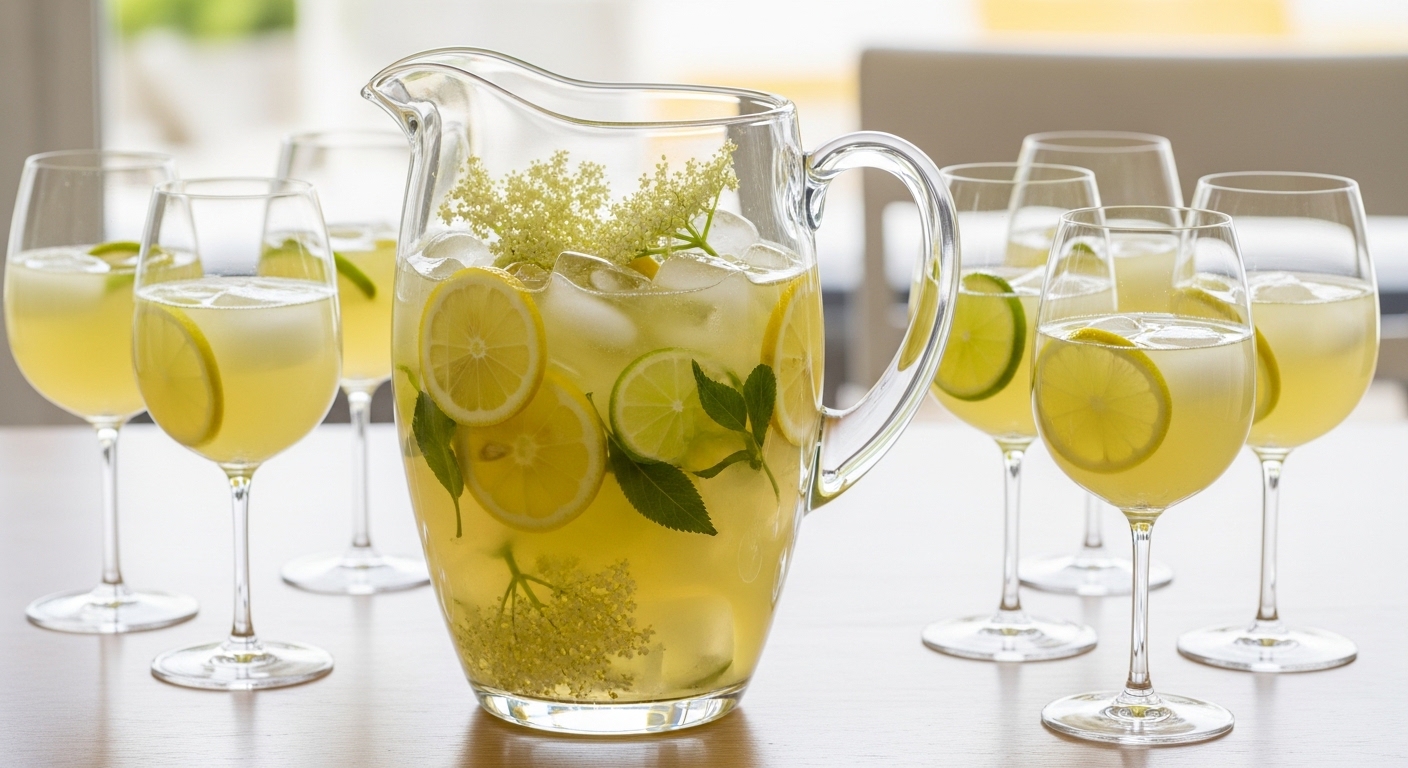
Looking for a vibrant, floral, and effortlessly elegant drink to serve at your next summer gathering? Meet elderflower sauvignon blanc sangria—a dazzling fusion of crisp white wine, fragrant elderflower liqueur, and juicy fruit that’s taking North American patios and picnic tables by storm. This sparkling sangria isn’t just refreshing; it’s Instagram-worthy, conversation-starting, and surprisingly easy to make. Whether you’re hosting brunch, a garden party, or simply craving something light and citrus-kissed, this elderflower-infused twist on classic sangria delivers bold flavor with zero complicated steps.
Why You’ll Love This Elderflower Sauvignon Blanc Sangria
- Taste like sunshine: Bright, floral notes from elderflower syrup dance over zesty citrus and tropical fruit.
- Bready and beautiful: Naturally effervescent thanks to sparkling water or club soda, making each sip feel celebratory.
- Quick & customizable: Ready in under 15 minutes—perfect for last-minute entertaining or spontaneous refreshment.
- Family-friendly option: Easily made non-alcoholic by omitting the wine and adding extra elderflower syrup and lemon-lime soda.
- Versatile base: Pairs beautifully with seafood, grilled chicken, or fresh salads—ideal as both appetizer sipper and main course complement.
Ingredients You’ll Need for Fresh Elderflower Sangria
Creating an irresistible elderflower sauvignon blanc sangria starts with quality ingredients. Here’s what you’ll need (serves 6–8):
Base Ingredients
- 1 bottle (750ml) dry Sauvignon Blanc (chilled)
- ¼ cup elderflower liqueur (such as St-Germain or Monin)
- ½ cup fresh elderflower syrup (or substitute with simple syrup + 1 tbsp dried elderflowers steeped for 10 mins)
- 1 orange (peeled into wide segments)
- 1 blood or navel orange (sliced thin)
- 1 pear (cored and diced small)
- 1 cup seedless grapes (halved)
- ½ cup fresh pineapple chunks
- 2–3 sprigs fresh mint (plus extra for garnish)
- Ice cubes (for serving)
Sparkling Element (Optional but Recommended)
- 1–2 cups chilled sparkling water or prosecco (added just before serving)
Substitutions & Variations
- Wine alternative: Use a dry Riesling or Vermentino if Sauvignon Blanc isn’t available.
- Vegan option: Choose a vegan-friendly elderflower liqueur and ensure all syrups are plant-based.
- Low-sugar version: Reduce elderflower syrup to ¼ cup and add more citrus slices for natural sweetness.
Kitchen Tools Needed
- A large punch bowl or pitcher (at least 4-quart capacity)
- A fine-mesh strainer (if using homemade elderflower syrup)
- A sharp knife and cutting board
- A wooden spoon or spatula (for gentle mixing)
- Measuring cups and spoons
- Serving glasses (try coupes or tall tumblers for visual appeal)
Step-by-Step Instructions: How to Make Elderflower Sangria
- Prep the fruits: Peel the orange into large segments, slice the other orange thinly, dice the pear into bite-sized pieces, and halve the grapes. Toss everything together gently in a bowl.
- Combine liquids: In your large serving pitcher, pour in the chilled Sauvignon Blanc, elderflower liqueur, and elderflower syrup. Stir lightly with a spoon—no need to whisk vigorously.
- Add fruit mixture: Gently fold in the prepared fruits along with mint sprigs. Let the mixture sit at room temperature for 10–15 minutes so flavors begin to meld.
- Chill if needed: If not serving immediately, cover and refrigerate for up to 4 hours (do not exceed 6 hours to keep fruit crisp).
- Finish before serving: Just before pouring into glasses, top each pitcher with ½ cup of sparkling water or prosecco per serving. Stir once more.
- Garnish & serve: Fill glasses with ice, ladle in sangria, and garnish each with a grape, orange slice, and a fresh mint leaf.
Pro Tips for Perfect Elderflower Sangria
- Don’t overmix: Stirring too hard can bruise delicate fruits like pears and berries, releasing excess liquid and turning them mushy.
- Use room-temperature fruit: Adding cold fruit to warm liquids causes condensation and dilutes the drink—let fruit come to room temp after chilling.
- Make it ahead (but don’t overdo it): Prepare the base (wine + syrup + liqueur) and fruit separately up to 6 hours in advance. Mix right before serving.
- Boost aroma: Add a few drops of pure elderflower extract to intensify the floral character without extra sugar.
Health-Conscious & Dietary Variations
- Keto-friendly version: Replace regular elderflower syrup with monk fruit sweetener blend; use a dry rosé instead of Sauvignon Blanc for lower residual sugar.
- Gluten-free assurance: Most commercial elderflower liqueurs are gluten-free, but always double-check labels if sensitive.
- Hydrating boost: Add cucumber slices or basil leaves for a spa-like twist that complements the floral profile.
What to Serve With Elderflower Sangria
This elderflower sauvignon blanc sangria shines alongside light fare. Pair it with:
- Seafood platters—grilled shrimp skewers or ceviche pop up beautifully against its citrusy brightness.
- Cheese boards—soft goat cheese, brie, and honey-drizzled figs create a sophisticated match.
- Light pastas—think lemon garlic linguini or herb-roasted vegetables.
- Desserts—try it with lemon bars, shortbread cookies, or even a scoop of coconut sorbet for a refreshing finish.
Storage & Reheating Tips
While best served fresh, leftover sangria can be stored—with caveats:
- Short-term storage: Keep unopened base mixture (without sparkling water) in an airtight container in the fridge for up to 3 days.
- Never reuse ice: Ice absorbs flavors and dilutes sangria quickly—always use fresh cubes when serving.
- No reheating: Sangria is a cold drink. Never heat it—this destroys effervescence and alters flavor.
Frequently Asked Questions About Elderflower Sangria
Can I make this sangria without alcohol?
Absolutely! Simply omit the Sauvignon Blanc and elderflower liqueur. Instead, mix 1 liter of chilled ginger ale or lemon-lime soda with ½ cup elderflower syrup and your fruit blend. It’s just as delicious and perfect for kids or designated drivers.
How long does homemade elderflower syrup last?
Store-bought syrup lasts indefinitely in the pantry (then fridge once opened). Homemade syrup (steeped elderflowers in simple syrup) keeps in the fridge for up to 2 weeks. Always strain out flowers before storing.
Is Sauvignon Blanc the only white wine that works?
Not necessarily! Pinot Grigio or Albariño can work well, but Sauvignon Blanc’s high acidity cuts through the sweetness of elderflower beautifully. Avoid overly oaky whites like Chardonnay—they clash with the delicate floral notes.
Can I use frozen fruit?
Yes, but thaw and drain excess liquid first. Frozen fruit adds chill but may release juice, so adjust sweetness accordingly.
Does elderflower syrup need to be homemade?
Nope! Commercial versions are convenient and consistent. Just check the label for added sugars if you’re watching intake.
Final Thoughts: Elevate Your Summer Sipping Game
If you’ve been searching for a show-stopping cocktail that’s equal parts sophisticated and approachable, your answer lies in this elderflower sauvignon blanc sangria. With its radiant golden hue, intoxicating aroma, and balance of sweet, tart, and floral elements, it’s destined to become your go-to summer staple. Easy to customize, stunning to present, and guaranteed to impress guests—whether you’re mixing for 2 or 20, this sangria checks every box. So gather your favorite fruit, grab a bottle of crisp Sauvignon Blanc, and let the celebrations begin!
Elderflower Sauvignon Blanc Sangria Recipe Card
- Prep Time: 15 minutes
- Cook Time: 0 minutes
- Total Time: 15 minutes (plus chilling)
- Servings: 6–8
- Calories: Approximately 180 per serving (varies based on wine and additions)
- Cuisine: Modern American / Spanish-inspired
- Course: Cocktail, Appetizer, Summer Drink