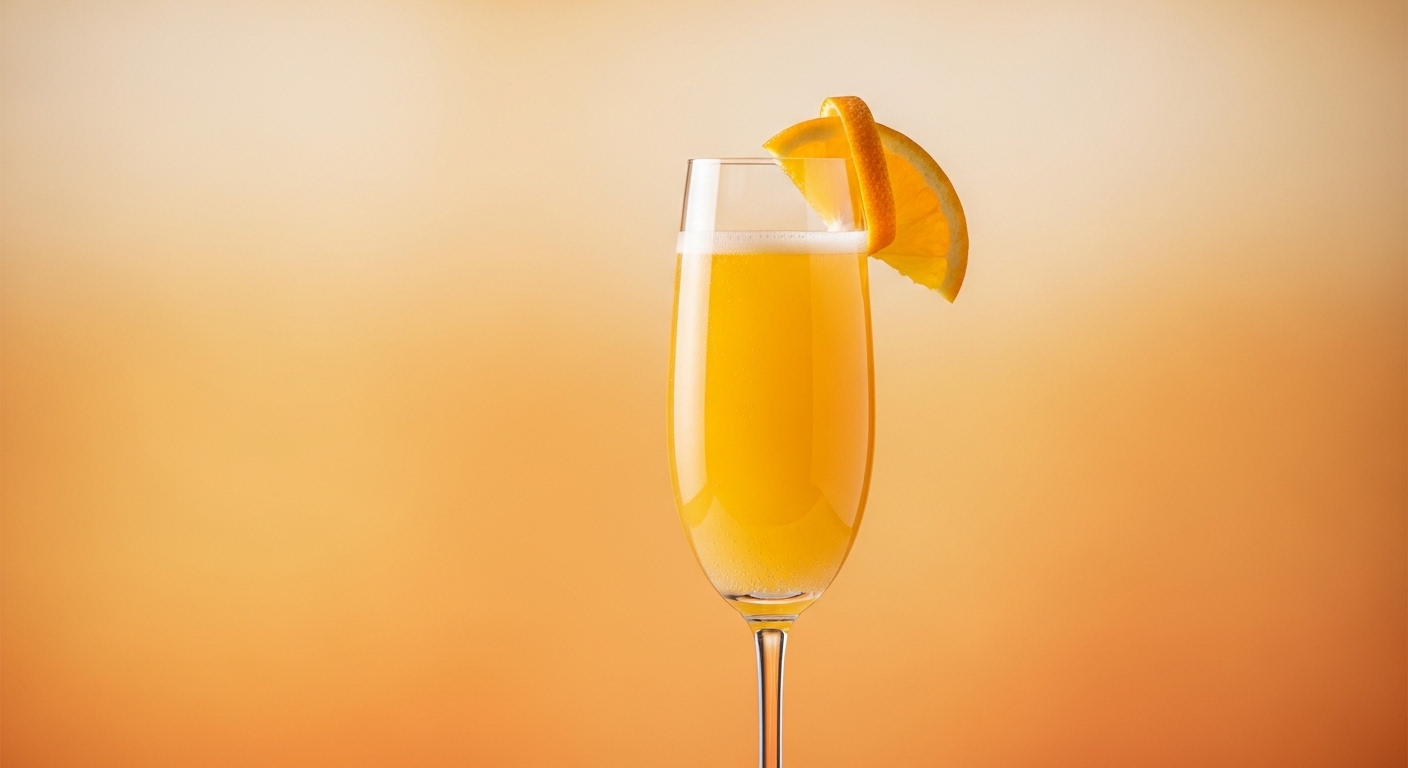
Imagine sipping on a drink that tastes like sunshine in a glass—crisp, bubbly, and bursting with citrusy brightness. That’s the magic of the Orange Champagne Mimosa, a dazzling twist on the classic mimosa beloved at brunches across America. With its golden-orange hue and effervescent fizz, this cocktail isn’t just refreshing—it’s Instagram-worthy and perfect for celebrations or lazy Sunday mornings. Whether you’re hosting a mimosa bar or looking for a sophisticated yet simple drink to elevate your next gathering, the Orange Champagne Mimosa delivers elegance and flavor in every sip.
Why You’ll Love This Recipe
- Taste: A harmonious blend of sweet orange juice and dry champagne creates a balanced, vibrant flavor profile.
- Simplicity: Ready in under 5 minutes—no complicated techniques or specialty tools required.
- Visual Appeal: Its radiant amber glow makes it a showstopper at any brunch table or holiday toast.
- Customizable: Easily adapted to suit dietary preferences or flavor preferences—try adding grenadine for depth or sparkling apple juice for a non-alcoholic version.
- Perfect for Sharing: Ideal for large groups, mimosa bars, or romantic breakfasts in bed.
The Origins of the Classic Mimosa (and Why It Evolved)
The traditional mimosa—champagne paired with chilled orange juice—originated in Parisian bistros during the early 20th century. But today, mixologists and home bartenders are reimagining it with fresh ingredients, creative garnishes, and bold twists. Enter the Orange Champagne Mimosa: not just a variation, but an evolution. By using freshly squeezed navel oranges instead of bottled juice, and pairing them with high-quality brut champagne, we unlock a brighter, more aromatic experience that captures the essence of a sunny morning.
Essential Ingredients for the Perfect Orange Champagne Mimosa
Gathering the right ingredients ensures your mimosas are consistently delicious and visually stunning. Here’s what you’ll need:
- Freshly squeezed orange juice – 6 oz (about 1½ cups) from 2–3 medium navel oranges
- Champagne or sparkling wine – 6 oz per serving; choose a dry brut or extra-secco for balance
- Lemon or lime wedge – for optional zest enhancement
- Garnish options:
- Sliced orange wheel
- Fresh mint sprig
- Edible flower (for a luxe touch)
Optional Add-ins & Variations:
- Cranberry orange mimosa: Add 1 oz cranberry juice to deepen color and tartness.
- Blood orange version: Use blood oranges for a rich, slightly earthy note.
- Non-alcoholic mimic: Replace champagne with premium sparkling water or lemon-lime soda.
Kitchen Tools You’ll Need
- Fine mesh strainer (to remove pulp)
- Chilled champagne flutes (essential for presentation!)
- Jigger or measuring cup
- Juicer or reamer (for fresh squeezing)
- Bar spoon or stirrer
- Serving pitcher (if making multiple servings at once)
Step-by-Step Instructions: How to Make Orange Champagne Mimosa
- Chill Everything: Place champagne flutes in the freezer for 10–15 minutes before serving. Cold glasses keep your mimosa crisp longer.
- Strain the Juice: Squeeze fresh oranges over a bowl, then strain through a fine sieve into another container to remove seeds and pulp. This ensures a smooth texture.
- Pour with Precision: Fill each chilled flute halfway with orange juice. Tap gently on the counter if needed to settle bubbles.
- Add Bubbles Last: Slowly pour chilled champagne down the side of the glass to preserve maximum carbonation. Aim for a 1:1 ratio of juice to bubbly.
- Garnish & Serve: Add an orange slice and a sprig of mint for flair. Present immediately while still frothy.
Pro tip: Never shake or stir vigorously—this breaks the foam and dulls the effervescence!
Pro Tips for Mastering the Orange Champagne Mimosa
- Use room-temperature oranges—they yield more juice and are easier to squeeze.
- Don’t overfill flutes—leave space at the top to accommodate rising bubbles.
- Layer ingredients carefully—pour juice first, then slowly add champagne to avoid splashing.
- Quality counts—opt for organic, cold-pressed orange juice and a well-balanced champagne to elevate taste.
- Batch prep ahead—make a large pitcher of juice 24 hours in advance; store in the fridge.
Creative Variations to Try Today
1. Spicy Blood Orange Mimosa
For a fiery kick, muddle a pinch of red pepper flakes with blood orange segments before adding juice and champagne. Garnish with a chili-lime wheel.
2. Citrus Sunrise Mimosa
Mix equal parts orange juice, pineapple juice, and a splash of grenadine. Top with prosecco and serve in a hurricane glass with a cherry skewered with a kiwi slice.
3. Low-Calorie Light Version
Substitute half-and-half or coconut milk with unsweetened almond milk and use sparkling mineral water instead of full-calorie champagne.
4. Holiday Pomegranate Mimosa
Blend pomegranate arils with orange juice and top with prosecco. Finish with a drizzle of honey and a few arils floating on top—festive and elegant.
What to Serve With Your Orange Champagne Mimosa
This sparkling cocktail pairs beautifully with light brunch fare. Think fluffy pancakes with maple syrup, avocado toast with smoked salmon, quiche Lorraine, or a charcuterie board featuring cured meats, goat cheese, and fresh fruit. For dessert, consider mini lemon tarts or chocolate-dipped strawberries to complement the citrus notes.
Storage & Reheating Tips
While champagne doesn’t “reheat” (that would ruin the bubbles!), you can prepare the orange juice component ahead of time:
- Store strained orange juice in an airtight container in the refrigerator for up to 48 hours.
- Never mix pre-made juice with champagne ahead of time—carbonation dissipates quickly.
- If storing for a mimosa bar later, keep juice separate and assemble just before serving.
Frequently Asked Questions (FAQ)
Can I make a non-alcoholic Orange Champagne Mimosa?
Absolutely! Use premium sparkling water or club soda in place of champagne. You can also add a splash of vanilla extract or ginger ale for extra complexity.
How long does leftover orange juice last?
Freshly squeezed orange juice lasts only 2–3 days in the fridge. For longer storage, freeze in ice cube trays and thaw as needed—perfect for cocktails!
Is there a difference between mimosa and mimosa cocktail?
Traditionally, “mimosa” refers to the flower. But in culinary terms, especially in North America, it’s commonly used to describe the champagne-orange juice drink—though purists may argue otherwise!
Can I use canned orange juice instead of fresh?
Yes, but fresh is always better. Bottled juice often contains preservatives and lacks the bright, natural aroma of fresh-squeezed. If using canned, opt for 100% pure no-pulp variety.
What kind of champagne works best?
Dry brut or extra-dry (extra-secco) champagnes like Moët & Chandon Brut, Dom Pérignon Vintage, or even affordable alternatives like Chandon work wonderfully without overpowering the citrus.
Final Thoughts: Toast to Simplicity and Flavor
The Orange Champagne Mimosa isn’t just a drink—it’s an experience. Crisp, celebratory, and effortlessly chic, it brings people together one sparkling sip at a time. Whether you’re kicking off a Mother’s Day brunch, ringing in New Year’s Eve, or simply treating yourself to a little luxury, this recipe delivers both joy and sophistication without the fuss.
So go ahead—grab your flutes, squeeze those oranges, and let the bubbles do the talking. Your guests (and your Instagram feed) will thank you.
Recipe Card
| Prep Time | 5 minutes |
| Cook Time | 0 minutes (no cooking required) |
| Total Time | 5 minutes |
| Servings | 1 |
| Calories | Approx. 180 (varies by champagne brand) |
| Cuisine | French-American / Brunch Cocktail |
| Course | Beverage, Cocktail, Brunch |