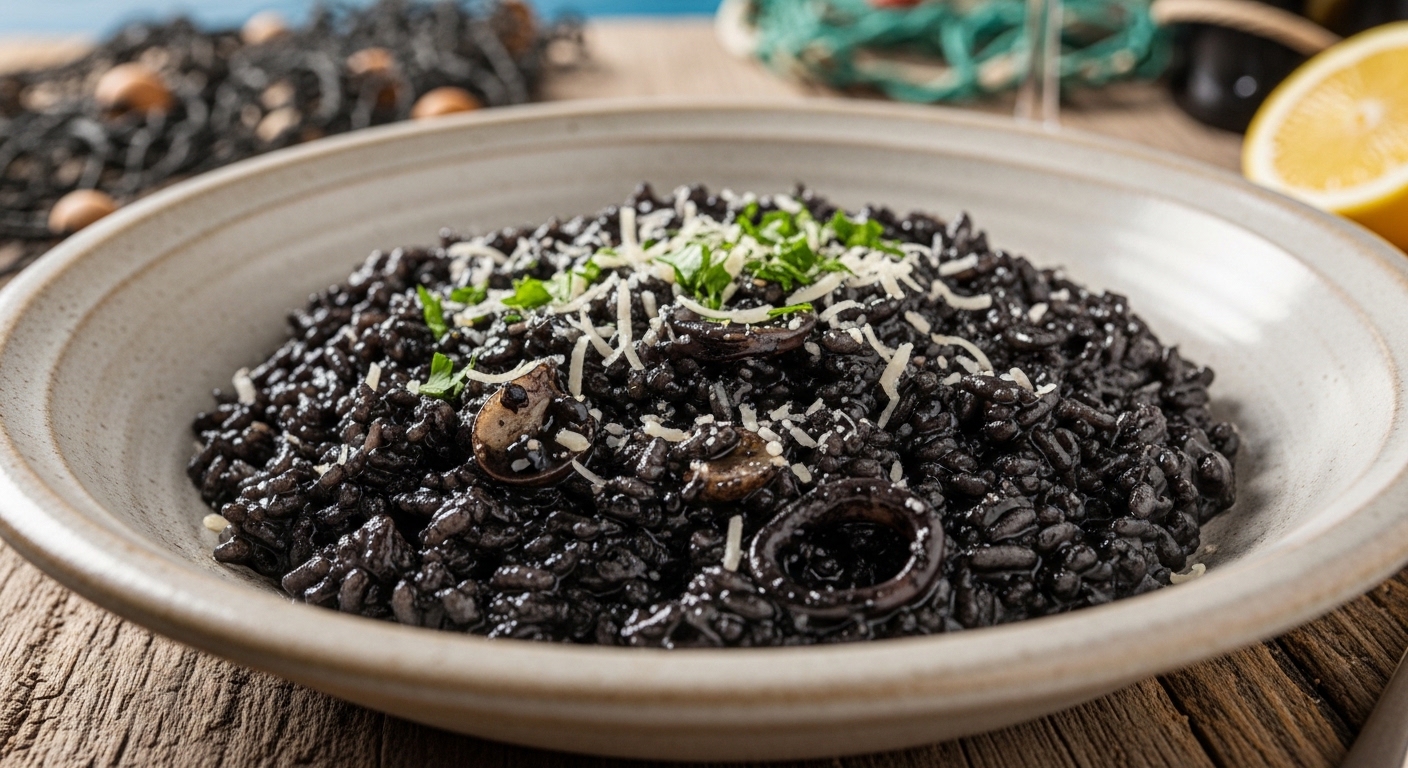
Have you ever tasted a risotto so rich and mysterious that its color alone tells a story? Croatian black risotto—also known as *crni rižot* in Croatian—is exactly that. With an intense, almost inky hue, this creamy, savory dish is made with cuttlefish or squid ink, creating a flavor profile that’s both earthy and oceanic. Unlike traditional white risottos, this version offers a bold twist rooted deep in coastal Croatian tradition. If you’re searching for a dish that’s visually stunning, deeply flavorful, and uniquely Mediterranean, then you’ve found it.
Originating from the coastal regions of Croatia—especially Dalmatia—black risotto has long been a favorite at seaside taverns and family gatherings. It’s not just about the squid ink; it’s about how that ink melts into rice, absorbing the essence of garlic, onions, tomatoes, and seafood while building layers of umami. The result? A luxurious, velvety texture with a subtle briny depth that lingers on the palate. Whether you’re hosting a dinner party or craving comfort food with a gourmet edge, this dish delivers both authenticity and elegance.
Why Croatian Black Risotto Stands Out
What makes Croatian black risotto different from other seafood risottos? First, the ink. Cuttlefish ink (or squid ink) isn’t just a coloring agent—it imparts a distinct marine flavor that’s hard to replicate. Second, the technique: slow cooking with constant stirring ensures each grain of arborio rice absorbs the broth and ink mixture evenly, achieving that signature creamy consistency without becoming mushy.
Additionally, this dish is deeply tied to local ingredients. Fresh Adriatic seafood, ripe tomatoes, olive oil from Istria, and aromatic herbs like parsley and thyme are staples. It’s a celebration of the sea meeting the land—a culinary bridge between coastal life and rustic tradition.
Quick Recipe Summary
- Prep Time: 15 minutes
- Cook Time: 30–35 minutes
- Total Time: 45–50 minutes
- Servings: 4
- Cuisine: Croatian / Mediterranean
- Course: Main Dish
- Calories (approx.): 380 per serving
Essential Ingredients for Authentic Croatian Black Risotto
To recreate this iconic dish at home, you’ll need fresh, high-quality ingredients. Here’s what to gather:
- 1 cup Arborio rice – The foundation of any great risotto, known for its high starch content.
- 4 cups fish or seafood stock – Warm and seasoned, never cold.
- 1 small onion, finely chopped – For aromatic base flavor.
- 3 cloves garlic, minced – Adds depth and pungency.
- 1/4 cup extra virgin olive oil – For sautéing and richness.
- 1/2 lb (225g) cleaned squid or cuttlefish – Sliced into rings or small pieces.
- 2 tbsp squid or cuttlefish ink – Found in specialty seafood markets or online.
- 1/2 cup dry white wine – Optional but recommended for acidity and complexity.
- 1 medium tomato, diced – Adds sweetness and body.
- Salt and freshly ground black pepper – To taste.
- Fresh parsley, chopped – For garnish.
Step-by-Step Cooking Instructions
- Prepare the stock: Heat the fish or seafood stock in a saucepan over low heat. Keep it simmering gently—never boil.
- Sauté aromatics: In a large, deep skillet or Dutch oven, heat olive oil over medium heat. Add onion and cook until translucent (about 5 minutes). Stir in garlic and cook for another minute.
- Add seafood: Toss in the squid or cuttlefish pieces and cook for 2–3 minutes until they turn opaque.
- Incorporate rice: Add the Arborio rice and stir well to coat each grain in oil. Toast for 1–2 minutes to develop nutty flavor.
- Deglaze with wine: Pour in the white wine and stir constantly until fully absorbed.
- Add ink and tomato: Mix in the squid ink and diced tomato. Stir to combine.
- Gradual broth addition: Begin adding warm stock one ladle at a time, stirring frequently. Wait until each addition is mostly absorbed before adding the next. Continue for 20–25 minutes until rice is al dente (tender but with a slight bite).
- Taste and adjust: Season with salt and pepper. Remove from heat and let rest for 2 minutes—this allows flavors to meld.
- Garnish and serve: Sprinkle with chopped parsley and serve immediately.
Chef Tips for Perfect Croatian Black Risotto
- Use warm stock: Cold stock slows down cooking and affects texture.
- Stir consistently: Constant motion helps release starch, creating creaminess.
- Don’t rush the process: Risotto is patient work. Let each ladle of broth be absorbed.
- Fresh ink is best: If using frozen ink paste, thaw and strain to remove any grit.
- Serve immediately: Risotto loses texture if left standing.
Common Mistakes to Avoid
- Overcooking the seafood: This leads to rubbery squid. Cook just until opaque.
- Skipping the toasting step: This removes raw flour taste and enhances nuttiness.
- Using water instead of stock: Water lacks flavor and won’t create the desired creaminess.
- Adding too much ink too soon: Start with 2 tbsp and adjust to taste.
Ingredient Substitutions & Variations
Not everyone has access to fresh squid ink or cuttlefish. Here’s how to adapt:
- Vegetarian version: Replace seafood with mushrooms (shiitake or oyster) and use vegetable stock. Add smoked paprika for depth.
- Vegan adaptation: Use coconut milk instead of stock, and omit seafood entirely. Add nutritional yeast for umami.
- Alternative protein: Shrimp or mussels can replace squid for variety.
- Ink substitute: If unavailable, use 1 tsp activated charcoal (food-grade) mixed with broth—but note flavor will differ slightly.
- Indian twist: Add turmeric, garam masala, and green chilies for a spicy, aromatic version.
- Lighter option: Reduce olive oil and use less ink for a milder black risotto.
Serving Suggestions
Croatian black risotto shines when paired thoughtfully:
- Bread: Serve with crusty sourdough or garlic bread for soaking up the sauce.
- Wine pairing: A crisp white wine like Pinot Grigio or Sauvignon Blanc complements the briny notes.
- Side dishes: Grilled vegetables, roasted fennel, or a simple arugula salad balance the richness.
- Garnishes: Extra parsley, lemon wedges, or a drizzle of truffle oil elevate presentation.
Storage & Reheating Instructions
While best enjoyed fresh, leftover risotto can be stored:
- Refrigeration: Store in an airtight container for up to 2 days.
- Reheating: Gently reheat on low heat, adding a splash of stock or water to restore creaminess. Stir constantly.
- Avoid microwave-only reheating: It can make the rice soggy.
Nutrition Facts (Approximate Per Serving)
- Calories: 380
- Protein: 16g
- Carbohydrates: 52g
- Fat: 12g
- Fiber: 2g
- Sodium: 680mg
Frequently Asked Questions (FAQs)
Is Croatian black risotto healthy?
Yes, especially when made with whole ingredients like fresh seafood, vegetables, and olive oil. It’s rich in protein and complex carbs, though portion control is key due to calorie density.
Can I make this without seafood?
Absolutely! A vegetarian or mushroom-based version works beautifully and still captures the essence of the dish with umami depth.
How do I know when the risotto is done?
The rice should be tender but still have a slight bite (al dente), and the texture should be creamy without being gluey. It clings to the spoon when stirred.
Where can I buy squid ink?
Check specialty seafood markets, Italian or Mediterranean grocery stores, or order online from trusted suppliers like Sur La Table or Amazon.
Why is my risotto watery?
This usually happens if you don’t stir enough or add stock too quickly. Be patient—each ladle should be absorbed before adding more.
Key Takeaways
- Croatian black risotto is a creamy, inky dish flavored with squid ink and seafood.
- It’s traditionally made with Arborio rice, seafood stock, and fresh squid or cuttlefish.
- The key to success lies in constant stirring and gradual broth addition.
- Variations exist for vegetarians, vegans, and those with dietary restrictions.
- Best served immediately, ideally with a crisp white wine and crusty bread.
Conclusion: Bring the Coast to Your Kitchen
Croatian black risotto isn’t just a meal—it’s an experience. From the moment you see that deep, mysterious black swirl hit the pot to the first creamy bite that explodes with oceanic flavor, it transports you straight to the sun-drenched shores of the Adriatic. While it may seem intimidating, mastering this dish is within reach with patience and practice.
Whether you’re a seasoned chef or a curious home cook, trying your hand at Croatian black risotto is more than just following a recipe—it’s connecting with centuries of coastal cuisine. So roll up your sleeves, grab that ink, and let the magic unfold. Your taste buds (and guests) will thank you.
Leave a Reply