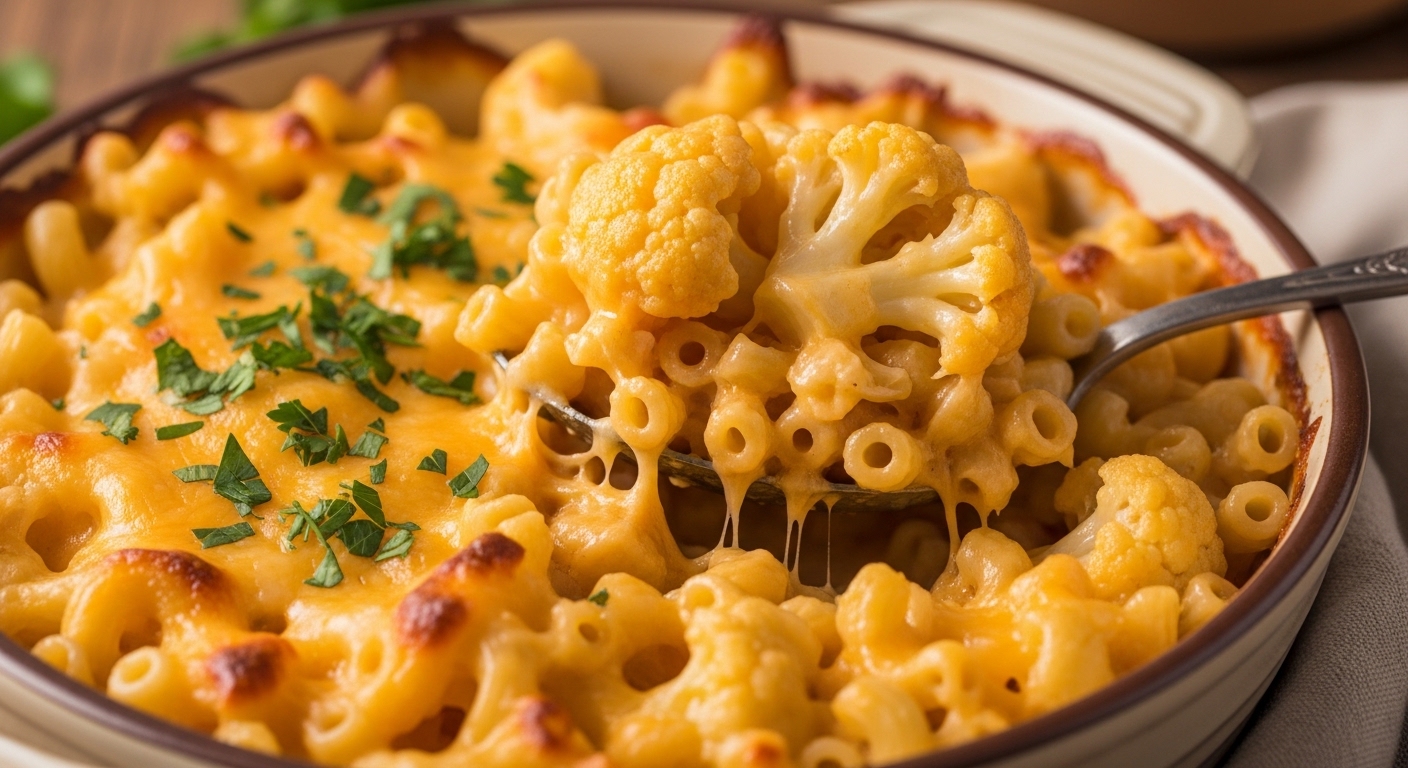
Cauliflower Mac and Cheese: Creamy Comfort with a Healthy Twist
There’s something undeniably comforting about a bowl of mac and cheese—warm, creamy, and rich with gooey cheese. But what if you could enjoy that same soul-warming satisfaction while cutting back on carbs and calories? Enter **cauliflower mac and cheese**—a clever, nutritious twist on the classic comfort dish that delivers all the flavor you love with a surprising dose of vegetables. Whether you’re looking for a lighter weeknight dinner, a crowd-pleasing side for potlucks, or a way to sneak veggies into your family’s favorite meal, this recipe delivers.
Made by blending roasted or steamed cauliflower into a silky cheese sauce, this version of mac and cheese maintains the creamy texture and cheesy goodness of traditional recipes—without the heavy starch load. It’s not just healthier; it’s deliciously indulgent. In this article, we’ll walk you through exactly how to make restaurant-quality **cauliflower mac and cheese** at home, with tips for perfect texture, foolproof cheese sauce, and creative variations. Let’s turn your next dinner into a celebration of comfort and nutrition.
Quick Recipe Summary Table
- Prep Time: 15 minutes
- Cook Time: 30 minutes
- Total Time: 45 minutes
- Servings: 4
- Cuisine: American (Comfort Food)
- Course: Main Dish, Side Dish
- Calories: ~380 per serving (approximate)
Why Cauliflower Mac and Cheese Is a Game Changer
Traditional mac and cheese is beloved for its simplicity and richness, but it’s often heavy on refined carbs and low in fiber. The **cauliflower mac and cheese** version swaps out heavy pasta for nutrient-dense cauliflower florets, which add vitamins C and K, antioxidants, and a satisfying crunch. Plus, the creaminess comes from blending the vegetable into the sauce—no need for heavy cream or extra butter.
This dish is perfect for:
– Health-conscious eaters who still crave comfort food
– People following low-carb or keto diets (when paired with gluten-free pasta)
– Parents trying to get kids to eat more vegetables
– Meal prep warriors seeking a balanced, flavorful option
And here’s the best part: even the pickiest eater won’t know the difference—because the cheese sauce remains incredibly smooth and decadent.
Ingredients You’ll Need
Here’s everything you’ll need to make a batch of creamy, dreamy **cauliflower mac and cheese**. All ingredients are common pantry staples, so you likely already have most of them at home.
For the Cauliflower Cheese Sauce:
- 1 medium head of cauliflower (about 6 cups florets)
- 2 tablespoons unsalted butter
- 2 tablespoons all-purpose flour
- 2 cups whole milk (or plant-based alternative like oat or almond milk)
- 1 cup shredded sharp cheddar cheese (plus extra for topping)
- ½ cup shredded Gruyère or Swiss cheese
- ¼ teaspoon garlic powder
- ¼ teaspoon onion powder
- Salt and freshly ground black pepper to taste
For the Pasta:
- 12 ounces elbow macaroni (or any short pasta)
- Pinch of salt for boiling water
Optional Toppings & Extras:
- 2 tablespoons breadcrumbs (plain or panko)
- 1 tablespoon grated Parmesan
- Fresh chives or parsley, chopped
- Bacon bits (for non-vegetarian version)
Step-by-Step Instructions
Follow these simple steps to create the creamiest **cauliflower mac and cheese** you’ve ever tasted.
Step 1: Cook the Pasta
Bring a large pot of salted water to a boil. Add the elbow macaroni and cook according to package instructions until al dente—usually about 7–9 minutes. Drain well and set aside. (If you prefer a fully blended texture, you can skip this step and use gluten-free or whole wheat pasta.)
Step 2: Steam or Roast the Cauliflower
While the pasta cooks, prepare the cauliflower. You can either steam it or roast it for deeper flavor.
– Steaming method: Place cauliflower florets in a steamer basket over simmering water. Cover and steam for 8–10 minutes until fork-tender.
– Roasting method: Preheat oven to 425°F (220°C). Toss cauliflower with 1 tablespoon olive oil, salt, and pepper. Spread on a baking sheet and roast for 20–25 minutes until golden and tender.
Step 3: Make the Cheese Sauce Base
In a large saucepan or Dutch oven, melt the butter over medium heat. Once melted, whisk in the flour to form a roux. Cook for 1–2 minutes, stirring constantly, until it smells nutty and foamy.
Slowly pour in the milk, whisking continuously to avoid lumps. Bring to a gentle simmer and cook for 3–4 minutes until the sauce thickens slightly.
Step 4: Blend in Cauliflower and Seasonings
Add the cooked (and cooled slightly) cauliflower florets to the saucepan. Use an immersion blender or transfer to a regular blender to puree until completely smooth. If using a blender, let it cool slightly first—hot liquids expand when blended.
Return the blended mixture to the stove. Stir in garlic powder, onion powder, salt, and pepper. Cook for another minute.
Step 5: Add the Cheese
Remove the saucepan from heat. Gradually stir in the shredded cheddar and Gruyère, one handful at a time, until fully melted and creamy. Taste and adjust seasoning if needed.
Step 6: Combine Pasta and Sauce
Add the drained pasta to the cheese sauce. Toss gently until every noodle is coated. Transfer to a greased 9×13-inch baking dish.
Step 7: Bake and Broil (Optional)
For a golden, bubbly top, sprinkle extra cheese and breadcrumbs over the mac and cheese. Bake at 375°F (190°C) for 15–20 minutes, or broil for 2–3 minutes until the top turns golden brown.
Step 8: Serve Immediately
Let rest for 5 minutes before serving. Garnish with fresh herbs, a sprinkle of black pepper, or crispy bacon bits for extra flavor.
Chef Tips for Perfect Cauliflower Mac and Cheese
Want to take your **cauliflower mac and cheese** to the next level? Here are pro-level secrets:
- Don’t skip the roux: The flour-butter base gives the sauce body and prevents it from becoming too thin.
- Blend while warm: For the smoothest sauce, blend the cauliflower when it’s still warm—not hot—to reduce splashing and ensure a silky texture.
- Use room-temperature cheese: Cutting cheese into small cubes and letting it sit before adding helps it melt evenly without clumping.
- Reserve pasta water: If the sauce seems too thick after mixing, add a splash of the starchy pasta water to help bind everything together.
- Go full vegetarian: Use plant-based butter and milk for a vegan version—it works surprisingly well.
Common Mistakes to Avoid
Even experienced cooks can stumble here. Watch out for these pitfalls:
- Lumpy sauce: Always whisk the milk into the roux slowly, and use an immersion blender for the cauliflower.
- Gummy pasta: Don’t overcook the macaroni—it should be al dente since it will continue cooking in the oven.
- Bitter cauliflower: Avoid over-blending or burning the cauliflower during roasting. Keep an eye on it!
- Underseasoned: Taste and adjust salt and pepper at multiple stages—before and after adding cheese.
Ingredient Substitutions and Variations
Make this recipe your own with these swaps:
Pasta Alternatives:
- Gluten-free elbow pasta
- Whole wheat shells or penne
- Or skip pasta entirely for a cauliflower mac and cheese bake (just increase cauliflower to 8 cups).
Cheese Options:
- Mozzarella for stretchiness
- Parmesan and provolone for a tangy kick
- Smoked gouda for a deep, savory flavor
Vegetarian or Vegan Version:
- Use plant-based butter and milk
- Replace cheese with nutritional yeast and cashew cream
- Add turmeric for color and umami depth
Indian-Inspired Twist:
- Stir in garam masala, cumin, and green chilies
- Top with toasted paneer or chickpeas
- Serve with naan on the side
Serving Suggestions
Pair your **cauliflower mac and cheese** with:
– A crisp Caesar salad with lemon vinaigrette
– Roasted Brussels sprouts or green beans
– Garlic bread or crusty sourdough
– A glass of chilled white wine or sparkling water with lime
It’s equally delicious as a main course for busy families or a show-stopping side at holiday dinners.
Storage and Reheating Instructions
Refrigeration:
Store leftovers in an airtight container in the fridge for up to 4 days. The sauce may thicken—add a splash of milk when reheating.
Freezing:
You can freeze unbaked mac and cheese for up to 3 months. Thaw overnight in the fridge, then bake as directed, adding 5–10 extra minutes.
Reheating:
– Stovetop: Warm gently over low heat with a bit of milk, stirring often.
– Oven: Cover with foil and reheat at 350°F (175°C) for 20–25 minutes.
– Microwave: Best in short intervals (30 seconds), stirring in between.
Nutrition Facts (Approximate Per Serving)
- Calories: 380
- Protein: 16g
- Carbohydrates: 42g
- Fiber: 4g
- Sugar: 6g
- Fat: 18g
- Saturated Fat: 10g
- Cholesterol: 45mg
- Sodium: 480mg
- Calcium: 280mg
Key Takeaways
- Cauliflower mac and cheese is a nutritious upgrade on a comfort classic.
- The key to creaminess is blending steamed cauliflower into the cheese sauce.
- Customize with different cheeses, pastas, and toppings for variety.
- It reheats beautifully and makes excellent leftovers.
- This dish is perfect for health-conscious eaters and families alike.
FAQs
1. Can I make cauliflower mac and cheese without a blender?
Yes! An immersion blender works great, but if you don’t have one, you can mash the cauliflower with a potato masher or fork before adding it to the sauce. It won’t be as smooth, but it will still taste delicious.
2. Is cauliflower mac and cheese keto-friendly?
Yes, especially if you skip the pasta and focus on cauliflower. For a true keto version, use only cauliflower florets in the sauce and serve with a protein like grilled chicken or baked salmon.
3. How do I keep the sauce from separating?
Always add cheese gradually and off the heat. Also, avoid boiling the sauce vigorously after adding the cauliflower puree—low and slow is best.
4. Can I use frozen cauliflower?
Absolutely. Just thaw and drain excess moisture before blending to prevent a watery sauce.
5. Why does my cauliflower taste bitter?
Overcooked or burnt cauliflower can develop a bitter flavor. Steam or roast it just until tender, and don’t char it too much.
Conclusion: Comfort Redefined
Cauliflower mac and cheese isn’t just a diet hack—it’s a celebration of flavor, texture, and nourishment. By blending wholesome vegetables into a rich cheese sauce, we’ve created a dish that satisfies cravings without compromising on nutrition. Whether you’re meal prepping, impressing guests, or simply treating yourself to something cozy, this recipe delivers on every front.
So grab that head of cauliflower, fire up your stove, and get ready to fall in love with mac and cheese—the smart, delicious way. Your taste buds (and your body) will thank you.