Bitterballen Dinner Plate: The Ultimate Dutch Comfort Food Experience
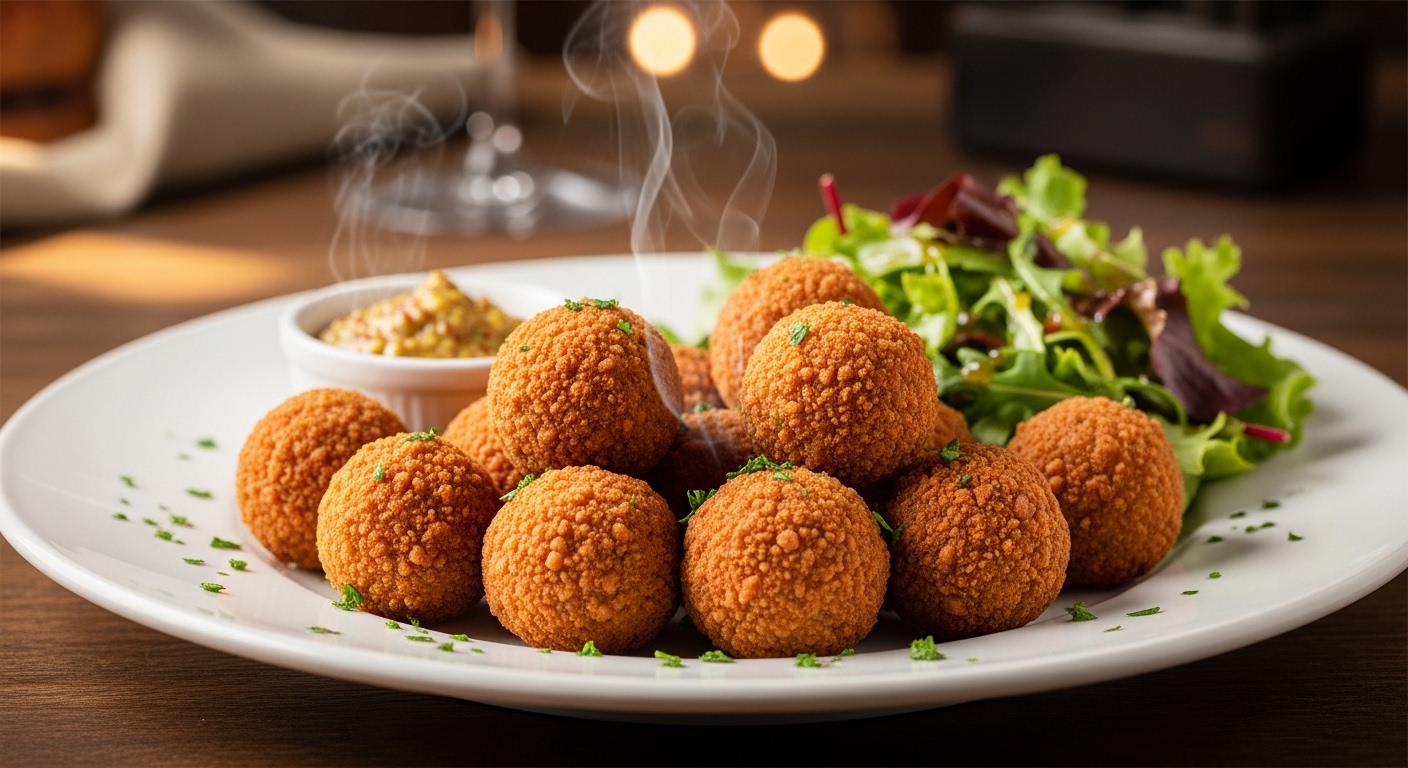
Looking for a dish that combines rich, creamy flavors with crispy perfection? The Bitterballen dinner plate delivers an irresistible blend of tender beef ragout wrapped in puffy pastry and golden-fried to golden-brown glory. Originating from 19th-century Netherlands as a way to use leftover meat, bitterballen has become one of the country’s most beloved comfort foods—especially when served as part of a hearty dinner plate.
This iconic snack is more than just mincemeat in pastry; it’s a cultural icon that pairs perfectly with mustard, pickles, and dark beer. Whether you’re hosting friends or treating yourself after a long day, a well-prepared bitterballen dinner plate brings warmth, nostalgia, and pure culinary joy. Let’s dive into how to recreate this Dutch classic at home with authentic taste and restaurant-quality flair.
Quick Recipe Summary Table
| Prep Time | Cook Time | Total Time | Servings | Cuisine | Course | Calories (Approx.) |
|---|---|---|---|---|---|---|
| 45 minutes | 20 minutes | 1 hour 5 minutes | 6 | Dutch | Main Course / Snack | 320 per serving |
What Makes Bitterballen So Irresistible?
Bitterballen are essentially small, deep-fried meatballs filled with slow-cooked beef ragout, coated in breadcrumbs, and served hot straight from the fryer. Their name comes from the slightly bitter flavor imparted by nutmeg and allspice—ingredients commonly used in traditional Dutch ragouts. What sets them apart isn’t just the filling, but the texture: a soft, savory interior contrasted with a crunchy exterior that shatters delightfully on first bite.
Traditionally enjoyed as a bar snack or late-night nibble, bitterballen have evolved into a full-course experience when plated as part of a dinner spread. A proper bitterballen dinner plate includes not only the fried balls themselves but also complementary sides like mustard, gherkins, boiled potatoes, and even a slice of rye bread or warm pretzel. This combination creates a satisfying meal that’s both comforting and sophisticated.
Ingredients You’ll Need for Authentic Bitterballen
- For the Filling:
- 500g ground beef (preferably chuck)
- 2 tbsp butter
- 1 small onion, finely diced
- 2 garlic cloves, minced
- 1 tbsp all-purpose flour
- 300ml beef stock
- 1 tsp ground nutmeg
- ½ tsp ground white pepper
- Salt to taste
- 1 tbsp Worcestershire sauce (optional but traditional)
- For Assembly & Frying:
- 1 egg yolk
- 100g fresh breadcrumbs
- Flour for dusting
- Oil for deep frying (vegetable or canola)
- Sea salt for sprinkling
Step-by-Step Cooking Instructions
- Prepare the Ragout: Heat butter in a heavy-bottomed pan over medium heat. Add onions and sauté until translucent. Stir in garlic and cook for another minute. Sprinkle flour over the mixture and stir constantly for 2 minutes to form a roux.
- Add Liquid and Seasonings: Gradually pour in beef stock while whisking to avoid lumps. Bring to a simmer and let it reduce by half. Add ground beef, nutmeg, white pepper, salt, and Worcestershire sauce. Cook uncovered for 15–20 minutes until thickened and fully cooked through.
- Cool and Chill: Transfer the ragout to a shallow container, cover with plastic wrap directly on its surface to prevent skin formation, and refrigerate for at least 2 hours—ideally overnight. This chilling step is crucial for firmness.
- Form the Balls: Scoop out portions using a melon baller or small ice cream scoop. Roll each portion between your palms to form smooth, compact spheres. Place on a parchment-lined tray.
- Coat Thoroughly: Beat egg yolk lightly. Dip each ball into flour, then roll in breadcrumbs, pressing gently to ensure even coating. Return to the tray and refrigerate again for 15 minutes before frying.
- Deep Fry to Perfection: Heat oil to 175°C (347°F) in a deep fryer or large pot. Carefully add bitterballen in batches, frying for 3–4 minutes until golden brown and crisp. Drain on paper towels and sprinkle generously with sea salt immediately after frying.
- Serve Immediately: Arrange on a warm dinner plate alongside mustard, pickled onions, boiled potatoes, and crusty bread.
Chef Tips for Perfect Bitterballen
- Chill Aggressively: Don’t skip the refrigeration step—it prevents the balls from falling apart during frying.
- Use Fresh Breadcrumbs: Avoid stale ones; they absorb too much oil and lose crunch.
- Don’t Overcrowd the Pan: Fry in small batches to maintain oil temperature and ensure uniform browning.
- Season Generously: Nutmeg is non-negotiable—it defines the Dutch essence of bitterballen.
- Serve Hot:** Eaten within 10 minutes of frying for maximum texture contrast.
Common Mistakes to Avoid
- Using Too Much Flour in the Roux: Can make the filling dry and gritty.
- Skipping the Chill Time: Leads to crumbling during handling or frying.
- Poor Coating Technique: Incomplete breadcrumb coverage results in uneven frying.
- High Oil Temperature: Causes rapid browning without proper internal cooking.
- Serving Cold:** Loses the signature “pop” sensation that makes bitterballen addictive.
Variations & Substitutions
- Vegetarian Version: Replace beef with lentils, mushrooms, and smoked paprika for a meatless alternative.
- Indian-Inspired Twist: Use spiced lamb or paneer filling with garam masala, cumin, and coriander.
- Lighter Option: Bake instead of fry—brush coated balls with oil and bake at 200°C (392°F) for 20–25 minutes, flipping halfway.
- Gluten-Free:** Use certified GF breadcrumbs and flour blends.
- Smoked Fish Variant: Substitute beef ragout with smoked salmon and cream cheese for a luxurious take.
Serving Suggestions for Your Bitterballen Dinner Plate
A true Dutch dining experience means more than just the bitterballen themselves. Elevate your bitterballen dinner plate with these classic accompaniments:
- Dijon Mustard: Always served in a small bowl—never dip directly!
- Gherkins or Pickled Red Onions: Cut into thin slices for tangy contrast.
- Boiled New Potatoes: Tossed in butter and parsley for earthiness.
- Rye Bread or Warm Pretzels: Perfect for soaking up extra mustard or gravy.
- Dark Lager or Jenever: Traditional Dutch beers complement the richness beautifully.
Storage & Reheating Instructions
Storing: Cooled bitterballen can be frozen raw (before frying) for up to 1 month. Fry directly from frozen—no need to thaw—but increase frying time by 1–2 minutes.
Reheating: For best results, reheat in an air fryer at 180°C (356°F) for 5–7 minutes. Avoid microwaving—it softens the crust.
Nutrition Facts (Approximate Per Serving)
- Calories: 320 kcal
- Protein: 18g
- Carbohydrates: 12g
- Fat: 24g
- Saturated Fat: 8g
- Cholesterol: 95mg
- Sodium: 480mg
- Fiber: 1g
Key Takeaways
- Bitterballen originated in the Netherlands as a clever way to use leftover meat.
- The secret to perfect bitterballen lies in chilling the ragout before shaping.
- Authentic service includes mustard, pickles, and warm sides on the dinner plate.
- Proper frying technique ensures a crispy shell and creamy interior.
- Customizable versions exist for dietary preferences—vegan, gluten-free, or spicy.
Frequently Asked Questions (FAQ)
1. Can I make bitterballen ahead of time?
Yes! You can prepare the ragout and shape the balls up to 2 days in advance. Keep them chilled and fry just before serving for the best texture.
2. Why do my bitterballen fall apart when frying?
This usually happens if the filling wasn’t chilled long enough or if the breadcrumb coating is too thin. Ensure proper chilling and double-coat if necessary.
3. Is bitterballen healthy?
It’s a rich, indulgent snack due to frying and high-fat ingredients. Enjoy in moderation as part of a balanced diet—or try the baked version for a lighter option.
4. What’s the difference between bitterballen and kroketten?
They’re similar but not identical. Kroketten are typically made with béchamel-based ragout and are often larger and softer, while bitterballen use meat ragout and are always deep-fried.
5. Where can I buy ready-made bitterballen?
Many Dutch supermarkets and specialty stores sell pre-made frozen bitterballen. However, homemade versions are far superior in flavor and texture.
Conclusion: Bring the Netherlands Home Tonight
There’s something magical about biting into a freshly fried bitterballen—the satisfying crackle, the burst of savory ragout, and the comforting familiarity of a timeless recipe. Whether you’re recreating a childhood memory, impressing guests, or simply craving cozy comfort food, your bitterballen dinner plate will deliver on every front.
With this detailed guide, you now have everything needed to master this Dutch staple—from ingredient selection to plating finesse. So gather your spices, fire up the stove, and get ready to enjoy a truly unforgettable bite. Your dinner guests won’t believe how easy it was to serve restaurant-worthy bitterballen at home!