Belgian Carbonnade: A Hearty Beef Stew Rooted in Belgian Tradition
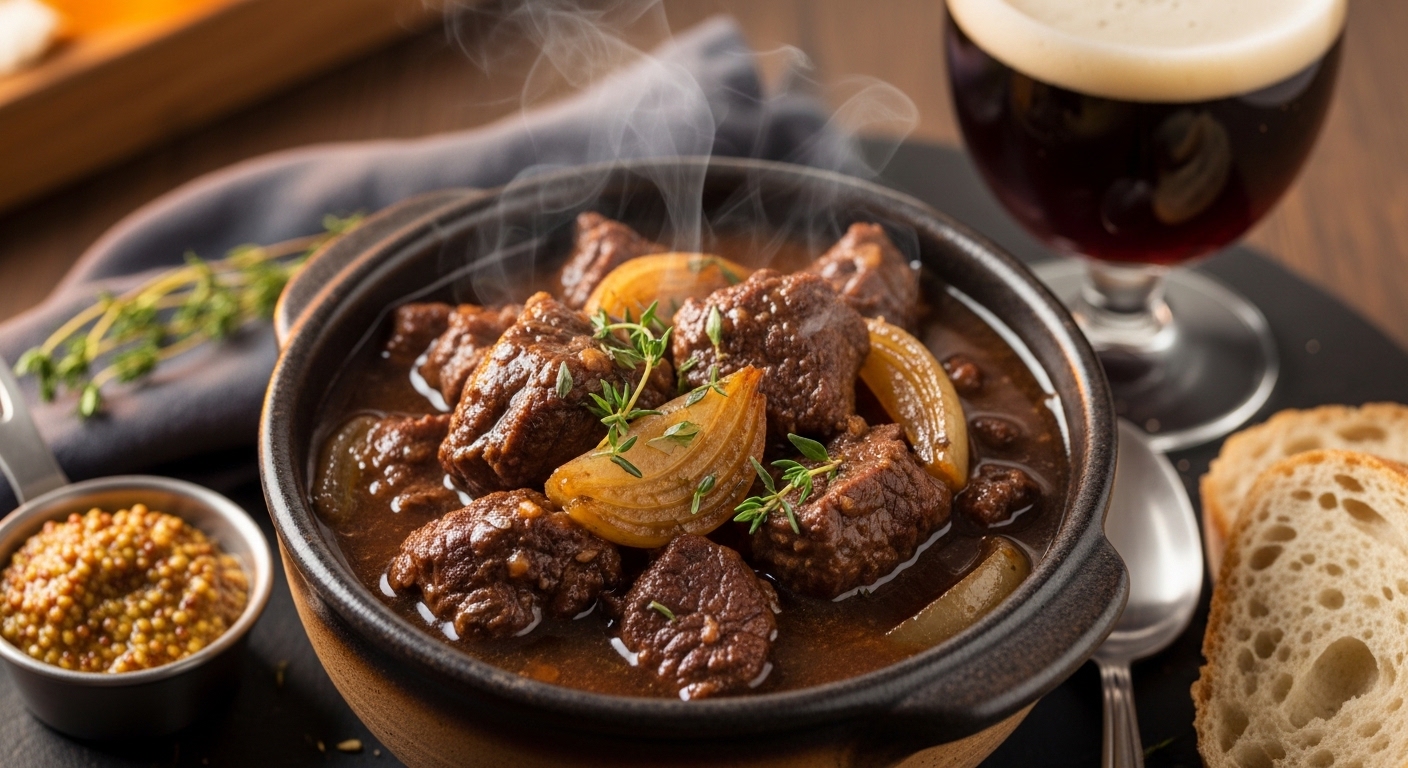
Imagine a rich, dark stew simmering for hours, its deep brown gravy glistening with caramelized onions and slow-cooked beef. That’s the soul of Belgian Carbonnade, a beloved comfort dish that warms hearts and stomachs across Belgium and beyond. This savory masterpiece is more than just a meal—it’s a cultural icon, often served during family gatherings or cozy winter evenings. The name “Carbonnade” comes from the French word *carbone*, meaning charcoal, referencing the traditional cooking method over an open flame. But today, we cook it slowly on the stove, letting the flavors meld into something truly special.
If you’ve ever wondered what makes this dish so irresistible, it all starts with simplicity and time. Tender beef, sweet onions, dark beer, and a touch of sugar create a balance of umami, sweetness, and depth that lingers long after the last spoonful. Whether you’re new to Belgian cuisine or a seasoned foodie, learning how to make authentic Belgian Carbonnade opens the door to a world of rich flavors and comforting warmth.
Key Takeaways
- Belgian Carbonnade is a slow-cooked beef stew traditionally made with beef, onions, dark beer, and sugar.
- The dish originates from Wallonia (French-speaking Belgium) and is often served with fries or bread.
- Authentic flavor comes from using a full-bodied dark beer like Belgian dubbel or brown ale.
- Cooking low and slow allows the meat to become melt-in-your-mouth tender.
- This recipe can be adapted for vegetarian or gluten-free diets with simple swaps.
Quick Recipe Summary
| Prep Time | Cook Time | Total Time | Servings | Cuisine | Course | Calories (approx.) |
|---|---|---|---|---|---|---|
| 20 minutes | 3 hours | 3 hours 20 minutes | 4-6 | Belgian | Main Course | 450 kcal |
What Is Belgian Carbonnade?
Belgian Carbonnade, also known as *Carbonnade Flamande*, is a rustic beef stew that embodies the heartiness of Belgian farmhouse cooking. Unlike French boeuf bourguignon, which uses red wine, Carbonnade relies on dark beer—typically a Belgian-style brown or dubbel—to create its signature deep color and complex flavor. The dish is deeply rooted in Flemish culinary tradition and is especially popular in the southern, French-speaking region of Belgium.
The magic of Carbonnade lies in its simplicity. Thinly sliced beef (often flank steak or chuck), caramelized onions, a generous pour of dark beer, a pinch of sugar, and a bay leaf are all it takes. When cooked slowly, these ingredients transform into a velvety, aromatic gravy that clings to every piece of meat. Traditionally, the dish is served with crusty bread or Belgian fries, making it a complete, satisfying meal.
What sets this recipe apart from other stews is the role of beer. Not just any beer will do—Belgian brewers know their craft, and using a rich, malty dark beer adds layers of flavor that wine cannot replicate. The slight bitterness from hops balances the sweetness of the onions and sugar, creating a harmonious taste profile that’s both robust and refined.
Ingredients You’ll Need for Authentic Belgian Carbonnade
To make the perfect Belgian Carbonnade, gather these high-quality ingredients. Precision in measurements ensures the right balance of flavors.
For the Stew:
- 1.5 lbs (700g) beef flank steak or chuck roast – Cut into 1-inch cubes. Choose meat with good marbling for tenderness.
- 3 large yellow onions – Thinly sliced. Yellow onions provide the classic sweet base.
- 1 bottle (330ml/12 oz) Belgian dark beer – Look for brands like Duvel, Leffe Brune, or Chimay. Avoid light lagers.
- 2 tablespoons vegetable oil or butter – For browning the meat and sautéing onions.
- 1 tablespoon dark brown sugar – Enhances caramelization and balances acidity.
- 1 teaspoon whole black peppercorns – Adds subtle spice and aroma.
- 2 bay leaves – Classic herbal note; remove before serving.
- Salt and freshly ground black pepper – To taste.
- Optional: 1 cup beef broth – If the stew becomes too thick.
For Serving (Traditional Pairings):
- Crusty Belgian-style bread or pretzel rolls
- Belgian fries (steak fries)
- Pickles or cornichons for tangy contrast
Step-by-Step Cooking Instructions
Follow these clear, beginner-friendly steps to prepare a restaurant-quality Belgian Carbonnade at home.
- Prepare the Meat: Pat the beef dry with paper towels and season generously with salt and pepper. Heat oil in a heavy-bottomed Dutch oven or large pot over medium-high heat. Sear the beef cubes in batches until deeply browned on all sides. Remove and set aside.
- Caramelize the Onions: In the same pot, add more oil if needed. Add the sliced onions and cook over medium-low heat for 15–20 minutes, stirring occasionally, until golden brown and soft. Sprinkle the brown sugar over the onions during the last 5 minutes to enhance caramelization.
- Deglaze with Beer: Pour the dark beer into the pot, scraping up any browned bits from the bottom—this builds flavor. Let it simmer for 2–3 minutes to reduce slightly.
- Combine and Simmer: Return the beef to the pot. Add peppercorns and bay leaves. Stir well, then bring to a gentle boil. Reduce heat to low, cover, and let it simmer for 2.5 to 3 hours, stirring occasionally. The meat should be fork-tender and falling apart.
- Adjust Consistency: If the stew is too thick, add warm beef broth 1/4 cup at a time until desired consistency is reached. Taste and adjust seasoning with salt and pepper.
- Strain and Serve: Remove bay leaves. For a smoother gravy, you may strain the liquid through a fine mesh sieve, then return it to the pot. Serve hot with bread or fries.
Chef Tips for Perfect Belgian Carbonnade
- Don’t rush the sear: Browning the meat creates fond (the flavorful crust at the bottom of the pan), which is essential for depth.
- Use room temperature onions: They cook more evenly and prevent scorching.
- Let it rest: Allow the stew to sit for 10 minutes after cooking—it helps flavors meld and makes serving easier.
- Invest in good beer: The beer is the soul of this dish. Cheap or light beers lack the malt depth needed.
- Slice beef against the grain: This ensures maximum tenderness, especially with flank steak.
Common Mistakes to Avoid
- Using light beer or non-alcoholic substitutes: These lack body and complexity. If avoiding alcohol, use unsweetened apple juice or beef stock instead—but expect a different flavor.
- Overcooking the onions: They should be soft and sweet, not bitter or black.
- Skipping the sugar: A touch of brown sugar is crucial to balance the beer’s bitterness and enhance the onions’ sweetness.
- Rushing the simmer: Low and slow is key. High heat can toughen the meat and evaporate too much liquid.
Ingredient Substitutions & Variations
Belgian Carbonnade is flexible. Here’s how to adapt it to your dietary needs or preferences:
- Vegetarian/Vegan Version: Use king oyster mushrooms instead of beef, and substitute beer with vegetable broth + soy sauce for umami. Add smoked paprika for richness.
- Gluten-Free: Ensure your beer is gluten-free certified. Most Belgian ales contain barley, but many now offer GF options.
- Indian-Inspired Twist: Add curry powder, ginger, garlic, and tomatoes. Serve with rice or naan.
- Healthier Light Version: Use leaner cuts like sirloin, reduce sugar, and serve with steamed vegetables instead of fries.
- Spicy Variation: Add a splash of stout beer and a pinch of chili flakes for heat.
Serving Suggestions
Authentic Belgian Carbonnade shines when paired thoughtfully. Traditionally, it’s eaten with:
- Crusty bread or baguette slices: Soak up the rich gravy—essential for true Belgians.
- Belgian fries: Crispy on the outside, fluffy inside. Double-fry for best results.
- Pickled vegetables: Cornichons or gherkins cut into sticks provide a sharp contrast.
- A crisp Belgian white beer: Like Kriek (cherry lambic) or Saison to cleanse the palate.
Storage & Reheating Instructions
- Refrigeration: Store in an airtight container for up to 4 days.
- Freezing: Best for up to 3 months. Thaw overnight in the fridge.
- Reheating: Warm gently on the stove over low heat, adding a splash of broth or water if needed. Avoid microwaving—it can make the meat rubbery.
Nutrition Facts (Approximate per Serving)
- Calories: 450 kcal
- Protein: 32g
- Fat: 18g
- Carbohydrates: 22g
- Fiber: 2g
- Sugar: 8g
- Sodium: 650mg
FAQs About Belgian Carbonnade
1. Can I use a different type of meat?
Yes, though beef is traditional. Lamb or pork shoulder can work, but they may require shorter cooking times and won’t absorb the beer flavor as deeply.
2. What if I don’t have Belgian beer?
You can substitute with a strong, dark English ale like Newcastle Brown Ale or even a porter. Avoid light lagers or IPAs, as they won’t provide the necessary depth.
3. How do I make it spicier?
Add a chopped jalapeño with the onions, or stir in a teaspoon of hot sauce at the end. Smoked paprika also adds warmth without overwhelming the flavor.
4. Why is sugar added to the stew?
The sugar balances the bitterness of the beer and enhances the natural sweetness of the caramelized onions. It’s a classic technique in Belgian cooking to create harmony.
5. Can I make it ahead of time?
Absolutely! In fact, the flavor improves after resting. Make it a day ahead, refrigerate, and reheat gently. The fat will solidify on top—skim it off before serving.
Conclusion: Bring Belgium Home with Every Spoonful
Belgian Carbonnade isn’t just a recipe—it’s a journey into the heart of Belgian hospitality. With its rich history, comforting flavors, and simple ingredients, this stew invites you to slow down, savor each bite, and connect with centuries-old culinary traditions. Whether you’re hosting a dinner party or seeking solace on a cold evening, this dish delivers warmth in every spoonful.
So roll up your sleeves, fire up the stove, and let the aroma of sizzling onions and dark beer fill your kitchen. Your plate won’t just look delicious—it will taste like a cozy night in Bruges, a family gathering in Liège, or a quiet moment of culinary joy. Trust us: once you try authentic Belgian Carbonnade, you’ll want to make it again and again.
Now it’s your turn—grab those ingredients, embrace the process, and create a memory worth savoring.