Bavarian Meatballs: A Hearty German Classic That Warms the Soul
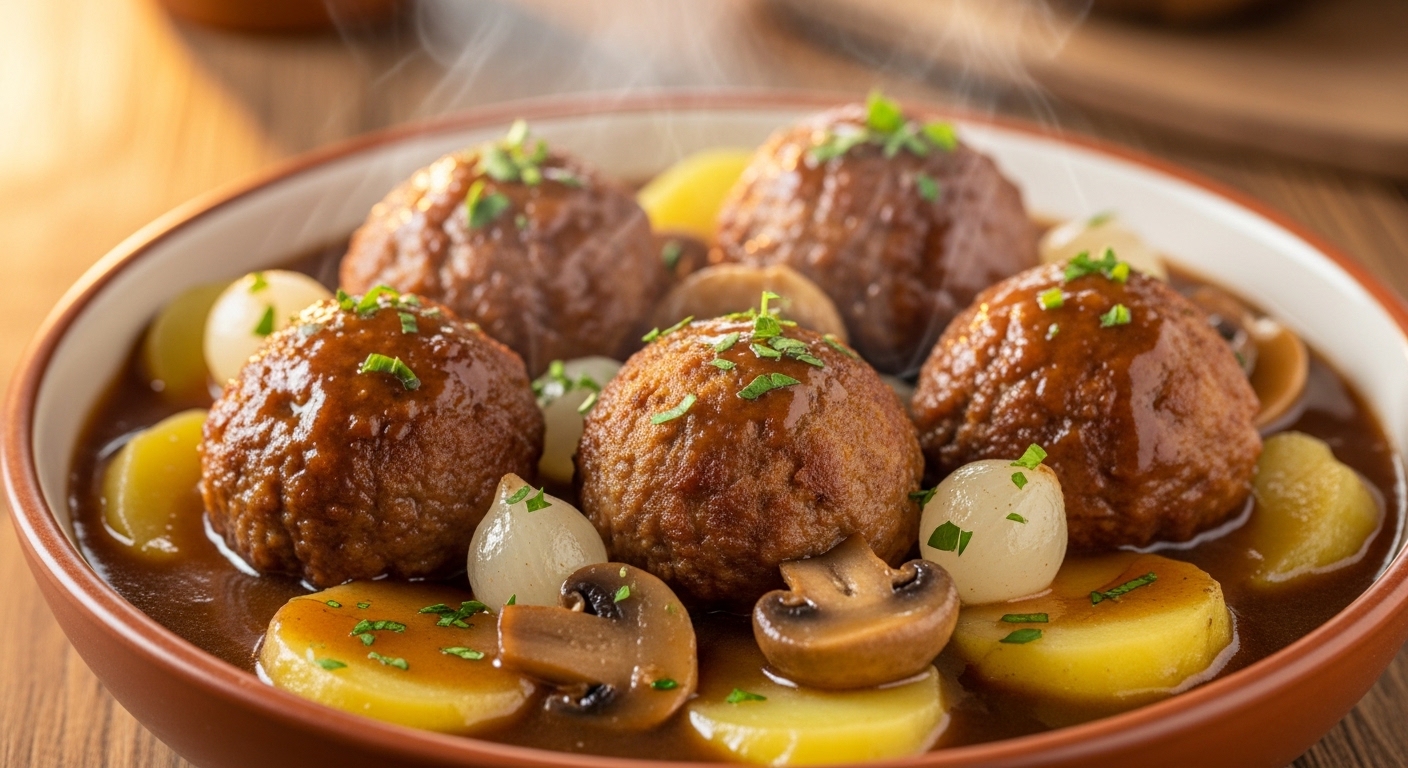
Imagine a cozy evening, the scent of sizzling onions and garlic filling your kitchen, followed by the rich aroma of meatballs simmering in a tangy tomato sauce. That’s Bavarian meatballs—a beloved German comfort dish known for its juicy, flavorful balls made from spiced ground meat, served over fluffy spaetzle or boiled potatoes with a side of crisp sauerkraut. This traditional recipe isn’t just about taste; it’s a cultural experience rooted in Bavarian hospitality, where every bite tells a story of hearty home cooking passed down through generations.
Whether you’re hosting a family dinner or craving a taste of authentic European cuisine, Bavarian meatballs deliver on both flavor and warmth. Packed with savory herbs, tender pork and beef blend, and finished in a luscious gravy, they’re more than a meal—they’re an invitation to sit down, relax, and enjoy something truly special.
Quick Recipe Summary
| Prep Time | 30 minutes |
|---|---|
| Cook Time | 45 minutes |
| Total Time | 1 hour 15 minutes |
| Servings | 6–8 |
| Cuisine | German, Bavarian |
| Course | Main Course |
| Calories (approx.) | 420 per serving |
What Makes Bavarian Meatballs So Special?
Bavarian meatballs, also known as Schweinermiß or Sauerbraten-Miß, are distinct from other meatball varieties due to their generous use of fresh herbs like marjoram, thyme, and parsley. Unlike leaner Italian or American meatballs, Bavarian versions often include a higher fat content—typically pork and beef—which ensures extra juiciness even after braising. The secret lies in the slow-cooked sauce, which absorbs all those delicious flavors, making each spoonful rich and satisfying.
This dish is especially cherished during winter months and festive occasions like Oktoberfest. It pairs beautifully with soft, buttery spaetzle, creamy mashed potatoes, or even a simple green salad. And while it may look intimidating at first, making Bavarian meatballs at home is surprisingly straightforward once you know the steps.
Key Ingredients You’ll Need
- 1½ lbs (680g) ground pork – provides juiciness and fat
- 1 lb (450g) ground beef – adds depth and richness
- 1 large onion, finely grated – essential for moisture and sweetness
- 1 cup stale breadcrumbs – binds the mixture without drying it out
- ¼ cup milk – helps soften the breadcrumbs
- 2 eggs – bind everything together
- 1 tbsp fresh marjoram – signature herb of Bavarian cooking
- 1 tsp salt – enhances overall flavor
- ½ tsp black pepper – adds subtle heat
- 2 tbsp butter – for browning the meatballs
- 1 onion, sliced – for the sauce base
- 2 carrots, chopped – optional but common in regional recipes
- 2 cloves garlic, minced – boosts aromatic complexity
- 2 cups beef broth – forms the foundation of the gravy
- 1 tbsp Worcestershire sauce – deepens umami notes
- 1 bay leaf – imparts earthy fragrance
- Salt and pepper to taste – final seasoning adjustment
Step-by-Step Instructions
- Prepare the meatball mixture: In a large bowl, combine ground pork, beef, grated onion, breadcrumbs soaked in milk, eggs, marjoram, salt, and pepper. Mix gently until just combined—overmixing can make the meatballs tough.
- Shape the meatballs: Using wet hands, form the mixture into walnut-sized balls (about 1 inch thick). Place them on a tray lined with parchment paper and refrigerate for 15 minutes to firm up.
- Sauté aromatics: In a heavy-bottomed pot or Dutch oven, melt 1 tablespoon butter over medium heat. Add sliced onions and cook until soft and golden, about 5–7 minutes. Stir in garlic and cook for another minute.
- Braise the meatballs: Push the onions to one side of the pot and add the remaining butter. Brown the meatballs in batches on all sides—do not overcrowd the pan. Remove and set aside.
- Build the sauce: Deglaze the pot with a splash of broth, scraping up any browned bits. Return all meatballs to the pot along with carrots, bay leaf, Worcestershire sauce, and enough broth to cover halfway.
- Cook low and slow: Bring to a gentle simmer, then cover and reduce heat to low. Let it cook for 35–40 minutes, stirring occasionally, until meatballs are fully cooked through and sauce has thickened.
- Final seasoning: Taste the sauce and adjust salt and pepper as needed. Discard the bay leaf before serving.
Chef Tips for Perfect Bavarian Meatballs
- Use cold hands: Wetting your hands prevents sticking and keeps the mixture loose.
- Don’t skip chilling: Refrigerating shaped meatballs helps them hold their form during cooking.
- Brown slowly: High heat can cause cracking—low and steady wins the race.
- Let rest before serving: Allow meatballs to sit for 5–10 minutes after cooking; this lets juices redistribute.
Common Mistakes to Avoid
- Overmixing the meat: Causes dense, rubbery meatballs instead of tender bites.
- Skipping the breadcrumb-milk step: Results in dry, crumbly texture.
- Boiling too hard: Vigorous boiling breaks apart delicate meatballs—keep it at a gentle simmer.
- Not deglazing the pan: Wasted flavor! Always scrape up those tasty fond bits.
Ingredient Substitutions & Variations
- Vegetarian option: Swap meats for lentils, mushrooms, and textured vegetable protein (TVP), using the same binding technique.
- Healthier twist: Use lean ground turkey or chicken, though results will be less rich—add extra egg yolk for moisture.
- Spice it up: Add ½ tsp caraway seeds for a more traditional Bavarian kick.
- Gluten-free: Replace breadcrumbs with crushed gluten-free crackers or oats.
Serving Suggestions
Bavarian meatballs shine when paired with classic accompaniments that balance their richness:
- Soft Spaetzle: Light, pillowy noodles soak up every drop of sauce.
- Mashed Potatoes: Creamy Yukon Gold or red potatoes work best.
- Sauerkraut: A tangy, fermented contrast cuts through the fattiness.
- Rye Bread Slices: Great for sopping up extra gravy.
- Pickled Beets or Red Cabbage: Adds color and brightness to the plate.
Storage & Reheating
- Refrigerate: Store leftovers in an airtight container for up to 4 days.
- Freeze: Cool completely, then freeze meatballs and sauce separately for up to 3 months. Thaw overnight in the fridge.
- Reheat gently: Warm on the stovetop with a splash of broth or milk to restore moisture. Avoid microwaving straight from frozen—it dries out the meat.
Nutrition Facts (Approximate Per Serving)
- Calories: 420
- Protein: 28g
- Fat: 26g
- Carbohydrates: 18g
- Fiber: 2g
- Sugar: 4g
- Sodium: 720mg
Make It Healthier: Lightened-Up Version
For a lighter take, try this modified recipe:
- Substitute half the ground beef with ground turkey.
- Use whole-grain breadcrumbs instead of white.
- Reduce butter to 1 tbsp total and use olive oil spray for browning.
- Add extra veggies like zucchini or spinach to the sauce.
- Serve over cauliflower mash or quinoa instead of potatoes.
Bavarian Meatballs – Indian Style
Crave a fusion twist? Try these Indian-inspired meatballs:
- Replace marjoram with garam masala, cumin, and coriander.
- Add grated ginger and green chilies for heat.
- Finish the sauce with tomato puree, turmeric, and a touch of yogurt for creaminess.
- Serve with jeera rice or naan bread.
FAQs About Bavarian Meatballs
Can I make Bavarian meatballs ahead of time?
Absolutely! You can prepare the meatball mixture up to a day in advance. Shape and refrigerate, or freeze uncooked meatballs for later use. Just add 5–10 minutes to cooking time if frozen.
Why do my meatballs fall apart?
This usually happens due to overmixing or insufficient binding agents. Ensure you mix only until combined, use fresh breadcrumbs soaked in milk, and chill the shaped meatballs before cooking.
Can I use only pork or only beef?
Yes—some traditional recipes use 100% pork for tenderness, while others go fully beef for firmer texture. But the classic Bavarian version blends both for balanced richness and juiciness.
Is there a vegetarian alternative?
Definitely! Use a mix of lentils, mushrooms, and chickpeas seasoned with the same herbs. Bind with flax eggs and breadcrumbs, then follow the same cooking method.
What wine goes well with Bavarian meatballs?
A dry Riesling or a light-bodied Pinot Noir complements the savory-sweet profile perfectly. If you prefer non-alcoholic, sparkling apple cider makes a refreshing pairing.
Conclusion: Bring Bavaria Home Tonight
Bavarian meatballs aren’t just a dish—they’re a celebration of tradition, warmth, and culinary craftsmanship. With their robust flavors, tender texture, and comforting sauce, they’ve earned their place in kitchens across Germany and beyond. Whether you’re new to German cooking or a seasoned fan, this recipe offers a delicious entry point into authentic European home dining.
So roll up your sleeves, gather your ingredients, and treat yourself to a meal that feels like a hug from Grandma’s kitchen. Your taste buds—and your guests—will thank you.
Ready to try it? Share your Bavarian meatballs journey in the comments below—we’d love to hear how yours turned out!