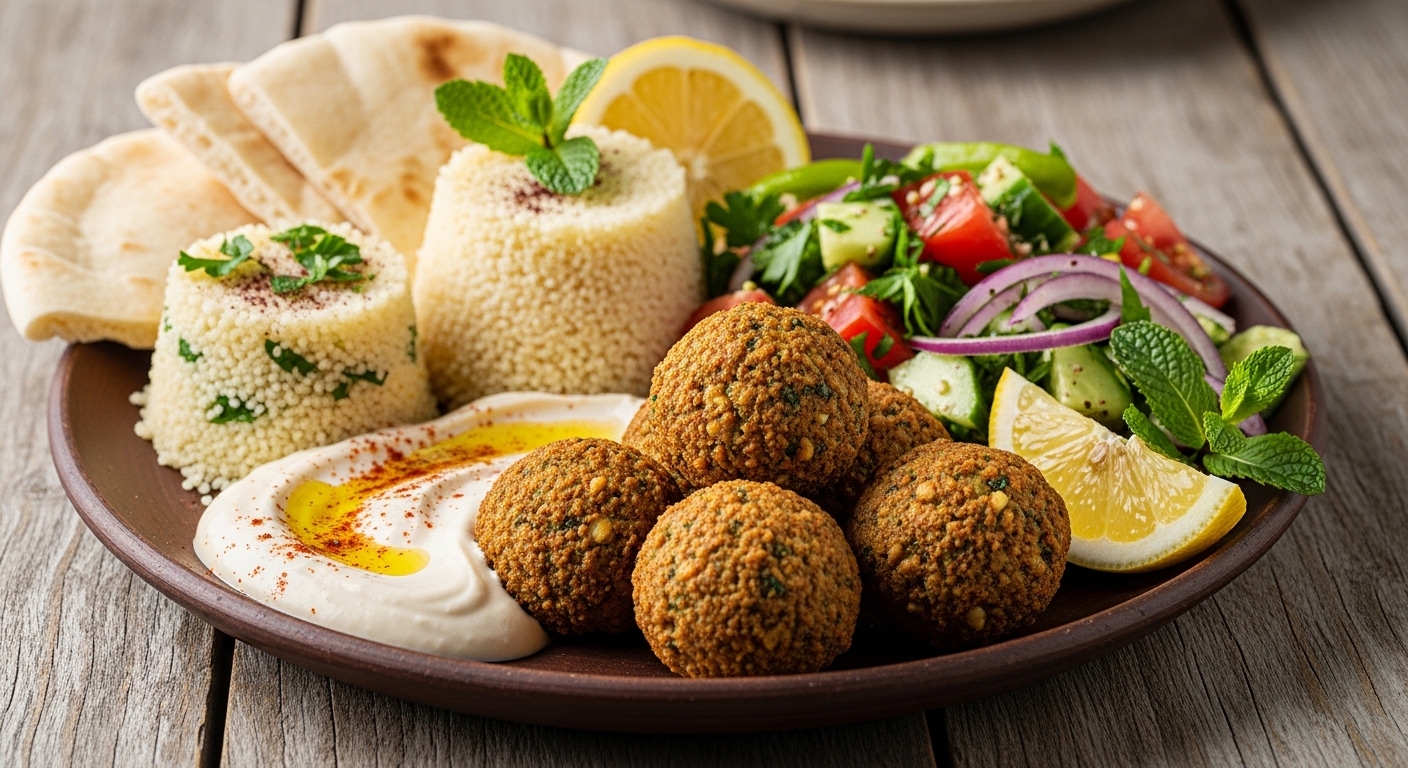
Imagine a plate that delivers the bold, earthy warmth of traditional falafel—crispy on the outside, tender and spiced within—without a single drop of frying oil. That’s exactly what you get with a **Baked Falafel Plate**: a wholesome, satisfying meal rooted in Levantine cuisine but reimagined for modern kitchens. Whether you’re craving authentic Middle Eastern flavors or seeking a healthier twist on street food favorites, this baked version doesn’t skimp on taste. It’s golden-brown perfection, served atop fluffy rice or warm pita, drizzled with creamy tahini sauce and garnished with fresh herbs. The best part? You don’t need an air fryer or deep fryer to achieve restaurant-quality results—just your oven and a little patience.
In this article, we’ll walk you through every step of creating a show-stopping Baked Falafel Plate that’s crispy, aromatic, and bursting with flavor. From ingredient selection to plating tips, we’ve got everything covered so you can serve up a dish that impresses guests and satisfies cravings alike.
Why Choose Baked Falafel Over Fried?
While traditional falafel is deep-fried to golden perfection, baking offers a cleaner, equally delicious alternative. Not only does baking reduce saturated fat and calories by up to 70%, it also preserves the chickpeas’ natural fiber and protein content. Plus, when done right, baked falafel develops a satisfying crunch without requiring constant attention like stovetop frying.
The secret lies in texture: marinating the chickpea mixture overnight allows spices like cumin, coriander, and garlic to infuse deeply, while a touch of cornstarch helps bind the balls and crisp them up in the oven. When paired with cooling sauces like hummus, yogurt, or lemon-tahini dressing, the contrast of textures and temperatures makes each bite a delight.
Key Takeaways
- Baked falafel delivers the same bold flavor as fried versions but with less oil and more nutrition.
- Marinating chickpea mixture overnight enhances spice penetration and improves binding.
- Cornstarch is key for achieving a crispy exterior during baking.
- Serving with fresh salads, warm flatbreads, and creamy dips elevates the entire plate.
Baked Falafel Plate Recipe Overview
| Metric | Details |
|---|---|
| Prep Time | 25 minutes + 4 hours marination |
| Cook Time | 30 minutes |
| Total Time | 4 hours 55 minutes |
| Servings | 4 |
| Cuisine | Middle Eastern (Levantine) |
| Course | Lunch, Dinner, Main Course |
| Calories (approx.) | 380 per serving |
Ingredients You’ll Need for Your Baked Falafel Plate
To make one hearty Baked Falafel Plate for four people, gather these ingredients:
For the Falafel:
- 1 cup dried chickpeas (do not use canned—they won’t bind properly)
- ½ red onion, roughly chopped
- 3 cloves garlic
- 2 tablespoons fresh parsley, tightly packed
- 2 tablespoons fresh cilantro, loosely packed
- 1 teaspoon ground cumin
- 1 teaspoon ground coriander
- ½ teaspoon baking soda (critical for fluffiness)
- 1 tablespoon cornstarch
- ½ teaspoon salt (adjust to taste)
- ¼ teaspoon black pepper
- 2 tablespoons cold water
For Serving & Dressing:
- 2 cups cooked basmati rice (or quinoa for gluten-free)
- ½ cup plain Greek yogurt or tahini-based sauce
- Juice of 1 lemon
- 2 tablespoons olive oil
- Fresh parsley and mint for garnish
- Pita bread or lavash for serving
Step-by-Step Instructions: How to Make Perfect Baked Falafel
Follow these simple steps to create restaurant-worthy falafel at home:
- Soak the Chickpeas Overnight
Place dried chickpeas in a large bowl and cover with at least 3 inches of water. Add a pinch of baking soda. Let soak for 8–12 hours (or up to 24 if using older beans). This softens them and breaks down complex sugars that cause gas. - Drain and Rinse Thoroughly
Drain and rinse the soaked chickpeas. They should be very soft but not mushy. Pat dry with a clean towel. - Blend Until Coarse but Not Smooth
In a food processor, combine chickpeas, onion, garlic, herbs, cumin, coriander, salt, pepper, baking soda, and cornstarch. Pulse until the mixture resembles coarse sand—you want some texture, not a paste. Scrape into a bowl and mix in cold water. - Rest the Mixture
Cover and refrigerate for at least 4 hours (overnight even better). This allows flavors to meld and improves binding. - Shape the Falafel
Using damp hands, form small balls (about golf-ball size) or patty shapes. Place on a parchment-lined baking sheet. - Bake to Perfection
Preheat oven to 375°F (190°C). Bake falafel for 25 minutes, flip gently, then bake another 5–10 minutes until golden and crispy. - Prepare the Plate
While falafel bakes, warm rice, whisk together lemon juice and olive oil for a quick dressing, and chop fresh herbs. - Assemble and Serve
Arrange rice on plates, top with 3–4 falafel balls, drizzle with yogurt or tahini sauce, and sprinkle with herbs. Serve with extra pita on the side.
Chef Tips for Best Results
- Never Use Canned Chickpeas: They contain preservatives and lack the structure needed to hold falafel together.
- Don’t Overprocess: A coarse blend gives the best texture—think crumbly rather than smooth.
- Chill Before Shaping: Cold mixture binds better and prevents falling apart during baking.
- Flip Gently: Use a spatula to avoid breaking fragile falafel.
- Air Fryer Option: For extra crispness, finish in an air fryer at 400°F for 5 minutes after baking.
Common Mistakes to Avoid
- Mushy Falafel: Caused by over-blending or using canned chickpeas. Always pulse, never puree.
- Falafel Falling Apart: Happens if mixture isn’t chilled long enough or lacks binder (cornstarch helps).
- Dull Flavors: Skipping herbs or not letting mixture rest leads to weak seasoning.
- Burnt Exterior, Raw Inside: Oven temperature too high or falafel too thick. Stick to 375°F and keep portions small.
Ingredient Substitutions & Variations
Want to customize your Baked Falafel Plate? Try these swaps:
- Vegetarian/Vegan: Use vegan Greek yogurt or skip yogurt entirely. Tahini-lemon sauce keeps it dairy-free.
- Gluten-Free: Cornstarch works fine; ensure pita or flatbread is certified GF.
- Spicy Version: Add ½ tsp cayenne pepper or a finely chopped chili.
- Herb Swap: Replace cilantro with dill or basil for a different flavor profile.
- Grain Options: Swap basmati rice for cauliflower rice, tabbouleh, or couscous.
Serving Suggestions for Maximum Impact
Elevate your Baked Falafel Plate with thoughtful pairings:
- Sauces & Dips: Classic tahini sauce, garlic yogurt (garlic-infused olive oil + yogurt), or spicy harissa mayo.
- Fresh Toppings: Shredded cucumber, tomato wedges, pickled onions, radishes, or pomegranate seeds.
- Bread Options: Warm pita, flatbread, or even a bed of leafy greens like romaine or kale.
- Side Salads: Add a light cucumber-tomato salad dressed with lemon and olive oil.
- Garnish Ideas: Toasted pine nuts, sumac dust, or a drizzle of pomegranate molasses for tanginess.
Storage & Reheating Tips
Leftover falafel can be stored and enjoyed later:
- Refrigerator: Store falafel in an airtight container for up to 3 days. Keep sauces separate.
- Freezing: Freeze unbaked falafel balls on a tray, then transfer to a bag. Cook from frozen—add 5–7 minutes to baking time.
- Reheating: Best reheated in a skillet over medium heat with a splash of water to prevent drying. Or bake at 350°F for 10 minutes until warmed through.
- Avoid Microwaving: It makes falafel soggy. Only use microwave for quick warm-up if necessary.
Nutrition Facts (Approximate Per Serving)
Each serving of Baked Falafel Plate contains:
- Calories: 380
- Protein: 12g
- Fat: 10g (mostly healthy fats from olive oil and chickpeas)
- Carbohydrates: 60g
- Fiber: 8g
- Sugar: 3g
- Sodium: 650mg (can be reduced by using low-sodium broth or less salt)
This balanced meal is rich in plant-based protein, complex carbs, and essential minerals like iron and magnesium—perfect for sustained energy and digestive health.
Frequently Asked Questions (FAQs)
1. Can I make falafel ahead of time?
Absolutely! Shape falafel balls, place them on a tray, freeze until solid, then store in a freezer-safe bag for up to 1 month. Bake directly from frozen—just add a few extra minutes.
2. Why are my falafel falling apart?
This usually happens when the mixture isn’t rested long enough or lacks proper binding agents. Chilling for at least 4 hours and using cornstarch help immensely.
3. Is there a way to make falafel without a food processor?
Yes! Finely mince the onion and garlic, chop herbs very finely, then mash chickpeas with a potato masher or fork until chunky. It takes more effort but yields great results.
4. Can I use canned chickpeas in a pinch?
Not recommended. Canned chickpeas are too wet and starchy, leading to mushy falafel. If pressed, drain well, rinse, and press between towels to remove excess moisture—but fresh soaking is ideal.
5. What’s the difference between Egyptian and Lebanese falafel?
Egyptian falafel is typically smaller, denser, and often spicier, sometimes including fava beans. Lebanese (and broader Levantine) versions tend to be lighter, herb-forward, and traditionally made with green chickpeas or fava beans depending on region.
Conclusion: Ready to Master Your Baked Falafel Plate?
There you have it—a foolproof guide to crafting a Baked Falafel Plate that’s crispy, aromatic, and full of authentic Middle Eastern charm. With just a handful of ingredients and a little prep time, you’re well on your way to serving a dish that rivals your favorite Mediterranean restaurant. Whether you’re cooking for family dinner, meal prepping for the week, or impressing friends at a potluck, this recipe delivers on flavor, nutrition, and visual appeal.
Don’t let fear of failure stop you—every chef starts somewhere. Start today, tweak tomorrow, and soon you’ll be the go-to person for anyone craving delicious, homemade falafel. Grab those chickpeas, fire up the oven, and let the aroma of cumin and garlic fill your kitchen. Your perfect plate awaits.