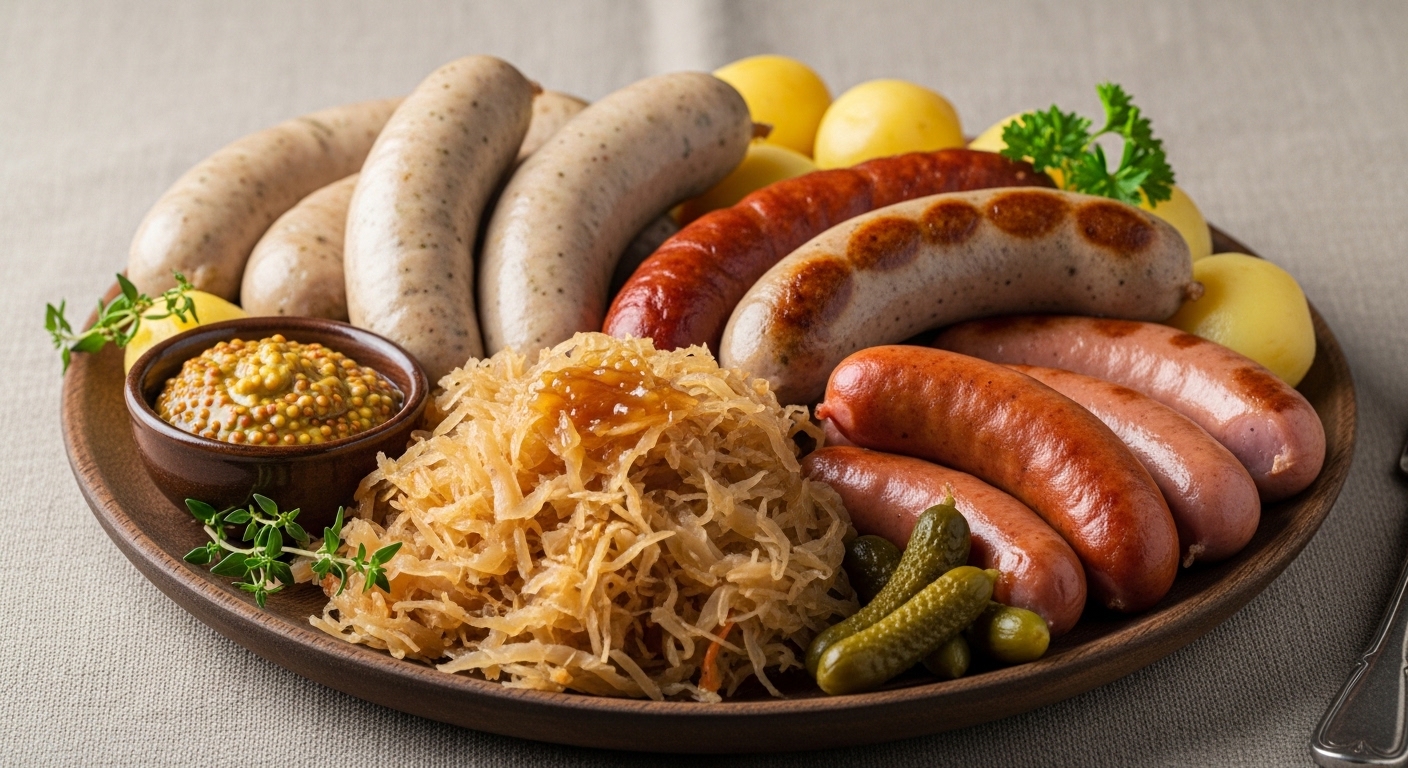
If you’re craving a bold, savory dish that blends rich flavors with rustic charm, the Alsace sausage plate is your answer. This traditional French meal centers around plump, juicy sausages—often made with pork and seasoned with garlic, juniper berries, or wine—served alongside creamy potatoes, caramelized onions, and crisp apples. Originating from the Alsace region in northeastern France, near the German border, this comforting plate embodies the cross-cultural culinary heritage of the area. Whether you’re hosting a dinner party or looking for a cozy weeknight meal, the Alsace sausage plate delivers warmth, depth, and unmistakable European flair.
What Is an Alsace Sausage Plate?
The Alsace sausage plate is more than just a meal—it’s a celebration of regional ingredients and time-honored cooking techniques. Traditionally, it features Alsace-style sausages, known locally as “knacks,” which are slightly spicier and more robust than their Central European counterparts. These sausages are typically grilled or pan-fried until golden and slightly charred, then served with a medley of sides that balance their intensity.
Common accompaniments include potatoes cooked in butter and cream, onions slow-cooked to sweetness, and sometimes even sautéed apples or braised cabbage. The combination creates a harmonious contrast between savory, umami-rich sausage and the soft, sweet elements on the plate. This dish is especially popular during autumn and winter months when hearty, warming meals are in demand.
Why You’ll Love Making This Dish at Home
- Rich, Authentic Flavor: Each bite offers a symphony of textures—crunchy skin, tender meat, and velvety sides.
- Quick to Prepare: With just a few ingredients and simple techniques, you can recreate a restaurant-quality meal in under an hour.
- Perfect for Sharing: Its generous portions and communal serving style make it ideal for family gatherings or dinner parties.
- Versatile & Customizable: Swap ingredients based on what’s in season or your dietary preferences without losing authenticity.
Alsace Sausage Plate Recipe Summary
| Prep Time | Cook Time | Total Time | Servings | Cuisine | Course | Calories (approx.) |
|---|---|---|---|---|---|---|
| 15 minutes | 45 minutes | 1 hour | 4 | French (Alsace) | Main Course | 620 kcal |
Ingredients You’ll Need
For the Sausages:
- 8 fresh Alsace-style pork sausages (or kielbasa-style if unavailable)
- 2 tablespoons unsalted butter
- 2 tablespoons vegetable oil
- Salt and freshly ground black pepper to taste
For the Potato & Onion Side:
- 2 pounds Yukon Gold potatoes, peeled and cut into ¾-inch cubes
- 2 large yellow onions, thinly sliced
- ½ cup heavy cream
- 2 tablespoons butter
- 2 cloves garlic, minced
- ¼ teaspoon ground nutmeg
- Salt and white pepper to taste
Optional Garnish:
- Apple slices (Granny Smith or Braeburn), sautéed in butter
- Fresh parsley, chopped
- Pickled red onions or cornichons
Step-by-Step Cooking Instructions
1. Prep the Potatoes and Onions
Start by boiling the cubed potatoes in salted water for about 8–10 minutes, until just tender but not falling apart. Drain and set aside. In a large skillet, melt 2 tablespoons of butter over medium heat. Add the sliced onions and cook slowly for 15–20 minutes, stirring occasionally, until deeply golden and caramelized. Set aside.
2. Cook the Sausages
In another large skillet, heat vegetable oil and 2 tablespoons of butter over medium-high heat. Carefully add the sausages—do not overcrowd the pan. Sear each sausage for 4–5 minutes per side until browned and crispy at the edges. Reduce heat to low, cover, and let them finish cooking through for another 10–12 minutes. Remove from heat and rest for 5 minutes before slicing.
3. Make the Creamy Potato Base
Return the same skillet (or a clean one) to medium heat. Add 2 tablespoons of butter and sauté minced garlic for 30 seconds until fragrant. Add the drained potatoes and toss gently to coat. Pour in the heavy cream and sprinkle with nutmeg, salt, and white pepper. Gently mash some of the potatoes against the side of the pan to create a rustic texture. Simmer for 3–4 minutes until thickened slightly.
4. Combine Everything
Divide the creamy potato mixture among four warm plates. Top each with two sliced sausages. Spoon caramelized onions over the sausages. If using, add a few sautéed apple slices nearby for brightness. Sprinkle with chopped parsley and serve immediately.
Chef Tips for Perfect Results
- Choose Quality Sausages: Look for fresh, high-fat sausages—they render better and stay juicy during cooking.
- Don’t Rush the Onions: Slow caramelization is key. Low and slow yields the most flavor.
- Rest Your Sausages: Letting them rest allows juices to redistribute, preventing dryness when sliced.
- Use Yukon Golds: Their buttery texture pairs perfectly with the creamy sauce.
- Add Acid at the End: A squeeze of lemon juice or splash of vinegar cuts through richness and elevates the dish.
Common Mistakes to Avoid
- Overcrowding the Pan: This steams the sausages instead of searing them, leading to soggy skin.
- Boiling Too Long: Overcooked potatoes become mushy and lose structure.
- Skipping the Caramelization Step: Raw onions overwhelm the dish; they need time to develop sweetness.
- Using Low-Fat Sausages: They dry out quickly and lack the mouthfeel essential to this dish.
Ingredient Substitutions & Variations
Vegetarian/Vegan Option:
- Replace sausages with grilled portobello mushrooms or store-bought vegan sausages.
- Use coconut milk instead of heavy cream for a dairy-free version.
Healthier Version:
- Use sweet potatoes instead of Yukon Golds.
- Reduce cream by half and substitute with low-fat milk and a touch of crème fraîche.
- Trim visible fat from sausages before cooking.
Indian-Inspired Twist:
- Marinate sausages in garam masala, cumin, and turmeric before grilling.
- Serve with spiced potatoes (aloo fry style) and a dollop of raita.
Serving Suggestions
Pair your Alsace sausage plate with a crisp Alsatian white wine like Riesling or Gewürztraminer. For non-alcoholic options, try sparkling elderflower soda or apple cider. A crusty baguette works wonders for soaking up any leftover sauce. Finish with a simple green salad dressed in vinaigrette to balance the richness.
Storage & Reheating
- Refrigerate: Store leftovers in an airtight container for up to 3 days.
- Freeze: Whole dishes freeze well for up to 2 months. Thaw overnight in the fridge.
- Reheat Safely: Warm individual portions in a skillet over low heat with a splash of cream or broth to prevent drying out. Avoid microwaving directly—it can make potatoes gummy.
Nutrition Facts (Approximate Per Serving)
- Calories: 620 kcal
- Protein: 28g
- Fat: 42g
- Carbohydrates: 45g
- Fiber: 3g
- Sugar: 6g
- Sodium: 780mg
Key Takeaways
- The Alsace sausage plate is a hearty, flavorful French dish rooted in the cuisine of Alsace.
- It combines pan-seared sausages with creamy mashed potatoes and caramelized onions.
- The recipe is adaptable—vegetarian, healthier, or globally inspired versions are easy to make.
- Proper technique ensures juicy sausages and perfectly textured sides.
- This dish makes an impressive yet approachable meal for any occasion.
FAQs About Alsace Sausage Plate
Can I use regular bratwurst instead of Alsace sausages?
Yes! While true Alsace sausages have a unique blend of spices including garlic and juniper, standard bratwurst or even kielbasa will work well. Just be aware they may taste slightly different—still delicious, though!
How do I know when the sausages are done?
The best way is to insert a meat thermometer into the center—it should read at least 160°F (71°C). Alternatively, cut one open; the juices should run clear and the meat fully cooked.
Can I make the onion side ahead of time?
Absolutely! Caramelized onions keep beautifully in the refrigerator for up to 5 days. Reheat gently in a pan before serving.
Is this dish gluten-free?
Most traditional Alsace sausages contain gluten, so check labels carefully. Use certified GF sausages and ensure all other ingredients are gluten-free to maintain safety.
What’s the difference between Alsace and German sausages?
Alsace sausages often feature wine (especially white), garlic, and allspice, while German varieties tend toward caraway, marjoram, and smoked flavors. The cooking methods also differ slightly—Alsace emphasizes browning, whereas German recipes often simmer longer.
Conclusion: Bring a Slice of Alsace to Your Table Today
There’s something undeniably satisfying about a plate that feels both comforting and elegant—like the Alsace sausage plate. It’s a dish that tells a story: of borderland culture, seasonal abundance, and timeless flavors. Whether you’re new to French cuisine or a seasoned home cook, this recipe offers simplicity without sacrificing depth.
So roll up your sleeves, fire up the stovetop, and treat yourself to an authentic taste of Alsace. With its rich sausages, luscious sides, and effortless elegance, this dish is sure to become a staple in your kitchen. Bon appétit!
Leave a Reply