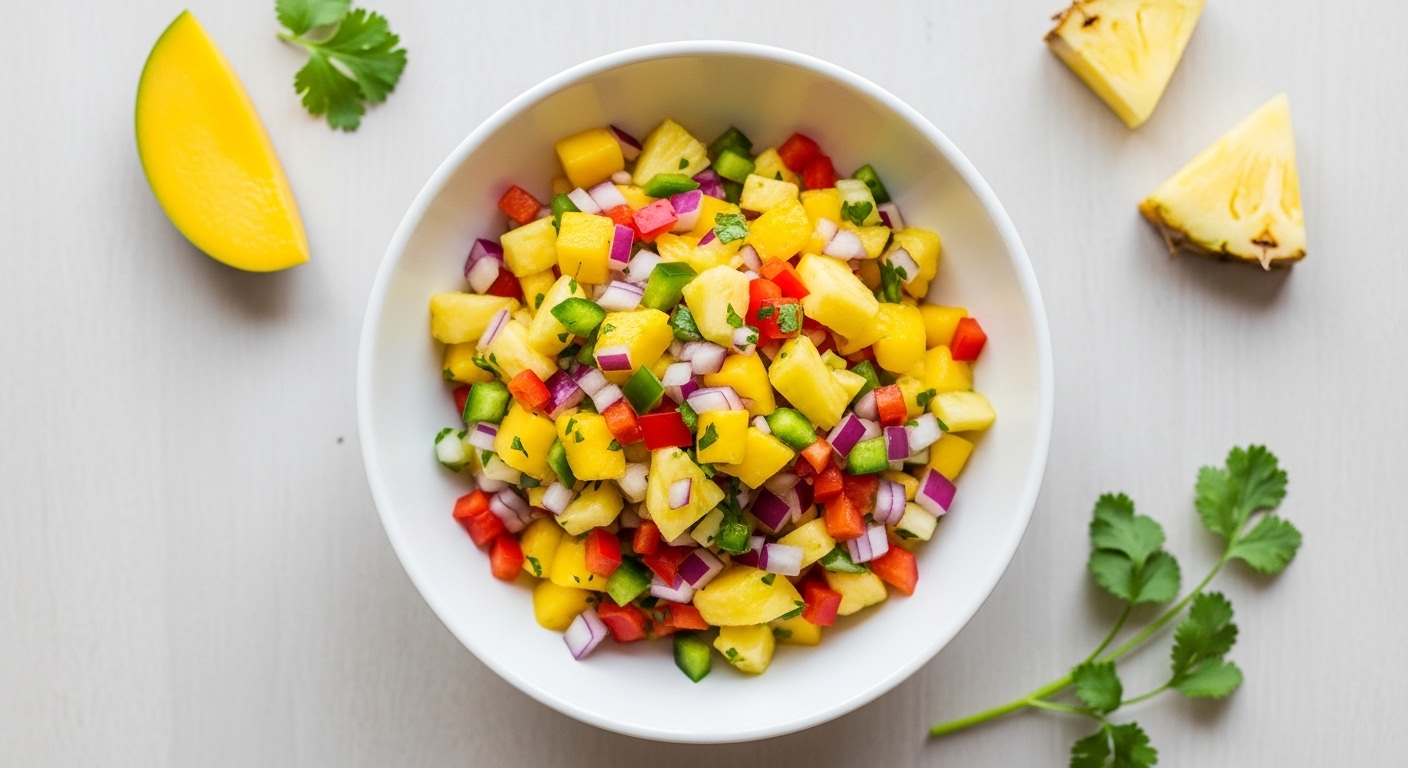
Imagine biting into a spoonful of vibrant, juicy fruit that bursts with the bright flavors of mango, pineapple, and papaya—all mingling together in a zesty, slightly tangy salsa that’s as beautiful as it is delicious. That’s exactly what you get with a well-made tropical fruit salsa. This isn’t your average dip or side dish—it’s a celebration of summer on a plate. With its colorful presentation, crisp texture, and naturally sweet-tart taste, tropical fruit salsa has become a favorite at barbecues, potlucks, and beach gatherings across North America. Whether you’re serving it with tortilla chips, topping grilled fish, or using it as a fresh salad base, this recipe delivers both flavor and visual appeal in every bite.
What makes tropical fruit salsa so irresistible? It’s the perfect balance of sweet, acidic, and refreshing elements—packed with vitamin C, fiber, and antioxidants from real whole fruits. Plus, it’s incredibly easy to make, requiring no cooking and minimal prep time. In just 15 minutes, you can transform fresh, ripe tropical fruits into a vibrant appetizer or snack that feels indulgent yet light. Let’s dive into how to create your own version of this crowd-pleasing dish.
Why You’ll Love This Tropical Fruit Salsa Recipe
- Tastes Like Paradise: Bursting with juicy mango, sweet pineapple, and creamy papaya, every spoonful feels like a mini vacation.
- Super Fresh & Light: No heavy creams or sauces—just pure fruit flavor with a hint of lime for brightness.
- Ready in Minutes: No oven, stove, or complicated techniques required—perfect for last-minute entertaining.
- Family-Friendly Appeal: Kids love the sweetness, while adults appreciate the sophisticated twist on a classic dip.
- Customizable & Healthy: Naturally gluten-free, vegan, and low in calories—ideal for health-conscious eaters.
- Pairs Perfectly: Goes wonderfully with seafood, chicken, tacos, or even as a standalone fruit bowl upgrade.
Ingredients You’ll Need for Vibrant Tropical Fruit Salsa
Gathering fresh, ripe ingredients is key to achieving the best flavor and texture. Here’s what you’ll need for a perfectly balanced batch:
Base Fruits (Fresh & Ripe Are Best)
- 2 cups diced fresh mango (about 1 large mango), skin and pit removed
- 1 cup finely chopped fresh pineapple (canned is acceptable but fresh wins for texture)
- 1 cup peeled and diced red or green papaya (or substitute with honeydew melon if unavailable)
- ½ cup diced red bell pepper (adds crunch and color)
- ¼ cup finely chopped red onion (for subtle sharpness)
Flavor Enhancers
- Juice of 1 lime (about 2–3 tablespoons)
- 1 tablespoon fresh cilantro, chopped (optional but recommended)
- ½ teaspoon sea salt (adjust to taste)
- ¼ teaspoon freshly ground black pepper
- 1–2 jalapeño peppers, seeded and finely minced (optional, for heat)
Optional Additions:
- 1 tablespoon honey or agave syrup (if you prefer extra sweetness)
- 1 teaspoon grated ginger (for a warm, spicy kick)
Kitchen Tools Needed
To make preparing tropical fruit salsa quick and mess-free, gather these essentials:
- Large mixing bowl
- Sharp chef’s knife
- Cutting board (preferably one dedicated to produce)
- Measuring spoons and cups
- Spoon or spatula for folding
- Airtight container for storage (glass works best to preserve freshness)
Step-by-Step Instructions: How to Make Tropical Fruit Salsa
Follow these simple steps to build layers of flavor and texture:
- Prepare Your Fruits: Start by washing and drying all your produce. Dice the mango, pineapple, and papaya into uniform ½-inch pieces. The consistency should be soft but not mushy—think bite-sized cubes that hold their shape.
- Add Aromatics & Vegetables: To your mixing bowl, add the diced red bell pepper and finely chopped red onion. These ingredients provide a satisfying crunch and a touch of savory depth that balances the fruit’s sweetness.
- Dress with Acid & Heat: Squeeze fresh lime juice over the fruit mixture. If you like a little spice, sprinkle in the minced jalapeño now. Add salt and pepper to enhance all the natural flavors.
- Gently Fold Together: Using a gentle folding motion with a spatula or spoon, combine everything until evenly coated. Be careful not to mash the fruit—keep it chunky and textured.
- Finish with Herbs & Sweetness (If Desired): Stir in the chopped cilantro for freshness. For an extra touch of sweetness, mix in honey or agave. Taste and adjust seasoning as needed—remember, citrus can dominate, so go easy at first.
- Chill Before Serving: Cover the bowl and refrigerate for at least 30 minutes. This allows the flavors to meld beautifully and chills the salsa for a refreshing experience.
Pro Tips for Perfect Tropical Fruit Salsa
Want to elevate your salsa game? Follow these expert tips:
- Choose Ripe But Firm Fruits: Overripe fruit will turn to mush. Look for mangoes that yield slightly to pressure but aren’t squishy.
- Prep Ahead of Time: Chop all fruits up to 2 hours ahead and store them separately in airtight containers in the fridge to prevent browning and excess moisture.
- Don’t Skip the Lime: Acid is essential—it cuts through the richness and enhances the fruit’s natural sweetness.
- Balance Is Key: Taste before serving. Too much sugar masks the fruit’s true flavor; too little acid makes it cloying.
- Serve Immediately After Chilling: While it keeps well in the fridge for up to 24 hours, the best texture and flavor happen within the first few hours.
Creative Variations to Try
Love experimenting? Here are fun ways to customize your tropical fruit salsa:
Spicy Mango-Pineapple Salsa
Add 1 finely diced serrano pepper and a pinch of cayenne for a fiery kick. Serve alongside grilled shrimp skewers for a restaurant-quality meal.
Keto-Friendly Coconut-Chip Version
Replace papaya with diced avocado and stir in ¼ cup unsweetened shredded coconut. Use erythritol instead of honey. This version stays under 5g net carbs per serving.
High-Protein Power Bowl Topping
Top your tropical fruit salsa over Greek yogurt or cottage cheese for a protein-packed breakfast or snack. Add chia seeds or granola for crunch.
No-Fructose Option
Omit honey or agave entirely. The natural sugars from fresh fruit are plenty—let the flavors shine without added sweetness.
What to Serve With Tropical Fruit Salsa
This versatile salsa pairs beautifully with a variety of dishes:
- Grilled Meats: Chicken, pork chops, or steak benefit from the bright acidity that cuts through fatty richness.
- Seafood Delights: Pair with grilled salmon, tuna, or even raw oysters for a coastal-inspired feast.
- Tortilla Chips & Veggie Sticks: Classic snacking made exciting with colorful presentation.
- Taco Night Upgrade: Spoon over fish or chicken tacos for a tropical twist.
- Salad Enhancer: Drizzle over mixed greens with feta and toasted nuts for a gourmet lunch.
Storage and Reheating Tips
Tropical fruit salsa doesn’t reheat—but it stores beautifully!
- Storage: Keep in an airtight container in the refrigerator for up to 24 hours. Avoid storing near strong-smelling foods (like onions) to prevent flavor transfer.
- Texture Note: The longer it sits, the softer the fruit becomes. For best results, serve within 6–8 hours.
- Freezing Not Recommended: Frozen fruit loses its structure and becomes watery when thawed.
- Freshness Check: If the salsa develops an off smell or mold, discard immediately—fruit-based dips spoil faster than meat or grain dishes.
Frequently Asked Questions (FAQ)
Q: Can I use canned pineapple instead of fresh?
A: Yes! Just drain thoroughly before using. Canned fruit tends to be softer, so handle gently when mixing to avoid a pulpy texture.
Q: How do I keep my tropical fruit salsa from getting watery?
A: Pat fruits dry after washing, chop uniformly, and drain any excess liquid from canned fruit. Also, don’t store it in a non-airtight container where condensation builds.
Q: Is tropical fruit salsa good for kids?
A: Absolutely! Most children enjoy the sweet taste. You can reduce or omit jalapeños for milder versions.
Q: Can I make this salsa ahead of time?
A: Best served the same day, but you can prep all ingredients the night before and assemble just before chilling and serving.
Q: Does this work with other tropical fruits?
A: Definitely! Try adding kiwi, passion fruit, or even diced guava for unique flavor profiles.
Final Thoughts: Bring the Beach to Your Table
There’s something magical about a bowl of tropical fruit salsa—its vivid colors, crisp textures, and bold flavors instantly transport you to sun-drenched shores. Whether you’re hosting a backyard gathering, packing a picnic basket, or simply treating yourself to a healthy snack, this recipe delivers joy in every spoonful. It’s quick, customizable, and guaranteed to impress guests without requiring special skills or expensive ingredients.
So next time you’re craving something fresh, flavorful, and full of sunshine, reach for your knife and bowl. Whip up a batch of tropical fruit salsa and let nature’s candy do the talking. Your taste buds—and your Instagram feed—will thank you.
Now grab those mangoes and get chopping. Trust us—you won’t regret it.
Recipe Card: Tropical Fruit Salsa
- Prep Time: 15 minutes
- Chill Time: 30 minutes
- Total Time: 45 minutes
- Servings: 6–8
- Calories: Approximately 90 per serving (varies based on fruit type)
- Cuisine: American / Caribbean-Inspired
- Course: Appetizer, Snack, Side Dish
- Dietary Notes: Gluten-Free, Vegan, Low-Calorie, Dairy-Free
Image Suggestions:
A close-up photo of the finished salsa in a white ceramic bowl with scattered cilantro leaves, served alongside lime wedges and tortilla chips. Another image could show the chopped fruits laid out on a cutting board—vivid orange mango, golden pineapple, and pink papaya—to highlight freshness.