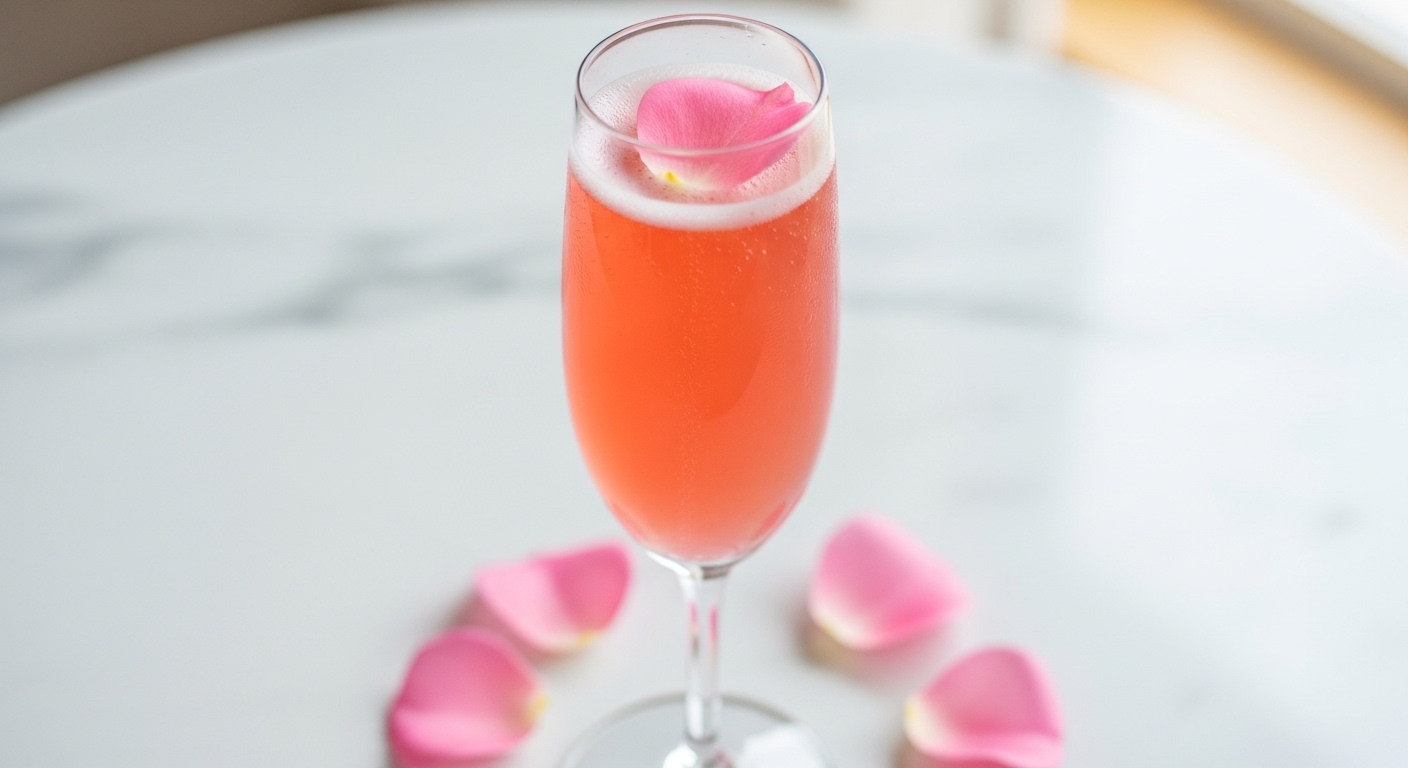
Imagine a drink that’s equal parts sophisticated and playful, with a fizzy kick that wakes up your taste buds. That’s the magic of the rose rosé mimosa—a sparkling, blush-hued cocktail that blends the crisp elegance of rosé wine with the sweet simplicity of champagne. Whether you’re hosting a weekend brunch, celebrating a special occasion, or just craving something refreshingly light, this drink delivers on every level. It’s not just a cocktail; it’s an experience.
The rose rosé mimosa has surged in popularity across North America for its delicate balance of flavors and Instagram-ready appearance. With its pale pink hue and gentle floral notes, it stands out at any gathering while remaining approachable for both seasoned imbibers and casual sippers. What makes it truly special is how effortlessly it combines two beloved beverages—rosé wine and sparkling wine—into one harmonious sip.
Why You’ll Love This Rose Rosé Mimosa Recipe
- Tastes like sunshine in a glass: Bright, fruity, and subtly sweet with just the right amount of effervescence.
- Incredibly easy to make: Just two ingredients and a few minutes of prep time—perfect for last-minute gatherings.
- Customizable and versatile: Add fresh fruit, swap juices, or adjust sweetness to suit your palate.
- Family-friendly (with non-alcoholic options): Serve classic versions or mocktail alternatives without sacrificing style.
- Visually stunning: Its natural rose color makes it a showstopper for bridal showers, baby showers, or Sunday morning mimosas.
Ingredients You’ll Need for Your Rose Rosé Mimosa
Making the perfect rose rosé mimosa starts with quality ingredients. Here’s what you’ll need:
- 1 bottle (750ml) chilled rosé wine – Look for dry or off-dry styles with notes of strawberry, cherry, or citrus.
- 1 bottle (750ml) chilled brut sparkling wine or prosecco – Prosecco adds extra bubbles; champagne offers more complexity.
- Fresh orange juice (optional, but recommended) – About 1/4 cup per serving for a traditional mimosa twist.
- Fresh raspberries, strawberries, or peach slices (optional garnish) – For color and extra flavor.
- Ice cubes – To keep drinks cold without diluting them too quickly.
Substitutions & Variations:
- For a non-alcoholic version, use sparkling water instead of both wines.
- Replace orange juice with peach nectar or cranberry juice for a bolder flavor profile.
- Add a splash of ginger ale for a spicy-sweet kick.
Kitchen Tools Needed
- Cocktail shaker or mixing pitcher (optional, if blending flavors)
- Champagne flutes or coupe glasses
- Bar spoon
- Fine mesh strainer (if using muddled fruits)
- Jigger or measuring cup
Step-by-Step Instructions: How to Make the Perfect Rose Rosé Mimosa
- Gather your ingredients and chill everything beforehand. Cold wines are essential—warm bottles won’t create proper bubbles and can dull the taste.
- Fill each champagne flute halfway with fresh orange juice. If skipping juice, pour directly into the glass with the sparkling base.
- Pour half of the rosé wine into a pitcher or directly into the flute. Stir gently if combining multiple servings.
- Add half of the sparkling wine (prosecco or champagne). Pour slowly over the back of a spoon to preserve carbonation.
- Gently stir once with a bar spoon to combine flavors. Avoid vigorous shaking—it deflates the bubbles.
- Garnish with a fresh berry or fruit slice. Place it on the rim for maximum visual appeal.
- Serve immediately and enjoy! Best consumed within 30 minutes of preparation to maintain fizz.
Pro Tips from the Bar
- Don’t overfill your glasses. Leave room at the top so bubbles don’t overflow when guests lift their drinks.
- Use a high-quality rosé. Budget brands may lack depth—opt for French or Californian rosés with balanced acidity.
- Pre-chill your glasses. Place flutes in the freezer for 10–15 minutes before serving.
- Layer carefully. Pouring too fast kills the foam—always go slow and steady.
Variations to Elevate Your Rose Rosé Mimosa
1. Spicy Peach Edition
Add a pinch of cayenne pepper or a dash of Angostura bitters to a jar of frozen peach slices. Muddle lightly, then strain into your mimosa base. The heat contrasts beautifully with the sweetness.
2. High-Protein Mocktail (Non-Alcoholic)
Blend 1 cup cold almond milk, 1/2 cup fresh peaches, 1 tbsp honey, and 1 tsp vanilla extract. Strain and serve over ice in a chilled glass topped with soda water. Garnish with mint.
3. Keto-Friendly Version
Skip the fruit juice and use sugar-free cranberry concentrate diluted with sparkling water. Top with a sprig of rosemary for aroma and sophistication.
What to Serve With Your Rose Rosé Mimosas?
The rose rosé mimosa pairs wonderfully with light, elegant appetizers. Try these ideas:
- Mini quiches – Savory and buttery, they cut through the sweetness.
- Caprese skewers – Cherry tomatoes, fresh mozzarella, and basil drizzled with balsamic.
- Smoked salmon canapés – On cucumber rounds with dill cream cheese.
- Pastries and pastries – Croissants, danishes, or lemon bars for a sweet finish.
Storage and Reheating Tips
Unfortunately, rose rosé mimosas don’t store well due to rapid loss of carbonation. However:
- Keep leftover wine separate. Store rosé and sparkling wine in a cool, dark place for up to 5 days.
- Freeze unused portions. Pour into ice cube trays for mocktail pops or cooking infusions.
- Never reheat. Sparkling drinks lose their magic when warmed.
Frequently Asked Questions (FAQ)
1. Can I make a rose rosé mimosa without alcohol?
Absolutely! Use premium sparkling water or ginger beer as substitutes. Many brands offer artisanal options that mimic the complexity of real wine.
2. Why is my rose rosé mimosa flat?
Flatness usually means the wines weren’t fully chilled or were opened too early. Always serve immediately after mixing and use cold, sealed bottles.
3. Is rose rosé mimosa only for special occasions?
Nope! It’s great for brunches, garden parties, or even lazy Saturday mornings. Its lightness makes it ideal year-round.
4. Can I use white zinfandel instead of rosé?
Yes, but note: white zinfandel is sweeter and less acidic than true rosé. Adjust sweetness by reducing added juice or choosing a drier sparkling base.
5. How do I keep my rose rosé mimosa fizzy longer?
Serve in narrow-necked glasses (like flutes), avoid stirring too much, and never refrigerate mixed cocktails—keep them chilled but unopened until ready to serve.
Final Thoughts
The rose rosé mimosa isn’t just another trendy drink—it’s a celebration in a glass. With its delicate hue, crisp bubbles, and effortless charm, it brings joy to any moment. Whether you’re toasting a milestone or simply treating yourself, this recipe delivers elegance without effort.
Next time you’re planning a get-together, skip the ordinary champagne and surprise your guests with something uniquely refreshing. Trust us—once they take that first sip, they’ll be asking for seconds.
Ready to impress? Grab your favorite rosé, your bubbliest sparkler, and let’s raise a glass to better brunches.
Rose Rosé Mimosa Recipe Card
- Prep Time: 5 minutes
- Cook Time: 0 minutes
- Total Time: 5 minutes
- Servings: 4–6
- Calories: Approximately 180 per serving (varies by wine choice)
- Cuisine: American / Modern Brunch
- Course: Beverage, Cocktail