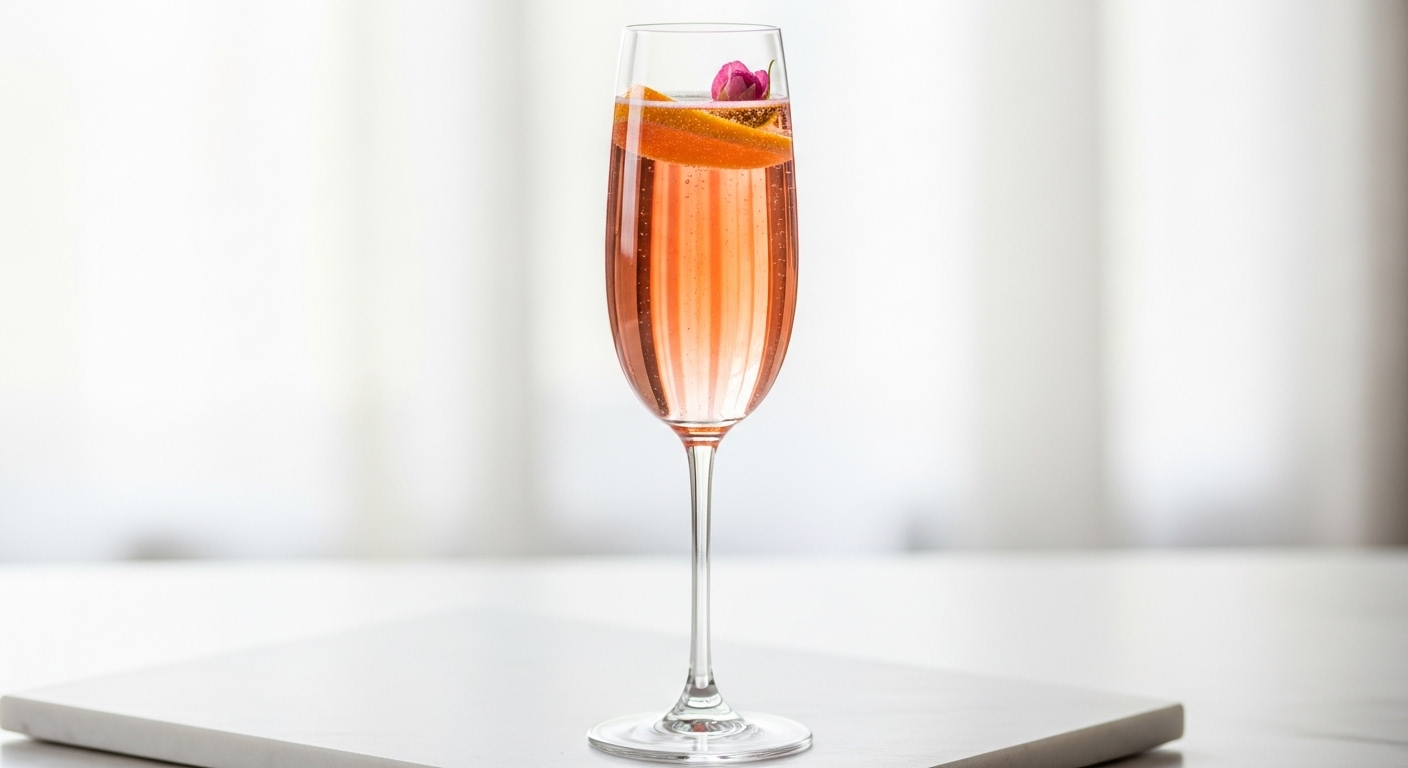
Imagine waking up to the soft glow of morning light, a crisp mimosa already waiting in your glass—but not just any mimosa. Picture this: delicate rose water swirls into chilled champagne, creating a blush-hued cocktail with floral elegance and bubbly freshness. That’s the magic of the rose champagne mimosa—a luxurious twist on the classic brunch favorite that’s been stealing headlines at upscale brunches, Instagram feeds, and cocktail bars across North America.
With its romantic hue and soothing aroma, the rose champagne mimosa blends the best of both worlds: the celebratory fizz of champagne and the subtle sweetness of rose-infused syrup. Whether you’re hosting a baby shower, celebrating Mother’s Day, or simply treating yourself to a moment of indulgence, this sparkling drink delivers elegance in every sip.
Why You’ll Love This Rose Champagne Mimosa Recipe
- Effortlessly Elegant: No fancy equipment needed—just simple ingredients for a drink that looks like it came from a five-star bar.
- Quick & Easy: Ready in under 10 minutes, perfect for last-minute gatherings or weekend mimosa bars.
- Customizable: Swap rose water for lavender or add fresh berries for a fruity twist.
- Family-Friendly: Can be made non-alcoholic using sparkling apple juice or ginger ale.
- Instagram-Worthy: The pale pink color makes every glass a photo op.
A Brief History of the Rose Champagne Mimosa
The traditional mimosa—champagne plus orange juice—has long been a symbol of celebration. But as mixology trends evolve, so do our palates. Enter the rose champagne mimosa, a modern interpretation that adds Middle Eastern and Mediterranean influences through rose water. Originating in regions where rose petals are used in desserts and drinks, this version brings a fragrant complexity that elevates brunch from ordinary to extraordinary.
Ingredients for the Perfect Rose Champagne Mimosa
Each ingredient plays a vital role in crafting that balanced, bubbly perfection. Here’s what you’ll need (makes 4 servings):
- 2 cups chilled dry champagne or prosecco
- 1/4 cup rose syrup (store-bought or homemade)
- 2 tablespoons fresh lemon juice
- Optional: 1 tablespoon honey (to sweeten further)
- Fresh rose petals (edible, for garnish)
- Lemon twists or pomegranate seeds (for extra flair)
Homemade Rose Syrup (Optional)
Want full control over sweetness and flavor? Make your own rose syrup:
- 1 cup granulated sugar
- 1 cup water
- 1 tablespoon rose water
- 2–3 drops red food coloring (optional, for color)
Combine sugar and water in a saucepan over medium heat. Stir until dissolved, then simmer for 5 minutes. Remove from heat and stir in rose water and food coloring. Strain and chill before use.
Kitchen Tools Needed
- Chilled champagne flutes (essential for presentation!)
- Bar spoon or whisk
- Measuring spoons
- Fine-mesh strainer (if making homemade syrup)
- Small pitcher or mixing bowl
Step-by-Step Instructions
- Chill Your Glasses: Place champagne flutes in the freezer for 10–15 minutes before serving. A cold glass keeps your mimosa crisp longer.
- Mix the Base: In a pitcher, combine rose syrup, lemon juice, and honey (if using). Stir gently to blend.
- Add Bubbles: Carefully pour the mixture into each chilled flute, leaving room for champagne.
- Top with Sparkle: Slowly pour champagne down the side of each glass to preserve bubbles. Fill to the top.
- Garnish with Grace: Float a few edible rose petals on top and add a lemon twist or pomegranate arils for contrast.
Pro Tips for Perfection
- Don’t Shake It: Stirring is enough—shaking will make your mimosa flat.
- Quality Matters: Use a good-quality prosecco or champagne. Cheaper brands may taste bitter when mixed with floral notes.
- Layer Wisely: Pouring slowly along the glass wall prevents foam overflow.
- Non-Alcoholic Option: Replace champagne with chilled sparkling apple juice or elderflower soda.
Variations to Try at Home
Spicy Rose Mimosa
For a surprising kick, add a dash of chili-infused simple syrup or a pinch of cayenne to the rose base. The heat balances beautifully with the floral sweetness.
Berry-Blush Mimosa
Muddle 1/2 cup raspberries or strawberries in the pitcher before adding rose syrup. Strain before pouring to avoid pulp.
High-Protein Mimosa Boost
Blend 1 scoop unflavored protein powder with the rose syrup base. Best served in a larger glass with extra sparkling wine.
Keto-Friendly Version
Replace rose syrup with monk fruit sweetener and erythritol-based rose flavoring. Use a keto-certified rose water to stay within macros.
What to Serve With Your Rose Champagne Mimosa
This elegant drink pairs beautifully with:
- Fluffy pancakes with maple syrup
- French toast with fresh berries
- Mini quiches or croissants
- Smoked salmon canapés
- Light pastries like macarons or scones
Think of it as the perfect prelude to a decadent brunch spread. The floral notes of the mimosa complement both sweet and savory bites without overpowering them.
Storage and Reheating Tips
Unlike food, mimosas aren’t meant to be stored—they’re best enjoyed fresh. However, if you have leftover rose syrup:
- Store in an airtight container in the fridge for up to 2 weeks.
- Label with date and shake well before use (rose oil can settle).
- Never reheat—always serve chilled.
Frequently Asked Questions (FAQ)
Can I make the rose champagne mimosa ahead of time?
Yes, but not the full drink. Prepare the rose-lemon base up to 2 hours in advance and store in the fridge. Add champagne just before serving to maintain effervescence.
Is rose water safe to use in cocktails?
Absolutely—just ensure it’s labeled “food-grade” or “edible.” Avoid perfumed or cosmetic versions, which may contain alcohol or chemicals.
How strong is a rose champagne mimosa?
Typically 8–10% ABV, depending on the champagne. One serving equals about 6 oz, so moderate consumption is key.
Can kids drink this mimosa?
Not if it contains real champagne. But the non-alcoholic version is a delightful mocktail they’ll love—just omit the alcohol and serve in fun flutes.
What’s the difference between rose water and rose syrup?
Rose water is a liquid concentrate used for flavor, while rose syrup is sweeter and thicker—ideal for cocktails where balance matters.
Final Thoughts
The rose champagne mimosa isn’t just a drink—it’s an experience. It transforms a simple brunch ritual into a sensory delight, blending tradition with innovation. Whether you’re impressing guests or simply savoring a quiet moment, this floral fizz does it all.
So why wait? Gather your flutes, chill your bubbly, and let the romance begin. With just a splash of rose and a pop of sparkle, you’ve got everything you need for a truly memorable mimosa moment.
Now go ahead—pour one for yourself. Your taste buds (and your inner foodie) will thank you.
Rose Champagne Mimosa Recipe Card
- Prep Time: 10 minutes
- Cook Time: 0 minutes
- Total Time: 10 minutes
- Servings: 4
- Calories: Approximately 120 per serving (alcoholic), 80 (non-alcoholic)
- Cuisine: Modern American / International Fusion
- Course: Brunch, Beverage, Celebration Drink