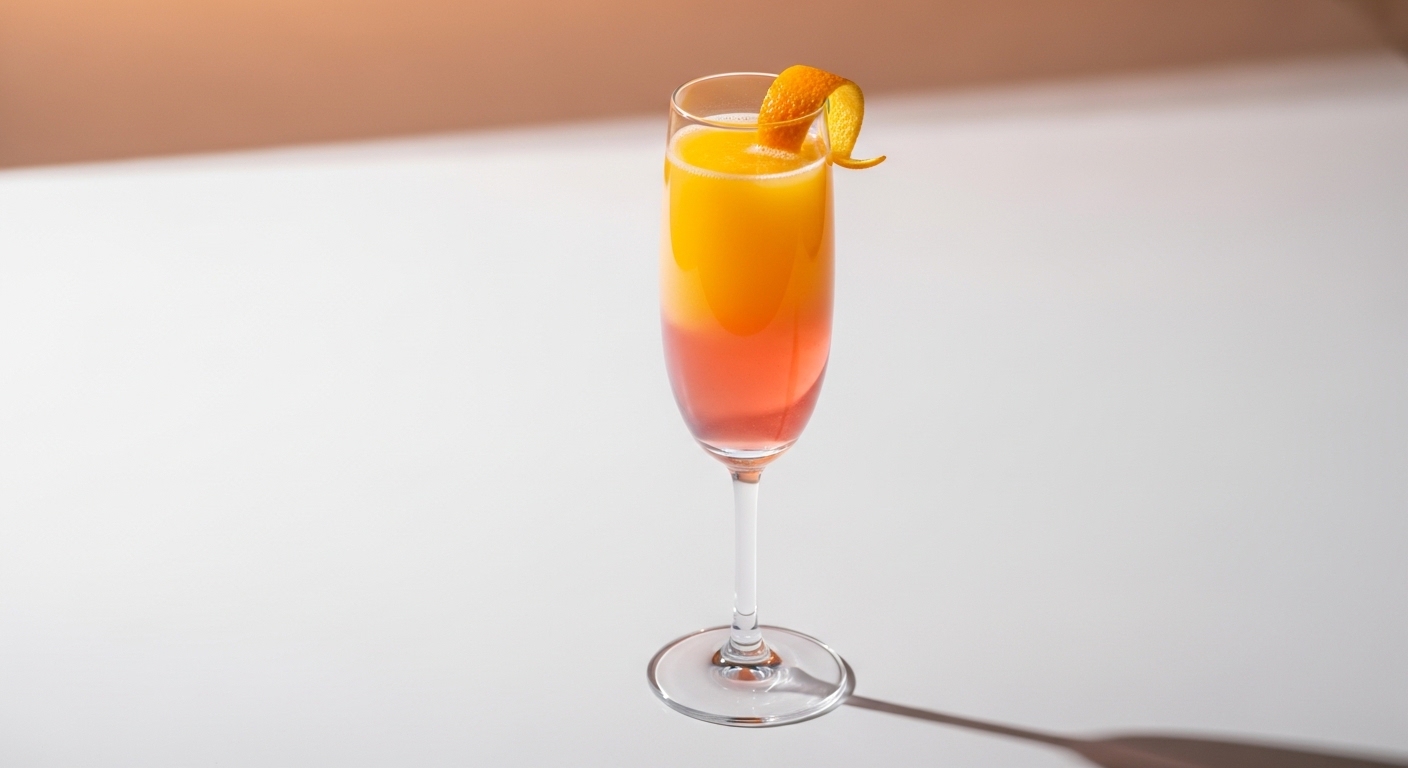
Picture this: golden afternoon light streaming through your patio door, a glass of something effervescent and fruity in hand, and the kind of relaxed joy that only comes with the perfect summer drink. You’ve probably seen it on social media—a cocktail that looks like a sunset in a glass, with pinkish-orange hues swirling through sparkling wine. Meet the orange rosé mimosa, a dazzling twist on the classic mimosa that’s become a favorite at brunches, weddings, and backyard barbecues across North America.
This isn’t just another fruit-flavored fizz—it’s a celebration in a flute. The marriage of crisp rosé wine and fresh orange juice creates a balance of sweetness, acidity, and bubbles that feels both refreshing and luxurious. Whether you’re hosting a garden party or simply treating yourself to a little midday indulgence, the orange rosé mimosa delivers on flavor, elegance, and ease.
Why You’ll Love This Recipe
- Effortless Elegance: No complicated techniques—just mix, pour, and enjoy.
- Flavor That Pops: Bright citrus meets delicate berry notes from the rosé for a taste experience that’s vibrant and memorable.
- Perfect for Any Occasion: Great for brunch, baby showers, date nights, or even a solo moment of self-care.
- Customizable & Crowd-Pleasing: Easy to adjust sweetness or alcohol levels depending on your guests’ preferences.
- Instagram-Worthy Presentation: Serve it in chilled flutes with an orange slice garnish for a photo-ready drink.
A Brief History of the Classic Mimosa
The original mimosa traces its roots back to early 20th-century Paris, where it was said to have been created as a breakfast cocktail. Over time, the traditional version—champagne and orange juice—remained beloved for its simplicity and sophistication. But now, with rosé wines gaining popularity for their versatility and approachable flavor profile, bartenders and home mixologists alike are reimagining the classic. Enter the orange rosé mimosa: lighter than champagne, subtly fruity, and endlessly adaptable.
Ingredients You’ll Need
Making this stunning cocktail is easier than you think—and it all starts with quality ingredients.
- 6 oz (180 ml) chilled dry rosé wine
- 4–5 oz (120–150 ml) freshly squeezed orange juice (about 1 large navel orange)
- Optional sweetener: 1 tsp honey or agave syrup (if using less sweet orange juice)
- Garnish: Thin orange wheel or twist
- Ice cubes (for serving, optional)
Pro Tips for Ingredient Selection
– Choose a dry rosé—not too sweet—so it complements the orange without overpowering it.
– Freshly squeezed juice makes a world of difference over store-bought; look for bright, tangy oranges.
– If your rosé has residual sugar, skip added sweeteners to maintain balance.
Kitchen Tools You’ll Need
You don’t need fancy equipment to pull off this cocktail:
- Chilled champagne flutes or stemmed glasses
- Juicer (handheld citrus press works great)
- Fine mesh strainer (optional, to remove pulp if desired)
- Bar spoon or small whisk (for mixing)
- Cutting board and paring knife (for garnish)
Step-by-Step Instructions
Follow these simple steps to craft the perfect orange rosé mimosa:
- Chill Your Glasses: Place your flutes in the freezer for 10–15 minutes before serving. This keeps the drink cold without watering it down with ice.
- Squeeze the Orange Juice: Cut one large navel orange in half and juice it by hand or with a citrus press. Strain through a fine mesh sieve if you prefer a smoother texture.
- Build the Base: Pour the orange juice into a pitcher or mixing vessel. Add honey or agave if you want a touch more sweetness.
- Add the Rosé: Gently stir in the chilled rosé wine. Avoid vigorous stirring—this preserves the bubbles!
- Pour and Garnish: Fill each chilled flute about ¾ full with the mixture. Twist a thin orange peel over the glass to release oils, then drop it in as a garnish.
- Serve Immediately: These drinks are best enjoyed fresh—the carbonation fades quickly once opened.
Pro Tips for the Perfect Orange Rosé Mimosa
– Temperature is Key: Always use cold ingredients. Warm rosé or room-temp orange juice kills the fizz and dulls the flavors.
– Balance Matters: Too much orange juice? The drink becomes cloying. Too little? It loses its signature brightness. Start with 4 oz juice and adjust to taste.
– Layer Thoughtfully: For visual drama, slowly pour the rosé down the side of the glass so it cascades into the orange juice.
– Batch Prep Ahead: Make the orange juice mixture up to 2 hours ahead and keep refrigerated. Just add the rosé right before serving to preserve bubbles.
Common Mistakes to Avoid
– Using canned or reconstituted orange juice—it lacks freshness and depth.
– Overfilling the glass—leave room for the beautiful foam to rise.
– Skipping the chill—this drink shines when icy cold.
Variations to Try at Home
Want to put your own spin on the classic? Here are some delicious twists:
- Cranberry Rosé Mimosa: Swap half the orange juice for cranberry juice for a tart, festive version. Perfect for holiday brunches.
- Mango Ginger Rosé Fizz: Blend ½ cup fresh mango with 1 tsp grated ginger and strain into the base. Adds tropical warmth.
- Blood Orange Rosé Mimosa: Use blood orange juice instead of regular—its deep red hue and subtle raspberry-like undertones make for a showstopping cocktail.
- Non-Alcoholic Option: Replace rosé with premium non-alcoholic sparkling rosé or mix sparkling water with elderflower liqueur for a bubbly mocktail.
What to Serve With an Orange Rosé Mimosa?
This cocktail pairs beautifully with:
- Brunch classics: Fluffy pancakes, avocado toast, or smoked salmon bagels.
- Light appetizers: Caprese skewers, prosciutto-wrapped melon, or goat cheese crostini.
- Dessert pairings: Lemon bars, shortbread cookies, or even a fruit tart.
- Cheese board: Soft cheeses like brie or camembert complement the fruitiness perfectly.
Storage and Reheating Tips
Unfortunately, you can’t store or “reheat” a mimosa—once the wine is mixed with juice, it begins to oxidize and lose carbonation within 30–60 minutes. However, you can prep components ahead:
– Juice and sweetener can be made 2 hours in advance and stored in the fridge.
– Keep rosé sealed and cold until ready to serve.
– Assemble just before pouring to ensure maximum sparkle and freshness.
Frequently Asked Questions (FAQ)
Can I use white wine instead of rosé?
Yes! A dry white wine like Chardonnay or Sauvignon Blanc works well, but it won’t give you that signature pink-orange hue. The flavor will be cleaner and crisper.
How long does an orange rosé mimosa stay fizzy?
About 30–45 minutes after mixing. For best results, serve immediately after preparation.
Can I make this ahead of time?
Only the orange juice base—mix it with any sweetener 1–2 hours before serving, but add the rosé just before pouring into glasses.
Is there a non-alcoholic version?
Absolutely! Mix sparkling water or non-alcoholic rosé with fresh orange juice and a splash of grenadine for color and depth.
Do I need special flutes?
Not at all! Standard wine glasses or even champagne coupes work beautifully. The key is chilling them first.
Final Thoughts
There’s something magical about a drink that looks as good as it tastes—and the orange rosé mimosa delivers on both fronts. It’s effortless, elegant, and bursting with summer energy. Whether you’re impressing guests or treating yourself to a little luxury, this cocktail proves that sometimes the simplest ingredients create the most unforgettable moments.
So next time you’re craving something sparkling and sophisticated, reach for a bottle of dry rosé and a juicy orange. Whip up a batch of orange rosé mimosas, gather your favorite people, and toast to good times ahead. Cheers!
Recipe Card: Orange Rosé Mimosa
- Prep Time: 5 minutes
- Cook Time: 0 minutes
- Total Time: 5 minutes
- Servings: 2
- Calories: Approximately 120 per serving (varies based on wine)
- Cuisine: American / French-inspired
- Course: Brunch, Cocktail, Drink
Enjoy responsibly. This recipe contains alcohol.