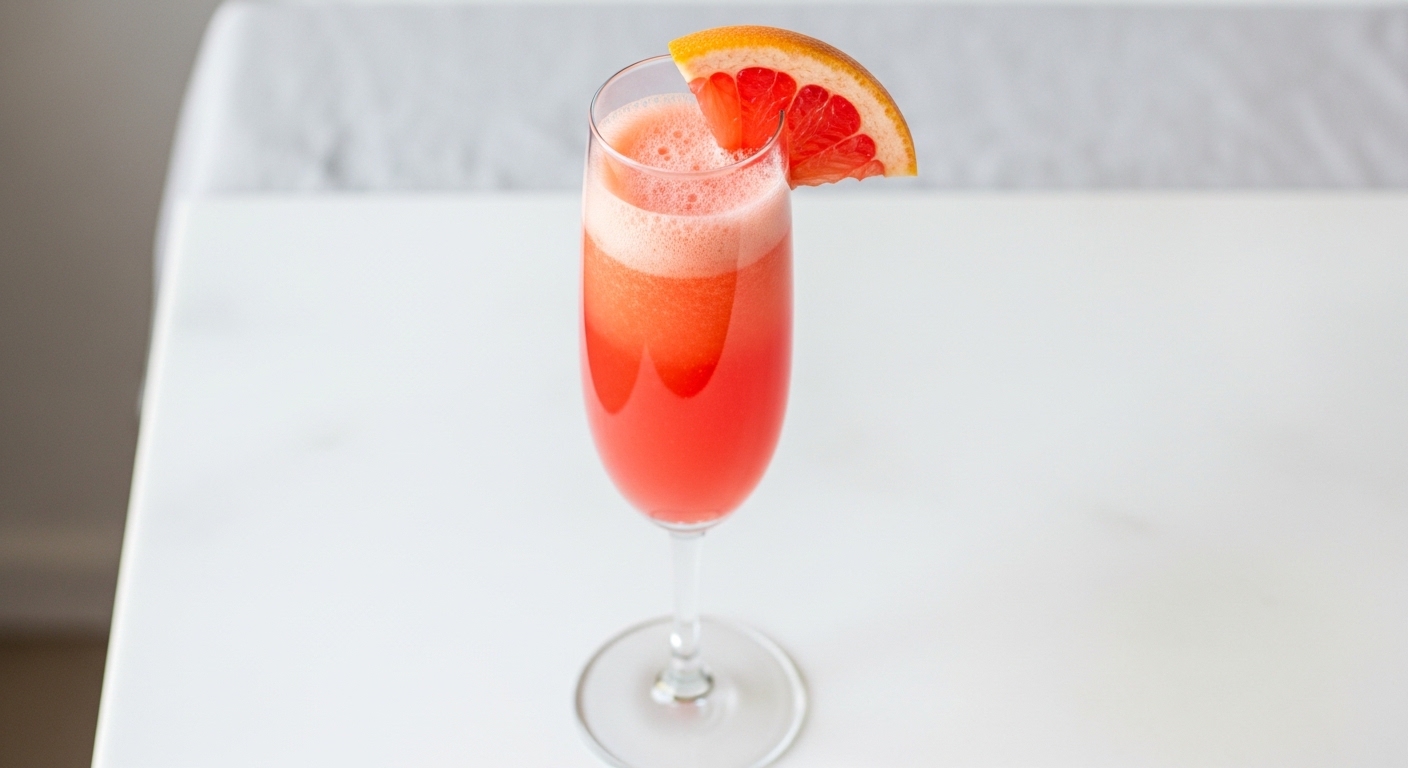
Imagine starting your weekend with a glass that’s both crisp and complex—bright citrus dancing on the palate, layered with the earthy depth of Pinot Noir, all wrapped in the effervescence of champagne. That’s the magic of the Grapefruit Pinot Noir Mimosa. This modern twist on the classic mimosa blends the best of two worlds: the sophistication of wine and the joyful simplicity of bubbly brunch cocktails. With its vibrant pink hue and balanced flavor profile, it’s no surprise this drink has become a favorite among cocktail enthusiasts and casual sippers alike.
Whether you’re hosting a spring gathering or simply treating yourself to a luxurious morning, the Grapefruit Pinot Noir Mimosa delivers elegance without the effort. It’s light yet satisfying, floral yet tangy, and pairs beautifully with everything from avocado toast to smoked salmon canapés. Let’s dive into how to craft this dazzling drink that’s as Instagram-worthy as it is delicious.
Why You’ll Love This Recipe
- Crisp, refreshing flavor – The natural tartness of grapefruit cuts through the richness of Pinot Noir, creating a harmonious balance.
- Quick and easy prep – Ready in under five minutes with just three ingredients.
- Perfect for any occasion – Ideal for brunch, showers, or a solo self-celebration.
- Visually stunning – Its rosy glow makes it look like a sunset in a glass.
- Customizable to taste – Adjust sweetness, acidity, or alcohol level to suit your preference.
The Science Behind the Sparkle
A traditional mimosa combines equal parts sparkling wine and chilled orange juice—simple, timeless, and beloved. But by swapping orange for grapefruit and upgrading to a lighter red wine like Pinot Noir, you elevate the experience. Pinot Noir brings subtle berry notes and soft tannins, while fresh grapefruit adds zesty brightness. Together, they create a drink that feels both indulgent and refreshing—perfect for warming up after winter or cooling down in summer.
Ingredients You’ll Need
Making a Grapefruit Pinot Noir Mimosa is delightfully straightforward. Here’s what you’ll need (makes one serving):
- 6 oz fresh grapefruit juice – Opt for blood or ruby red grapefruit for deeper color and richer flavor.
- 4 oz dry Pinot Noir – Choose an affordable, fruity varietal; avoid overly oaky bottles.
- 6–8 oz chilled brut champagne or prosecco – For maximum bubbles and lift.
- Ice cubes (optional) – To chill ingredients before mixing.
- Fresh grapefruit slice or twist – For garnish.
Optional additions:
- Muddle a few mint leaves for herbal undertones.
- Add a splash of simple syrup if you prefer less tartness.
- Float a dollop of pomegranate arils for texture and color contrast.
Kitchen Tools Needed
- Champagne flute or coupe glass – Essential for showcasing the drink’s beauty.
- Bar spoon – Helps gently stir without losing carbonation.
- Juicer or citrus reamer – For extracting every drop of juice.
- Fine mesh strainer (optional) – Removes pulp if desired.
Step-by-Step Instructions
- Chill your glasses – Pop the champagne flute in the freezer for 10 minutes while prepping other ingredients. Cold glass keeps the drink perfectly fizzy longer.
- Prepare the base – Pour 6 ounces of freshly squeezed grapefruit juice into the bottom of the chilled glass. Pro tip: Use a citrus juicer to get maximum yield and minimize bitterness from pith.
- Add the wine – Slowly pour 4 ounces of dry Pinot Noir over the grapefruit juice. Gently swirl to blend flavors—don’t shake! Shaking introduces air and dulls the wine’s delicate aromatics.
- Top with bubbles – Hold a bar spoon over the rim and slowly pour 6–8 ounces of chilled brut champagne or prosecco down its side. This prevents excessive foam buildup and preserves the drink’s elegant structure.
- Garnish and serve immediately – Add a grapefruit wheel or twist on the rim. Serve alongside breakfast pastries or charcuterie boards for the full experience.
Sensory Highlights
As you take your first sip, notice how the effervescence tickles your tongue, followed by the clean, tangy burst of grapefruit. Then comes the wine’s whisper of cherry and mushroom, which lingers softly before fading into the next round of bubbles. It’s a drink that feels luxurious but never heavy—ideal for lingering conversations or quiet mornings.
Pro Tips for the Perfect Mimosa
- Use room-temperature wine – Never add cold Pinot Noir to chilled grapefruit juice; it causes premature foaming and reduces clarity.
- Strain the juice if needed – Pulp can make the drink gritty, especially if using store-bought juice.
- Don’t overfill the glass – Leave space at the top to prevent spillage when guests reach for their drinks.
- Batch prep ahead of time – Mix grapefruit juice and wine in a pitcher up to 2 hours before serving. Chill separately and combine just before topping with champagne.
Variations to Try at Home
Once you master the classic version, experiment with these fun twists:
- Spicy Grapefruit Pinot Noir Mimosa – Add a pinch of cayenne or a dash of Angostura bitters for warmth and complexity.
- Low-Alcohol Version – Replace Pinot Noir with unsweetened grapefruit soda or mix half sparkling water with half juice.
- Keto-Friendly Option – Use erythritol-sweetened grapefruit nectar instead of fresh juice and skip the wine entirely.
- Berry-Boosted Mimosa – Stir in a teaspoon of blackberry jam to deepen the color and add fruit-forward sweetness.
What to Serve With It
This cocktail shines brightest when paired with light brunch fare. Think buttery croissants, flaky scones, smoked salmon blinis, or goat cheese stuffed mushrooms. For a festive touch, serve alongside mini quiches or deviled eggs. The bright acidity of the mimosa cleanses the palate between bites, making every flavor pop.
Storage and Reheating Tips
Important note: This drink is best enjoyed fresh. Do not store assembled mimosas—the champagne will go flat within minutes. However, you can prepare the grapefruit-wine base up to 24 hours in advance and keep it refrigerated in an airtight container. When ready to serve, top immediately with chilled bubbly.
Frequently Asked Questions (FAQ)
Can I use white grapefruit instead of pink?
Absolutely! White grapefruit yields a paler, milder-tasting mimosa. It’s a great choice if you prefer less sweetness and more citrus purity.
Is Pinot Grigio a good substitute for Pinot Noir?
While both are light wines, Pinot Grigio lacks the depth and slight tannins of Pinot Noir. If unavailable, a dry rosé can work as a backup—though the flavor profile will shift toward strawberry than cherry.
How long does grapefruit juice last in the fridge?
Freshly squeezed grapefruit juice lasts 2–3 days refrigerated. Always check for off smells or mold before using.
Can I make this non-alcoholic?
Yes! Simply omit the Pinot Noir and use extra grapefruit juice or a mix of juice and sparkling water. Add a splash of grenadine for color if desired.
Why is my mimosa foamy?
Excessive foam usually means you poured the champagne too quickly or used warm ingredients. Always pour slowly down the side of the glass and ensure everything is well-chilled.
Final Thoughts
The Grapefruit Pinot Noir Mimosa isn’t just another cocktail trend—it’s a celebration of balance, flavor, and joyful moments. Whether you’re impressing guests or savoring a quiet Sunday, this drink proves that elegance doesn’t have to be complicated. With just a handful of high-quality ingredients and a little technique, you’ve got yourself a brunch centerpiece that tastes like sunshine.
So go ahead—grab your favorite flute, squeeze that grapefruit, and raise a glass to better mornings. Trust us, once you try this version, you’ll never settle for plain orange juice again.
Recipe Card
- Prep Time: 5 minutes
- Cook Time: 0 minutes
- Total Time: 5 minutes
- Servings: 1
- Calories: Approximately 180 (varies by ingredients)
- Cuisine: American / Modern Cocktail
- Course: Brunch, Drink, Cocktail
Note: Nutritional values are estimates based on standard ingredients. Adjustments may apply with substitutions.