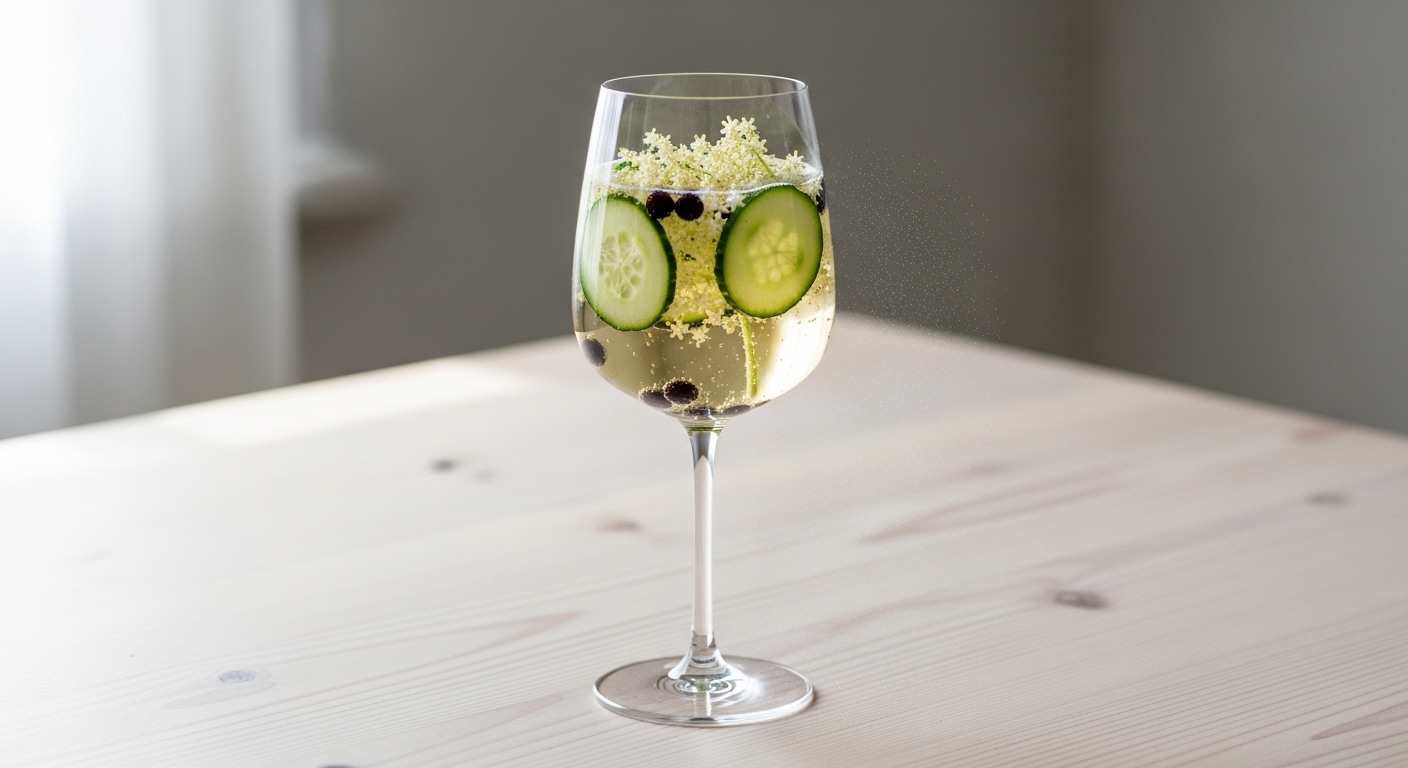
Picture this: golden sunlight streaming through a garden, the gentle clink of ice in a crystal glass, and the first sip of something light, floral, and refreshingly effervescent. That’s elderflower champagne sangria—a dazzling twist on classic sangria that’s taking summer gatherings by storm. Unlike traditional red or white sangria, this version swaps heavy wine for sparkling champagne infused with the delicate sweetness of elderflowers, creating a drink that’s crisp, elegant, and perfect for warm evenings.
Whether you’re hosting a backyard barbecue, a rooftop party, or simply want to elevate your brunch game, this elderflower champagne sangria delivers on taste, visual appeal, and crowd-pleasing charm. It’s not just a beverage—it’s an experience.
Why You’ll Love This Recipe
- Tastes Like Summer in a Glass: The floral notes of elderflower blend seamlessly with bright citrus and subtle fruitiness, offering a sophisticated yet approachable flavor profile.
- Quick and Easy to Make: No complicated techniques or hours of prep. Most of the work happens while the drink chills, making it ideal for last-minute entertaining.
- Customizable & Versatile: Swap fruits, adjust sweetness, or even add a splash of gin for a boozy kick—this recipe is your canvas.
- Visually Stunning: Serve it in a large pitcher with floating berries and edible flowers for Instagram-worthy moments.
- Family-Friendly Option: Non-alcoholic versions are just as delicious, letting everyone enjoy the magic together.
Ingredients You’ll Need for Elderflower Champagne Sangria
Making authentic, balanced elderflower champagne sangria starts with quality ingredients. Here’s what you’ll need (makes about 6–8 servings):
- 1 bottle (750ml) dry sparkling champagne or prosecco (non-vintage is fine)
- 1/2 cup elderflower liqueur (like St-Germain) or homemade elderflower syrup
- 1/4 cup fresh orange juice (not from concentrate)
- 1 tablespoon fresh lemon juice
- 2 tablespoons honey or agave nectar (optional, for extra sweetness)
- 1 orange, sliced into rounds
- 1 lemon, thinly sliced
- 1 lime, halved and sliced
- 1 cup mixed berries (strawberries, raspberries, blueberries)
- 1 cup chopped green apple (for crunch and acidity)
- Ice cubes (for serving)
- Fresh mint sprigs and edible flowers (garnish)
Optional Additions:
- A splash of vodka or gin for extra punch
- Club soda or sparkling water (to dilute if too strong)
- Cucumber slices (for a cool, refreshing note)
Kitchen Tools Needed
- Large glass pitcher (at least 3 quarts)
- Cutting board and knife
- Measuring cups and spoons
- Bar spoon or whisk (to mix gently)
- Fine mesh strainer (optional, for removing pulp)
- Serving glasses (flutes or highball glasses recommended)
Step-by-Step Instructions
- Prep Your Fruits: Wash all fruit thoroughly. Slice oranges, lemons, and limes into thin rounds or wedges. Hull and quarter strawberries. Dice apples into bite-sized pieces. Toss everything together in a bowl.
- Make the Base Mixture: In your large pitcher, combine the orange juice, lemon juice, elderflower liqueur, and honey or agave. Stir gently until the sweetener dissolves completely.
- Add the Fruit: Gently fold in the prepared fruit—orange slices, lemon, lime, berries, and apple. Be careful not to mash them too much; you want texture and visual appeal.
- Chill Overnight (Optional but Recommended): For best results, cover the pitcher and refrigerate for at least 2–4 hours—or ideally overnight. This allows the flavors to meld beautifully.
- Top Off with Bubbles: About 30 minutes before serving, pour in the chilled champagne. Stir gently with a bar spoon to distribute the flavors without losing the fizz.
- Serve Immediately: Fill glasses with ice, ladle in the sangria, and garnish each with a slice of citrus, a few berries, a mint sprig, and maybe a tiny edible flower for flair.
Pro Tips for Perfect Elderflower Champagne Sangria
- Use Fresh Juices: Concentrated juices lack vibrancy. Always go with freshly squeezed citrus for the brightest flavor.
- Don’t Skip the Chill Time: Even if you’re in a rush, try to let the fruit macerate for at least an hour—it makes a world of difference.
- Balance Is Key: If your sangria tastes too sweet, add a splash of club soda. Too tart? A teaspoon of honey can help.
- Garnish Generously: Presentation matters. Floating fruit and herbs make your drink look restaurant-quality.
- Make It Ahead: This sangria tastes better after a few hours in the fridge. Prepare it the night before your event!
Variations to Try at Home
Non-Alcoholic Version
Replace the champagne with cold sparkling water or a premium non-alcoholic sparkling wine. Keep the elderflower syrup, citrus, and fruit—it’ll still be refreshingly fruity and floral.
Spicy Kick
Add a pinch of cayenne pepper or muddle a few slices of jalapeño into the fruit before mixing. The heat balances the sweetness beautifully.
High-Protein Twist
Blend in a scoop of vanilla protein powder (unflavored works too) when mixing the liquid base. It adds creaminess and keeps things satisfying.
Keto-Friendly Option
Substitute honey with a keto-approved sweetener like erythritol or monk fruit. Use sugar-free elderflower syrup if available.
What to Serve With Elderflower Champagne Sangria
This sparkling cocktail pairs wonderfully with light appetizers and summer dishes:
- Grilled shrimp skewers with lemon herb butter
- Caprese salad with balsamic glaze
- Mini quiches or deviled eggs
- Fresh fruit platters and cheese boards
- Light salads with goat cheese and arugula
Its floral brightness cuts through rich foods, making it a versatile companion for any menu.
Storage and Reheating Tips
Unlike most sangrias, elderflower champagne sangria should not be stored long-term because the carbonation will dissipate. However:
- Best Served Fresh: Consume within 24 hours of assembling for peak fizz and flavor.
- Keep Chilled: Store any leftover liquid (without fruit) in the fridge for up to 2 days—but reassemble just before serving.
- No Heating: Never reheat—this is strictly a cold, refreshing drink.
Frequently Asked Questions (FAQ)
Can I use store-bought elderflower syrup instead of liqueur?
Absolutely! Use 1/2 cup of store-bought elderflower syrup if you don’t have liqueur. Adjust sweetness to taste by adding a bit more honey if needed.
Is elderflower champagne sangria safe during pregnancy?
Due to the alcohol content, it’s best avoided during pregnancy. Opt for the non-alcoholic version made with sparkling water.
How do I make this drink more budget-friendly?
Substitute prosecco or even cheap sparkling wine for champagne, and use seasonal, local fruit to cut costs without sacrificing flavor.
Can I freeze this sangria?
Not recommended—the bubbles will pop, and the texture becomes unpleasantly icy. Always serve fresh and chilled.
Does this work with other types of sparkling wine?
Yes! Prosecco, Cava, or even California sparkling wine all work well. Choose one with dryness level closest to Brut for balance.
Final Thoughts
If you’ve been searching for a show-stopping, easy-to-make drink that feels luxurious but isn’t complicated, elderflower champagne sangria is your answer. It’s the kind of beverage that turns heads, sparks conversation, and leaves guests asking for the recipe long after the party ends.
With its delicate floral aroma, crisp bubbles, and vibrant fruit medley, this sangria embodies the essence of summer elegance. Whether you’re celebrating a milestone, enjoying a lazy Sunday, or impressing dinner guests, this recipe delivers on every front.
So go ahead—gather your favorite fruits, grab that bottle of champagne, and create your own bubbly masterpiece. Your taste buds (and your social media feed) will thank you.
Recipe Card: Elderflower Champagne Sangria
- Prep Time: 15 minutes
- Chill Time: 2–4 hours (or overnight)
- Cook Time: 0 minutes
- Total Time: 2 hours 15 minutes
- Servings: 6–8
- Calories: Approximately 180 per serving (varies based on alcohol and fruit used)
- Cuisine: Spanish-inspired / Modern Cocktail
- Course: Beverage, Cocktail, Appetizer