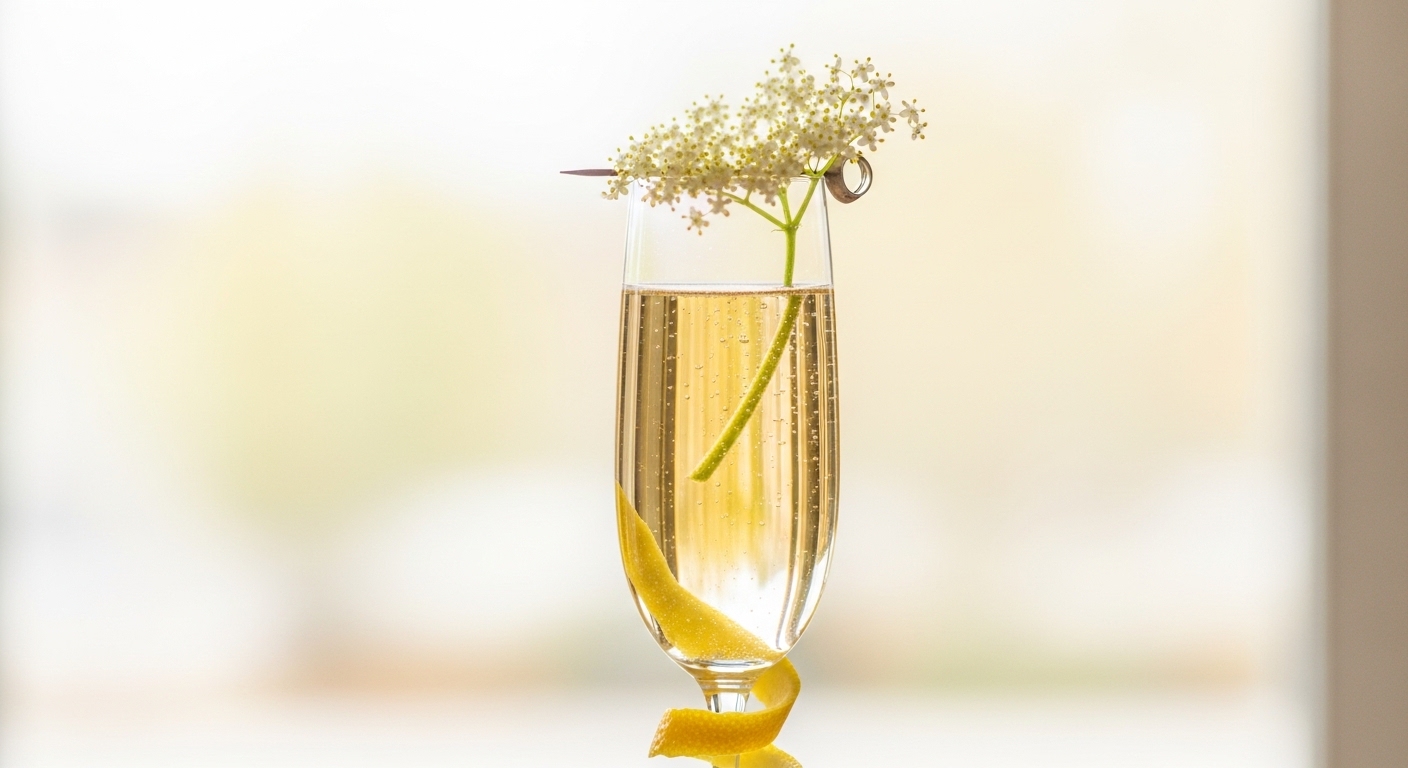
Imagine sipping a glass of something so elegant, so refreshing, and yet so easy to make that it feels like you’ve just stepped into a Parisian café on a sunny morning. Enter the Elderflower Champagne Mimosa—a dazzling twist on the classic brunch favorite that blends crisp champagne with the delicate floral notes of elderflower liqueur. This sparkling cocktail isn’t just a drink; it’s an experience—light, effervescent, and subtly sweet, perfect for mimicking the magic of a French mimosa with a sophisticated European flair.
Why is this version trending? Because it elevates the humble mimosa from a simple brunch staple to a luxurious sip that impresses guests and satisfies your sweet tooth without guilt. With its golden hue and delicate aroma, the Elderflower Champagne Mimosa pairs beautifully with everything from smoked salmon blinis to fresh fruit platters. Whether you’re hosting a garden party or simply treating yourself to a moment of indulgence, this cocktail delivers elegance in every bubbly sip.
Why You’ll Love This Recipe
- Tastes Like Luxury: The floral sweetness of elderflower balances perfectly with the dryness of champagne, creating a harmonious blend that’s both refreshing and complex.
- Ultra-Simple Prep: No fancy techniques or hours of waiting. Just mix, pour, and enjoy.
- Perfect for Brunch or Celebrations: Ideal for Mother’s Day mimosas, baby showers, or any festive occasion where sparkle is key.
- Customizable: Easily adjust sweetness or alcohol levels to suit your taste or dietary preferences.
- Visually Stunning: Serve in chilled flute glasses for a restaurant-worthy presentation that wows your guests.
Ingredients You’ll Need
Making an Elderflower Champagne Mimosa is as easy as assembling a classic mimosa—just swap in one magical ingredient. Here’s what you’ll need for one serving (double or triple as needed):
- 1½ ounces (45 ml) fresh orange juice (preferably not from concentrate)
- ¾ ounce (22 ml) elderflower liqueur (such as St-Germain)
- 4–5 ounces (120–150 ml) chilled dry champagne or prosecco
- Orange slice or twist (for garnish)
- Optional: A splash of sparkling water or lemon-lime soda for extra fizz
Substitutions & Variations:
- For a non-alcoholic version: Replace elderflower liqueur with elderflower syrup and use a premium non-alcoholic sparkling wine.
- Citrus twist: Swap orange juice for grapefruit juice for a slightly tart variation known as a “spritz” style.
- Berry boost: Add a few crushed raspberries to the glass before pouring for a fruity burst.
Kitchen Tools Needed
- Chilled champagne flutes
- Bar spoon (optional, for gentle mixing)
- Jigger or measuring shot glass
- Strainer (if using muddled fruit)
- Ice bucket (to keep bottles cold while serving)
Step-by-Step Instructions
- Chill Your Glasses: Place your champagne flutes in the freezer for at least 10 minutes before serving. A cold glass keeps the bubbles lively longer.
- Mix the Base: In a small pitcher or shaker, combine the fresh orange juice and elderflower liqueur. Stir gently to blend.
- Pour with Care: Fill each chilled flute about two-thirds full with the orange-elderflower mixture. Avoid shaking—gentle pouring preserves carbonation.
- Add the Bubbles: Slowly top off each glass with chilled champagne. Pour along the side of the glass to minimize fizz loss.
- Garnish & Serve Immediately: Add an orange slice or twist to the rim for a pop of color and aroma. Serve immediately while effervescent.
Pro Tips for the Perfect Elderflower Champagne Mimosa
- Use Fresh Orange Juice: Pre-squeezed or store-bought concentrate lacks the vibrant flavor needed to shine alongside elderflower.
- Don’t Overfill: Leave room at the top so the foam doesn’t spill over when guests pick up their glasses.
- Quality Matters: Choose a dry, high-quality champagne or prosecco—sweet sparkling wines will clash with the delicate elderflower.
- Prep Ahead: Make the citrus-liqueur base the night before and refrigerate. Just add champagne when ready to serve.
- Temperature Is Key: Cold ingredients = longer-lasting bubbles. Keep everything well-chilled until service.
Variations to Try at Home
1. Spicy Elderflower Mimosa
Want a little kick? Add a pinch of cayenne pepper or a dash of chili-infused syrup to the base. The heat contrasts beautifully with the floral sweetness.
2. Low-Calorie Light Version
Reduce the elderflower liqueur to ½ ounce and use a brut champagne (which has fewer residual sugars). You can also opt for a sugar-free elderflower syrup.
3. Coconut Elderflower Spritz
Replace half the orange juice with coconut water and add a splash of lime juice. Top with prosecco and garnish with toasted coconut flakes.
4. Mocktail Mimosa
Skip the alcohol entirely. Use a premium non-alcoholic champagne alternative and a dash of grenadine for a visually striking, kid-friendly option.
What to Serve With an Elderflower Champagne Mimosa
This sparkling cocktail shines brightest when paired with light, savory bites. Think:
- Smoked salmon crostini with dill cream cheese
- Mini quiches or deviled eggs
- Fresh fruit skewers (strawberries, melon, grapes)
- Buttery scones with clotted cream and jam
- Goat cheese stuffed dates wrapped in prosciutto
The crisp acidity of the mimosa cuts through rich flavors, making it a versatile match for brunch spreads.
Storage and Reheating Tips
Unfortunately, mimosas don’t reheat—they’re best served fresh and bubbly. However, if you prepare the base mixture ahead of time:
- Store in an airtight container in the fridge for up to 24 hours.
- Never store mixed mimosa with champagne—carbonation will be lost.
- If leftover base remains after serving, freeze it for smoothies or pancake batter.
Frequently Asked Questions (FAQ)
Can I make Elderflower Champagne Mimosas ahead of time?
You can prepare the citrus-liqueur base up to a day in advance and store it in the refrigerator. Just add champagne right before serving to preserve fizz.
Is elderflower liqueur the same as elderflower syrup?
Not exactly. Liqueur contains alcohol and higher sugar content, while syrup is purely sweet. Both work in this recipe, but liqueur adds depth and complexity.
Can I use white cranberry juice instead of orange?
Yes, but it changes the profile significantly. White cranberry adds tartness and a pink hue, creating a “cran-mimosa” effect. It’s delicious but distinct from the traditional Elderflower Champagne Mimosa.
How do I know if my elderflower liqueur is expired?
Check the label—most have a long shelf life. If it smells off, tastes flat, or develops mold, discard it. When in doubt, buy fresh.
Can I substitute prosecco for champagne?
Absolutely! Prosecco is lighter and fruitier, which complements elderflower beautifully. Just ensure it’s dry (“brut” or “extra dry”) to avoid clashing sweetness.
Final Thoughts
The Elderflower Champagne Mimosa isn’t just a cocktail—it’s a celebration in a glass. With its delicate floral notes, bright citrus, and endless bubbly potential, it transforms even the simplest brunch into a gourmet affair. Whether you’re impressing dinner guests or treating yourself to a Sunday ritual, this drink delivers elegance without effort.
So go ahead—grab a bottle of prosecco, squeeze some fresh oranges, and pour yourself a glass. Life’s too short not to sip something extraordinary.
Recipe Card
- Prep Time: 5 minutes
- Cook Time: 0 minutes
- Total Time: 5 minutes
- Servings: 1
- Calories: Approximately 220 (based on standard ingredients)
- Cuisine: French / Modern American
- Course: Cocktail, Brunch Drink