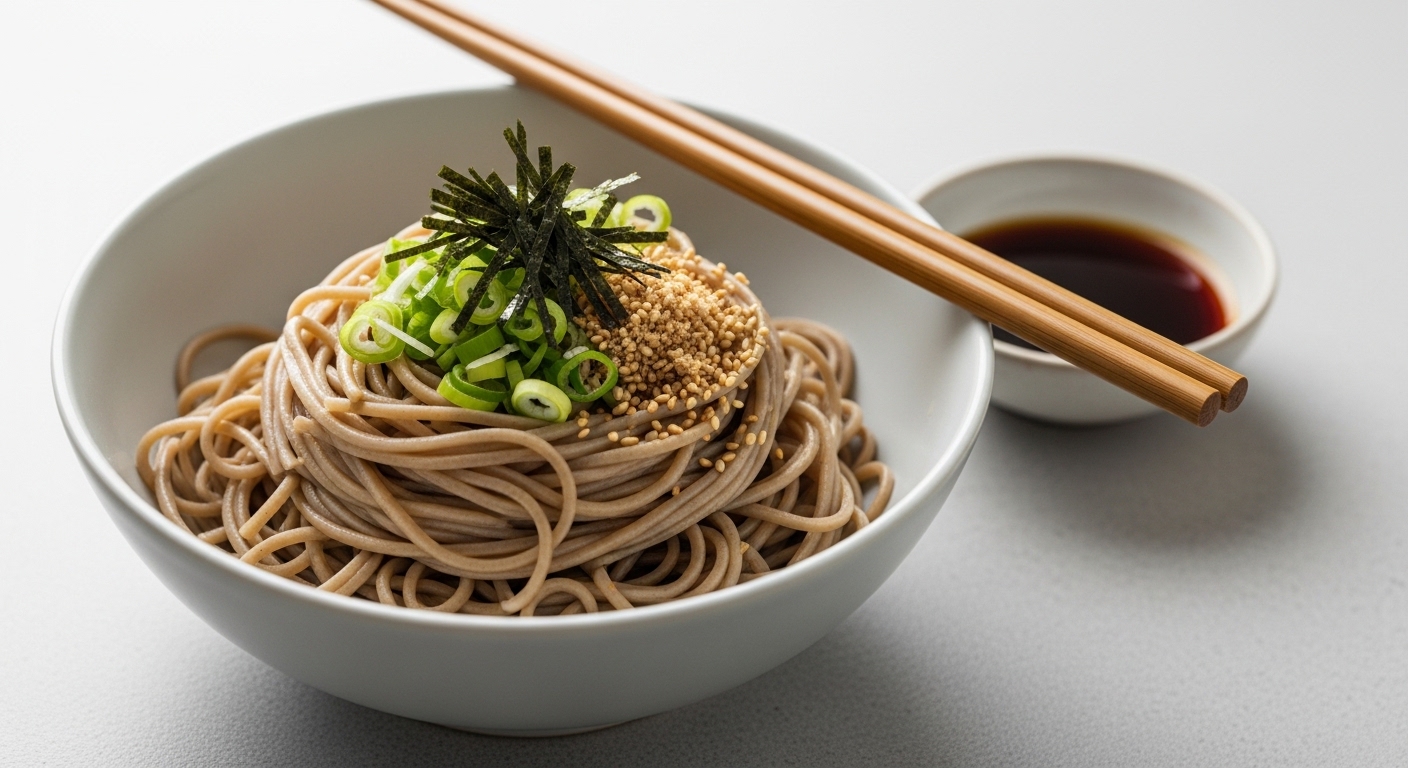
Imagine a bowl of noodles so cool, so vibrant, and so full of flavor that it feels like summer in a dish. That’s exactly what chilled soba noodles bring to the table—a harmonious blend of nutty buckwheat, crisp vegetables, and a tangy dipping sauce that dances on your taste buds. Perfect for warm days when you crave something light yet satisfying, this dish is more than just a meal; it’s an experience. Whether you’re looking for a quick lunch or a refreshing side, chilled soba noodles deliver both simplicity and sophistication in one bite.
Why You’ll Love This Recipe
- Taste: Rich, earthy buckwheat noodles balanced with bright citrus and savory umami notes.
- Texture: Al dente noodles with a satisfying chew, paired with fresh, crunchy toppings.
- Simplicity: Ready in under 30 minutes with minimal prep and no complicated techniques.
- Health Benefits: Naturally gluten-free (when using authentic soba), high in protein, and packed with fiber.
- Versatility: Customizable to suit dietary needs—vegan, keto-friendly, or loaded with extra veggies.
What Are Soba Noodles?
Soba noodles are traditionally made from buckwheat flour and wheat flour, giving them a distinctive golden hue and a nutty flavor that sets them apart from regular wheat noodles. While some versions contain only buckwheat (and are fully gluten-free), others include wheat, so always check the packaging. Chilled soba noodles are typically served cold, often with a dipping sauce called tentsuyu, which is made from dashi, soy sauce, mirin, and sugar. The cold serving method enhances their delicate texture and makes them ideal for hot weather.
Ingredients for Chilled Soba Noodles
Here’s everything you need to make this refreshing dish at home. All measurements are for four servings unless otherwise noted.
For the Noodles:
- 8 oz dried soba noodles (check label for gluten content)
- 4 cups water (for blanching)
For the Dipping Sauce (Tentsuyu):
- 1/2 cup dashi broth (or vegetable stock as substitute)
- 3 tbsp soy sauce (use tamari for gluten-free option)
- 2 tbsp mirin
- 1 tsp sugar or maple syrup
For Garnish & Serving:
- Thinly sliced scallions
- Shredded nori (seaweed sheets), torn into small pieces
- Wakame seaweed (optional, soaked and drained)
- Shichimi togarashi (Japanese seven-spice blend), for heat
- Lemon or yuzu slices (optional)
Kitchen Tools Needed
- Large pot
- Colander or strainer
- Mixing bowls
- Measuring spoons and cups
- Wooden chopsticks or fork (for tossing noodles)
Step-by-Step Instructions
- Cook the Soba Noodles: Bring 4 cups of water to a boil in a large pot. Add the soba noodles and cook according to package instructions—usually 4–6 minutes. They should be firm but tender. Drain immediately and rinse under cold running water to stop the cooking process and remove excess starch.
- Prepare the Dipping Sauce: In a small saucepan, combine dashi, soy sauce, mirin, and sugar. Warm over low heat until the sugar dissolves. Do not let it boil. Remove from heat and set aside to cool.
- Chill the Noodles: Place the rinsed noodles in a colander and run cold water over them for 30 seconds. Shake gently to remove excess moisture, then transfer to a large mixing bowl. Add a few drops of neutral oil (like sesame or avocado) to prevent sticking, if desired.
- Assemble and Serve: Divide the noodles among individual bowls. Top each portion with scallions, nori, wakame, and a squeeze of lemon if using. Serve with the tentsuyu sauce on the side for dipping.
Pro Tips for Perfect Chilled Soba Noodles
- Rinse Immediately: Rinsing after cooking is non-negotiable—it removes excess starch and gives soba its signature al dente texture.
- Use Cold Water Only: Never plunge hot noodles into ice water; use room-temperature or cold tap water to avoid shocking the noodles.
- Don’t Skip the Oil: A tiny amount of oil prevents clumping without making the noodles greasy.
- Make It Ahead: Cooked soba can be stored in the fridge for up to 2 days. Toss with a bit of oil before serving to refresh.
Variations to Try
Spicy Version:
Add 1–2 tsp of gochujang (Korean chili paste) or sriracha to the tentsuyu sauce for a fiery kick. Top with julienned radishes and pickled ginger for extra zing.
High-Protein Option:
Garnish with marinated tofu, edamame, or a soft-boiled egg (cut in half). These add richness and balance the lightness of the noodles.
Vegan Friendly:
Ensure your dashi is plant-based (made from kombu and katsuobushi-free mushroom broth works well). Use tamari instead of soy sauce and maple syrup instead of mirin.
Keto-Friendly Twist:
Replace soba noodles with spiralized cucumber or zucchini noodles (zoodles) for a low-carb alternative. Serve with a reduced sauce made from coconut aminos, lime juice, and chia seeds.
What to Serve With Chilled Soba Noodles
Chilled soba noodles shine as a standalone dish, but they pair beautifully with other Asian-inspired sides. Try serving them with miso-glazed eggplant, tempura vegetables, or a simple cucumber salad with rice vinegar. For a complete meal, add grilled chicken or tofu skewers brushed with teriyaki sauce.
Storage and Reheating Tips
- Storage: Store cooked soba noodles in an airtight container in the refrigerator for up to 2 days. Keep the sauce separate to prevent sogginess.
- Reheating: Chilled soba noodles are best served cold. If you prefer warm soba, reheat briefly in boiling water for 30 seconds, drain, and toss with a little tentsuyu.
Frequently Asked Questions (FAQ)
Can I use udon or ramen noodles instead?
While possible, it will change the flavor and texture significantly. Udon is too chewy, and ramen lacks the nutty depth of soba. Authentic soba provides the best experience.
Is soba noodles gluten-free?
Not all soba noodles are gluten-free. Look for those labeled “100% buckwheat” or “gluten-free soba.” Always verify the ingredient list to be sure.
Can I make this ahead of time?
Yes! Cook the noodles and prepare the sauce up to two days in advance. Assemble just before serving for maximum freshness.
What if I don’t have dashi?
You can substitute with vegetable or chicken broth. For a richer flavor, dissolve kombu (dried kelp) in hot water for 10 minutes, strain, and use that as your base.
How do I know if my soba noodles are done?
Test one by biting into it. It should be firm with a slight resistance—like pasta “al dente.” Overcooked soba becomes mushy and loses its character.
Final Thoughts
Chilled soba noodles are more than just a trendy dish—they’re a celebration of balance, flavor, and seasonal eating. With their earthy sweetness, crisp textures, and refreshing finish, they’re perfect for any occasion, from casual dinners to elegant gatherings. Plus, their health benefits and adaptability make them a smart choice for modern kitchens. So next time you’re craving something light yet deeply satisfying, reach for chilled soba noodles. Your palate will thank you.
Recipe Card: Chilled Soba Noodles
- Prep Time: 15 minutes
- Cook Time: 8 minutes
- Total Time: 23 minutes
- Servings: 4
- Calories: Approximately 220 per serving
- Cuisine: Japanese
- Course: Main Dish, Lunch, Appetizer
Enjoy this recipe? Pin it for later!