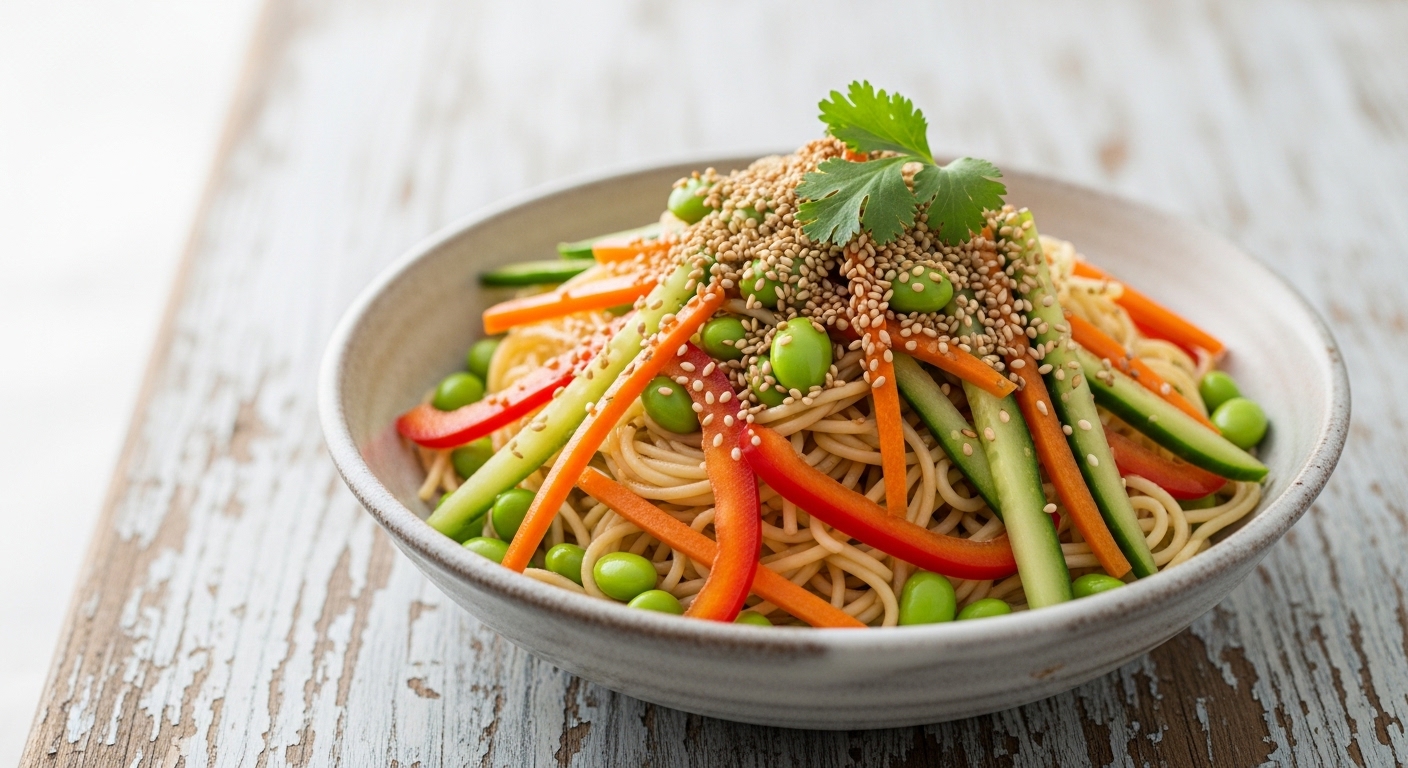
Looking for a light yet satisfying meal that’s bursting with umami, crunch, and cool refreshment? Chilled sesame veggie noodles might just be your new go-to. This vibrant dish combines silky noodles with crisp vegetables and a rich, nutty sesame dressing that clings to every strand. Perfect for hot days, meal prep, or impressing guests with minimal effort, it’s as delicious as it is easy to make.
Imagine slurping up tender noodles coated in a creamy, savory-sweet tahini-based sauce, balanced with tangy rice vinegar and a hint of garlic. Add in julienned carrots, cool cucumber, and peppery radishes, and you’ve got a textural symphony that’s both refreshing and deeply satisfying. Whether you’re vegan, gluten-free, or simply craving something different, this recipe delivers big flavor without the heaviness.
Why You’ll Love This Recipe
Chilled sesame veggie noodles aren’t just a side dish—they’re a full experience. The first bite delivers a cool crunch from the vegetables, followed by the smooth glide of noodles and the rich, nutty depth of the sesame dressing. It’s the kind of dish that makes you close your eyes and savor each mouthful.
- Quick & Easy: Ready in under 30 minutes with minimal cooking.
- Nutrient-Rich: Packed with fiber, vitamins, and plant-based protein.
- Customizable: Swap veggies, adjust spice, or add protein like tofu or edamame.
- Perfect for Meal Prep: Stays fresh and flavorful for up to 4 days in the fridge.
- No-Cook Option: Use pre-cooked noodles or spiralized zucchini for a raw version.
This dish shines as a light lunch, a vibrant side at a barbecue, or a make-ahead dinner when you’re short on time. It’s also naturally vegan and can easily be made gluten-free with the right noodles—making it inclusive for many dietary needs.
Ingredients
Every ingredient in this chilled sesame veggie noodles recipe plays a key role in building layers of flavor and texture. Here’s what you’ll need for 4 generous servings:
- 8 oz (225g) noodles: Soba, rice noodles, or spaghetti work well.
- 1 medium cucumber: Peeled and julienned or thinly sliced.
- 1 large carrot: Julienned or spiralized for extra fun.
- 4 radishes: Thinly sliced for a peppery bite.
- 1 red bell pepper: Cut into thin strips for sweetness and color.
- 2 green onions: Sliced on the diagonal for freshness.
- 1/4 cup fresh cilantro or parsley: Chopped, for herbal brightness.
- 1/4 cup toasted sesame seeds: For garnish and nutty crunch.
Sesame Dressing
- 3 tbsp tahini (sesame paste): The star of the sauce—creamy and rich.
- 2 tbsp soy sauce or tamari: For umami depth (use tamari for gluten-free).
- 1 tbsp rice vinegar: Adds tang and brightness.
- 1 tbsp maple syrup or agave: Balances the saltiness with subtle sweetness.
- 1 clove garlic: Minced or grated for pungent kick.
- 1 tsp grated fresh ginger: For warmth and complexity.
- 2–3 tbsp cold water: To thin the dressing to a pourable consistency.
- 1 tsp toasted sesame oil: For aromatic depth (don’t skip this!).
- Optional: 1/2 tsp chili garlic sauce or sriracha for heat.
Ingredient Notes & Substitutions
Flexibility is one of the best things about this recipe. Here’s how to adapt it to your pantry and preferences:
- Noodles: Soba noodles (buckwheat-based) are traditional and nutty, but rice noodles or whole wheat spaghetti work great. For a low-carb option, try zucchini or sweet potato noodles.
- Tahini: If you don’t have tahini, blend 3 tbsp unsalted peanut butter with 1 tsp sesame oil for a similar effect—though the flavor will be slightly different.
- Soy Sauce: Tamari is a gluten-free alternative with a richer flavor. Coconut aminos offer a sweeter, soy-free option.
- Sweetener: Honey works if you’re not vegan. Brown rice syrup or date syrup are also excellent choices.
- Veggies: Feel free to add shredded purple cabbage, snap peas, or jicama for extra crunch. Leftover roasted veggies can also be tossed in for a heartier version.
Kitchen Tools Needed
You don’t need fancy equipment to make chilled sesame veggie noodles. A few basic tools will do:
- Large pot: For boiling noodles.
- Mixing bowls: One large for noodles and veggies, one small for dressing.
- Whisk or fork: To emulsify the dressing.
- Vegetable peeler or julienne cutter: For even, restaurant-style veggie cuts.
- Tongs or fork: For tossing noodles.
- Airtight container: For storage (if meal prepping).
How to Make Chilled Sesame Veggie Noodles
This recipe is all about timing and layering flavors. The noodles cook quickly, the veggies stay crisp, and the dressing comes together in minutes. Here’s the full method broken down into simple steps.
Step-by-Step Instructions
- Cook the noodles: Bring a large pot of salted water to a boil. Add noodles and cook according to package instructions until al dente. Drain and rinse immediately under cold water to stop cooking and chill them. Toss with a drizzle of sesame oil to prevent sticking.
- Prep the vegetables: While noodles cook, julienne or thinly slice the cucumber, carrot, radishes, and bell pepper. Slice green onions and chop herbs. Set aside.
- Make the dressing: In a small bowl, whisk together tahini, soy sauce, rice vinegar, maple syrup, garlic, and ginger. Add cold water 1 tablespoon at a time until the dressing reaches a smooth, pourable consistency. Stir in sesame oil and chili sauce (if using).
- Combine everything: In a large mixing bowl, add the chilled noodles and all the prepared vegetables. Pour the dressing over the top and toss gently until everything is evenly coated.
- Chill and serve: For best flavor, cover and refrigerate for at least 30 minutes to let the flavors meld. Before serving, give it a final toss and sprinkle with toasted sesame seeds and extra herbs.
Pro Tips
- Toast your sesame seeds: Dry-toast them in a pan over medium heat for 2–3 minutes until golden and fragrant. This boosts their nutty flavor dramatically.
- Don’t skip the cold rinse: Rinsing noodles under cold water stops residual cooking and keeps them from becoming mushy—plus, it’s essential for the “chilled” texture.
- Taste and adjust: Sesame dressing can vary in saltiness and thickness. Always taste before tossing and add more vinegar for tang or water for flow.
- Let it marinate: The longer it sits, the better it tastes. Make it a few hours ahead or even the night before for deeper flavor.
- Use room-temperature tahini: Cold tahini can be thick and hard to whisk. Let it sit out for 15 minutes before using.
Variations
Make this dish your own with these creative twists:
- Protein-Packed: Add grilled tofu, tempeh, shredded chicken, or boiled edamame for a complete meal.
- Spicy Version: Stir in extra chili garlic sauce, sliced Thai chilies, or a sprinkle of red pepper flakes.
- Asian Fusion: Top with crushed peanuts, a soft-boiled egg, or a drizzle of hoisin sauce.
- Raw & Vegan: Use spiralized zucchini or sweet potato noodles and serve immediately for a no-cook option.
- Herbal Boost: Add mint, Thai basil, or dill for a fresh, aromatic twist.
What to Serve With It
Chilled sesame veggie noodles are versatile enough to stand alone or pair beautifully with other dishes:
- Grilled proteins: Skewers of chicken, shrimp, or tofu.
- Spring rolls: Fresh Vietnamese-style rolls with herbs and dipping sauce.
- Miso soup: A warm, savory contrast to the cool noodles.
- Pickled vegetables: Quick-pickled daikon or carrots add acidity and crunch.
- Steamed dumplings: Pork, vegetable, or shrimp dumplings make a satisfying combo.
Storage & Reheating
This dish is a meal-prep dream. Store leftovers in an airtight container in the refrigerator for up to 4 days. The noodles will soften slightly, but the flavors will deepen—many people say it tastes even better the next day!
Note: This dish is best served cold. Do not reheat, as it will lose its refreshing quality and the vegetables may become soggy.
Common Mistakes to Avoid
- Overcooking the noodles: Mushy noodles ruin the texture. Cook just until al dente and rinse immediately.
- Skipping the sesame oil: It adds a distinct aroma and prevents sticking—don’t substitute with regular oil.
- Using cold tahini straight from the fridge: It won’t blend smoothly. Let it warm up first.
- Not toasting sesame seeds: Raw seeds lack depth. Toasting unlocks their full flavor.
- Tossing too soon: Let the dish chill for at least 30 minutes to allow flavors to meld.
Frequently Asked Questions
Can I make this dish gluten-free?
Yes! Use 100% buckwheat soba noodles or rice noodles, and substitute soy sauce with tamari or coconut aminos.
Is tahini the same as sesame oil?
No. Tahini is a paste made from ground sesame seeds, while sesame oil is the pressed oil. Both are used here—tahini for creaminess, sesame oil for aroma.
Can I use pre-made sesame dressing?
You can, but homemade is far superior in flavor and freshness. Store-bought versions often contain preservatives and lack the balance of acid and sweetness.
How long do the noodles stay fresh?
Up to 4 days in the refrigerator. Stir before serving and add a splash of water or vinegar if the dressing thickens.
Can I freeze this dish?
Not recommended. The vegetables will lose their crunch, and the texture of the noodles may degrade upon thawing.
Final Thoughts
Chilled sesame veggie noodles are more than just a recipe—they’re a celebration of fresh, bold flavors and smart, simple cooking. With minimal effort, you get a dish that’s cool, creamy, crunchy, and deeply satisfying. Whether you’re feeding a crowd, packing lunch, or treating yourself to a flavorful reset, this dish delivers every time.
So next time the heat hits or your fridge is looking bare, whip up a batch of these vibrant noodles. Your taste buds—and your schedule—will thank you.
Recipe Details
- Prep Time: 15 minutes
- Cook Time: 10 minutes
- Total Time: 25 minutes (+30 minutes chilling)
- Servings: 4
- Calories: ~320 per serving (varies by noodles and additions)
- Cuisine: Asian-inspired, Fusion
- Course: Main Dish, Side Dish, Lunch
Key Takeaways
- Chilled sesame veggie noodles are a refreshing, no-fuss meal perfect for warm weather.
- The creamy tahini-based dressing is rich, balanced, and full of umami.
- Customize with your favorite veggies, proteins, or spice levels.
- Ideal for meal prep and naturally vegan (with gluten-free options).
- Best served cold after a brief chill to let flavors develop.