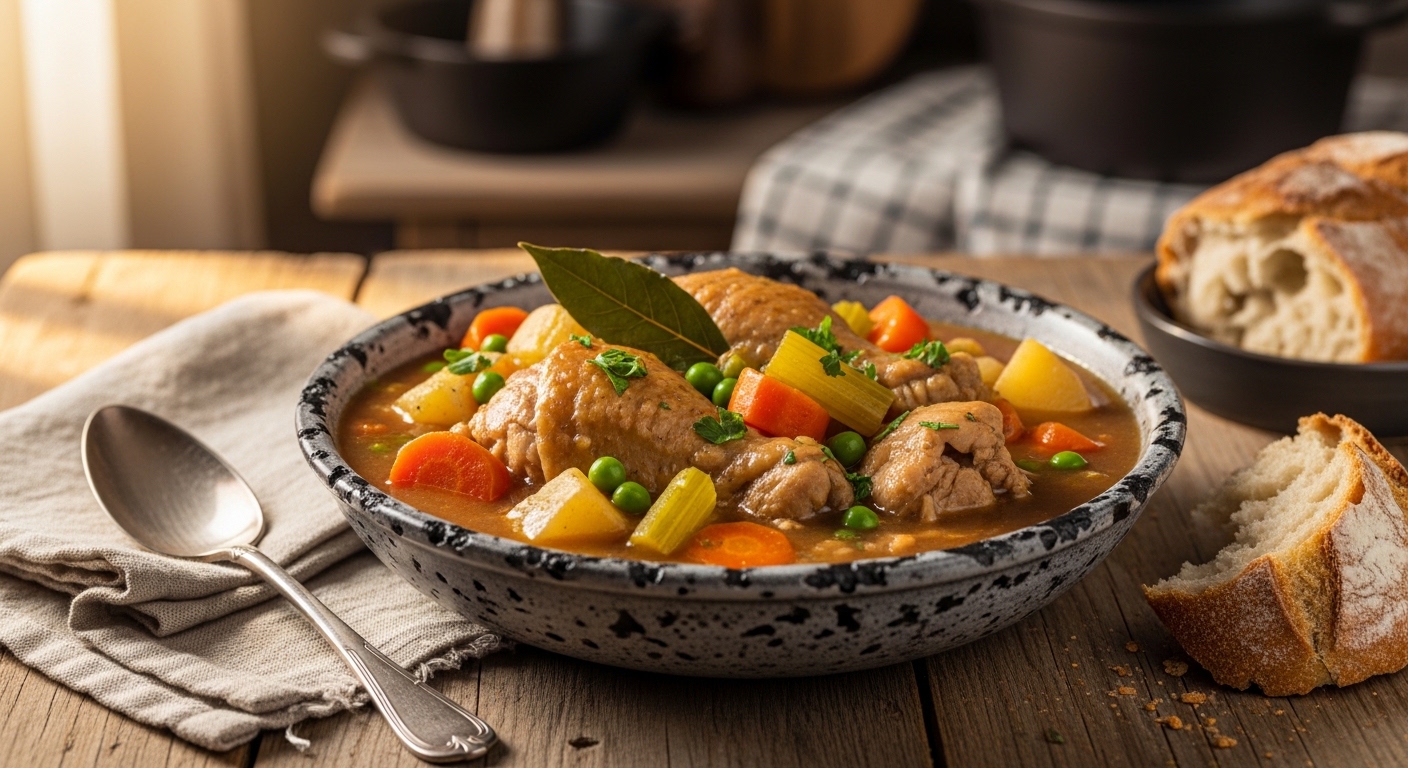
There’s something deeply satisfying about a bowl of rustic chicken stew—warm, rich, and brimming with wholesome ingredients that comfort the soul. Whether you’re looking for a one-pot meal that feeds the whole family or a dish that brings warmth to a chilly evening, this classic recipe delivers on flavor, texture, and ease. Made with tender chicken, root vegetables, aromatic herbs, and a slow-cooked broth, rustic chicken stew is more than just food—it’s a celebration of home cooking at its finest.
This dish has roots in European farmhouse cuisine, particularly French *pot-au-feu* and American frontier stews. Over time, it evolved into the hearty, unfussy meals we know today—perfect for using up leftover vegetables or turning simple pantry staples into something extraordinary. With every spoonful, you’ll taste the balance of savory chicken, earthy vegetables, and a deeply flavorful broth that lingers on the palate.
Why Rustic Chicken Stew Stands Out
Unlike overly complicated gourmet dishes, rustic chicken stew embraces simplicity and depth. The key lies in slow cooking—allowing flavors to meld and meats to become fork-tender. This method not only enhances taste but also maximizes nutrition by breaking down connective tissues in the chicken into gelatin, which adds richness and body to the stew.
What makes this recipe especially beloved is its versatility. You can adjust it based on what’s in season or available at the market. Plus, it’s naturally gluten-free (when using appropriate broth) and can be easily adapted for dietary preferences without sacrificing heartiness.
Whether served over crusty bread, creamy mashed potatoes, or simply enjoyed with a sprinkle of fresh parsley, this stew is a timeless favorite that never goes out of style.
Quick Recipe Summary
| Metric | Value |
|---|---|
| Prep Time | 20 minutes |
| Cook Time | 1 hour 15 minutes |
| Total Time | 1 hour 35 minutes |
| Servings | 6 |
| Cuisine | American / European Farmhouse |
| Course | Lunch, Dinner, Main Course |
| Calories (approx.) | 380 per serving |
Ingredients for Rustic Chicken Stew
Here’s everything you’ll need to make a generous, comforting batch of rustic chicken stew:
- 2 lbs bone-in, skin-on chicken thighs (about 6–8 pieces)
- 4 tablespoons olive oil (divided)
- 1 large onion, chopped
- 4 garlic cloves, minced
- 2 medium carrots, peeled and sliced thickly
- 2 celery stalks, diced
- 1 large parsnip, peeled and cut into chunks (optional but traditional)
- 1 medium potato, cubed
- 1 cup pearl onions (or 1 small yellow onion, halved)
- 2 bay leaves
- 1 teaspoon dried thyme (or 1 tablespoon fresh)
- 1 teaspoon dried rosemary
- 6 cups low-sodium chicken broth
- Salt and freshly ground black pepper (to taste)
- 1 cup frozen peas (added at the end)
- 2 tablespoons tomato paste
- 1 tablespoon cornstarch (optional, for thickening)
- Fresh parsley (for garnish)
Step-by-Step Cooking Instructions
Follow these simple steps to create a deeply flavorful rustic chicken stew:
- Brown the Chicken: Heat 2 tablespoons of olive oil in a heavy-bottomed Dutch oven or large pot over medium-high heat. Season chicken thighs generously with salt and pepper. Add them skin-side down and cook until golden brown (about 5–6 minutes per side). Remove and set aside.
- Sauté Vegetables: In the same pot, add the remaining 2 tablespoons of oil. Toss in the onions, garlic, carrots, celery, and parsnip. Cook for 7–8 minutes until softened and fragrant.
- Add Depth of Flavor: Stir in the tomato paste and cook for 1 minute to deepen its flavor. Then add thyme, rosemary, and bay leaves. Mix well to coat the vegetables.
- Deglaze and Simmer: Pour in the chicken broth, scraping up any browned bits from the bottom of the pot. Return the chicken to the pot, nestling it among the vegetables. Bring to a gentle boil, then reduce heat to low. Cover and simmer for 30 minutes.
- Add Potatoes and Pearl Onions: After 30 minutes, add the cubed potatoes and pearl onions. Continue to simmer, uncovered, for another 20–25 minutes, or until chicken is fully cooked and vegetables are tender.
- Thicken (Optional): If you prefer a thicker stew, mix cornstarch with 2 tablespoons of cold water to make a slurry. Stir it into the stew during the last 5 minutes of cooking.
- Finish with Peas: Stir in the frozen peas and cook for an additional 3–5 minutes until heated through.
- Season and Serve: Taste and adjust seasoning with salt and pepper as needed. Discard bay leaves. Ladle into bowls and garnish with fresh parsley before serving.
Chef Tips for Perfect Rustic Chicken Stew
To elevate your stew beyond basic comfort food, keep these professional tips in mind:
- Use Bone-In Chicken: Bones and skin add unparalleled depth and richness to the broth. They also help keep the meat moist during long cooking.
- Don’t Skip Browning: Searing the chicken creates a Maillard reaction—a chemical process that builds complex, savory flavors. It’s essential for a deeply flavorful stew.
- Simmer Gently: High heat can toughen the chicken. Let the stew bubble gently so the flavors meld slowly and evenly.
- Cut Vegetables Uniformly: For even cooking, chop all root vegetables into similar-sized pieces. This ensures they cook at the same rate.
- Let It Rest: Allow the stew to sit for 10–15 minutes after cooking. This helps the flavors settle and the chicken absorbs more of the surrounding sauce.
Common Mistakes to Avoid
Even experienced cooks can stumble when making rustic chicken stew. Here are some pitfalls to watch out for:
- Overcooking the Chicken: While the goal is tender meat, overcooking leads to dryness. Check doneness early—chicken is done when internal temperature reaches 165°F (74°C).
- Skipping the Deglazing Step: Not scraping up the fond (browned bits) means missing out on rich, caramelized flavors that define a great stew.
- Using Too Much Liquid: More broth isn’t always better. Stick to the recommended amount unless you want a soup-like consistency.
- Adding Acid Too Early: Ingredients like vinegar or lemon juice can toughen proteins if added at the beginning. Save acidic elements for finishing.
- Not Seasoning Enough: Stews benefit from multiple layers of seasoning. Taste and adjust throughout the process.
Ingredient Substitutions and Variations
Rustic chicken stew is flexible—here’s how to adapt it to your preferences or what’s available:
- Chicken Alternatives: Swap thighs for drumsticks or breasts (though breasts may dry out). For a richer version, use half chicken and half sausage.
- Vegetable Swaps: Try sweet potatoes instead of regular potatoes, or add turnips, rutabaga, or leeks. Mushrooms lend umami depth.
- Herb Variations: Fresh oregano or sage can replace thyme and rosemary for a different regional twist.
- Vegan Version: Use smoked tofu or seitan, vegetable broth, and mushrooms. Replace chicken with chickpeas for protein.
- Indian-Inspired Twist: Add garam masala, ginger, cumin, and a splash of yogurt at the end for a warming, spiced stew.
- Gluten-Free Broth: Always check labels—some chicken broths contain wheat-derived additives.
Serving Suggestions
Rustic chicken stew is best enjoyed hot and comforting. Here are some ideal ways to serve it:
- With Crusty Bread: Warm sourdough rolls or baguette slices are perfect for soaking up the rich broth.
- Over Mashed Potatoes: Creamy mash acts as a wonderful base to anchor the stew.
- Topped with Herbs: Fresh chives, dill, or parsley add color and brightness.
- Pair with Pickles: A tangy pickle relish balances the richness.
- Serve with a Salad: A simple green salad with vinaigrette cuts through the heaviness.
- Wine Pairing: A medium-bodied red like Pinot Noir or a crisp white like Sauvignon Blanc complements the dish beautifully.
Storage and Reheating Instructions
This stew gets better as it sits—flavors continue to develop overnight!
- Refrigerate: Store in an airtight container for up to 4 days.
- Freeze: Best consumed within 2–3 months. Thaw overnight in the fridge.
- Reheat Safely: Warm on the stove over medium-low heat, stirring occasionally. Add a splash of broth or water if it’s too thick. Never microwave from frozen.
- Revive Frozen Stew: Thaw and reheat gently—avoid boiling, which can break apart vegetables and chicken.
Nutrition Facts (Approximate Per Serving)
Each serving of rustic chicken stew delivers nourishment along with comfort:
- Calories: 380 kcal
- Protein: 32g
- Fat: 18g
- Carbohydrates: 20g
- Fiber: 3g
- Sugar: 6g
- Sodium: 650mg (adjust with low-sodium broth)
FAQs About Rustic Chicken Stew
Can I make rustic chicken stew in a slow cooker?
Absolutely! After browning the chicken and sautéing the vegetables (optional but recommended), transfer everything to a slow cooker. Cook on low for 6–7 hours or high for 3–4 hours until chicken is tender and vegetables are soft.
How do I make this stew healthier?
Use skinless chicken thighs or breasts, reduce the oil slightly, and increase vegetable variety. Add leafy greens like kale or spinach during the last 10 minutes of cooking for extra nutrients.
Is rustic chicken stew freezer-friendly?
Yes! Freeze in portion-sized containers. Note: Add peas and final herbs after thawing to preserve their freshness.
Can I use boneless chicken?
You can, but results vary. Boneless chicken can dry out faster. If using, reduce cook time slightly and check for doneness early.
Why is my stew too thin?
You can thicken it with a cornstarch slurry, blend a portion of the stew and return it, or let it simmer longer to reduce the liquid.
Conclusion: Embrace the Comfort of Rustic Chicken Stew
There’s no denying the magic of a well-made rustic chicken stew—it’s warm, nourishing, and deeply satisfying. Whether you’re cooking for family dinner or hosting a cozy gathering, this recipe proves that simple ingredients, when combined with patience and care, can create something truly special. The beauty of this dish lies in its ability to adapt, evolve, and still remain delicious.
So next time you’re craving comfort, reach for a pot, gather your ingredients, and let the slow simmer work its charm. Your kitchen will smell incredible, and your loved ones will thank you with happy faces and satisfied bellies. Trust us—once you try this rustic chicken stew, you’ll want to make it again and again.