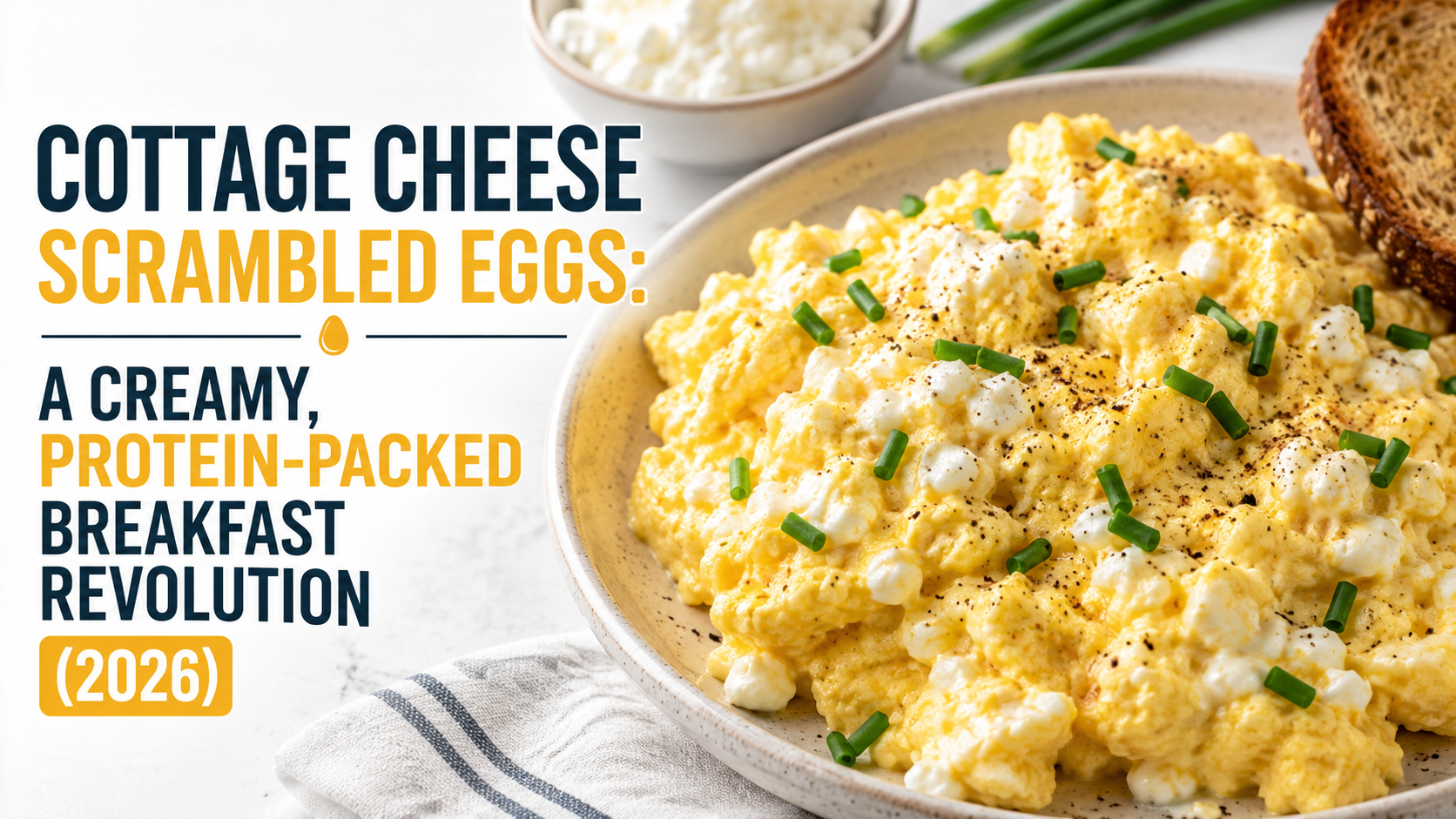
Ever wished your scrambled eggs could be both fluffy and packed with protein? Meet the ultimate breakfast game-changer: cottage cheese scrambled eggs. This isn’t just another egg recipe—it’s a creamy, rich, and incredibly nutritious twist on a classic that’s taking kitchens by storm in 2026. Originating from health-conscious food trends and low-carb diets, this dish blends the airy texture of scrambled eggs with the tangy creaminess of cottage cheese for a meal that’s as satisfying as it is smart. Whether you’re meal-prepping or craving comfort food with a nutritional edge, this recipe delivers on all fronts. Let’s dive into why every breakfast lover needs to try cottage cheese scrambled eggs today.
Quick Recipe Overview
- Prep time: 5 minutes
- Cook time: 7 minutes
- Total time: 12 minutes
- Servings: 2
- Cuisine: Modern American / Health-Focused
- Difficulty level: Easy
Why Cottage Cheese Scrambled Eggs?
This innovative breakfast combines two powerhouse ingredients to create something extraordinary. The cottage cheese adds moisture, richness, and a boost of protein without heaviness. Unlike traditional scrambled eggs that can dry out quickly, this version stays soft and velvety thanks to the cheese’s high water content. Plus, it’s naturally lower in fat than many dairy-based alternatives and rich in probiotics for gut health. Perfect for busy mornings, post-workout fuel, or anyone watching their carb intake—this dish proves healthy eating doesn’t have to sacrifice flavor or texture.
The Science Behind the Creaminess
Cottage cheese contains casein, a slow-digesting milk protein that helps keep you full longer. When blended into eggs, it creates a custard-like consistency that resists overcooking. This means your scramble stays tender even if you’re distracted by emails or podcasts. The result? Fluffy, cloud-like bites with zero rubbery edges.
Essential Ingredients
Gather these simple, wholesome ingredients for the best cottage cheese scrambled eggs:
- 4 large eggs
- ½ cup (120g) low-fat cottage cheese (small-curd style works best)
- 2 tablespoons whole milk or unsweetened almond milk
- Salt and freshly ground black pepper – to taste
- 1 teaspoon butter or olive oil
- Optional add-ins:
- Chopped chives or green onions
- Diced tomatoes (fresh or canned)
- Crumbled bacon or turkey bacon
- Shredded cheddar or feta for extra richness
Step-by-Step Instructions
- Whisk the base: In a bowl, crack the eggs and whisk thoroughly until fully combined. Add cottage cheese and milk. Whisk again until smooth and slightly frothy—this prevents curds from forming during cooking.
- Heat the pan: Place a non-stick skillet over medium-low heat. Add butter or oil and let it melt, swirling to coat the surface.
- Cook slowly: Pour the egg mixture into the pan. Let it sit undisturbed for 30 seconds, then gently stir with a spatula every 30–60 seconds. Use soft folds rather than aggressive scrambling to maintain fluffiness.
- Finish to perfection: Cook until eggs are softly set and barely moist (they’ll continue cooking off-heat). Season with salt and pepper. Fold in any optional add-ins.
- Serve immediately: Transfer to plates while still warm. Garnish with fresh herbs or a sprinkle of cheese if desired.
Pro Tip:
For ultra-creamy results, pulse the cottage cheese briefly in a food processor before adding it to the eggs. This breaks down large curds and creates a smoother blend.
Tips & Variations
- Texture hack: If using regular cottage cheese (not small-curd), strain it through a fine-mesh sieve first to remove excess whey.
- Vegan option: Swap eggs for silken tofu blended with nutritional yeast and turmeric for color.
- Spice it up: Add a pinch of smoked paprika or cayenne for depth and warmth.
- Meal prep friendly: Make a batch and store in jars for up to 3 days—just reheat gently on the stove.
- Kid-approved: Blend in steamed broccoli or shredded carrots for hidden veggies.
Serving Suggestions
Elevate your cottage cheese scrambled eggs with these complementary ideas:
- Accompaniments: Sliced avocado, sautéed spinach, roasted cherry tomatoes, or whole-grain toast.
- Drinks: Freshly squeezed orange juice, matcha latte, or a glass of cold-pressed green juice.
- Plating: Serve in warmed bowls with a drizzle of hot sauce or pesto on top.
- Global twist: Top with kimchi for Korean flair or salsa verde for Mexican-inspired zest.
Storage & Reheating
Store leftover cottage cheese scrambled eggs in an airtight container in the refrigerator for up to 3 days. They hold up surprisingly well due to the cottage cheese’s stabilizing properties. To reheat:
- Microwave: 20–30 seconds at 50% power, stirring halfway.
- Stovetop: Warm gently over low heat with a splash of milk or cream to restore moisture.
Avoid boiling—it will cause the eggs to become rubbery and separate.
Nutritional Information (per serving)
- Calories: 210
- Protein: 22g
- Fat: 9g (mostly unsaturated)
- Carbohydrates: 5g
- Fiber: 0g
- Sugar: 4g
- Calcium: 15% DV
*Values based on standard ingredients. Actuals may vary with additions like cheese or meat.
Key Takeaways
- Cottage cheese scrambled eggs deliver maximum protein with minimal effort.
- The secret to fluffiness lies in low heat and constant gentle folding.
- This dish supports muscle repair, satiety, and digestive health.
- It’s versatile, kid-friendly, and perfect for meal prepping.
- No more boring breakfasts—flavor and nutrition in one bowl.
FAQs
Can I use regular cheese instead of cottage cheese?
Not recommended. Regular cheeses like mozzarella or cheddar melt differently and don’t blend smoothly into eggs. They also lack the mild acidity and moisture that make cottage cheese ideal for scrambles.
Will this work with lactose-free cottage cheese?
Absolutely! Lactose-free versions behave identically in cooking. Just ensure they’re not overly thick—drain excess liquid if needed.
How do I prevent my scrambled eggs from becoming watery?
Use fresh eggs and low heat. Overcooking causes water separation. Also, avoid adding too much milk; cottage cheese provides enough moisture already.
Is cottage cheese safe to eat raw in this recipe?
Yes—pasteurized cottage cheese is safe to consume raw when used in cooked dishes like scrambled eggs. However, always check packaging to confirm pasteurization status.
Can I make this ahead of time?
While best enjoyed fresh, you can prepare the egg mixture ahead and store it in the fridge for up to 24 hours. Just give it a good whisk before cooking.
Conclusion
If you’ve been searching for the best cottage cheese scrambled eggs recipe 2026, your search ends here. This isn’t just another trendy health hack—it’s a delicious, practical, and deeply satisfying way to start your day. With its creamy texture, impressive nutrition profile, and lightning-fast prep time, it’s no wonder this dish is dominating breakfast tables across wellness-focused households. Whether you’re following a keto plan, building muscle, or simply tired of dry eggs, give this method a try. Trust us—you’ll wonder how you ever scrambled eggs any other way. Now go whip up a batch and taste the difference!