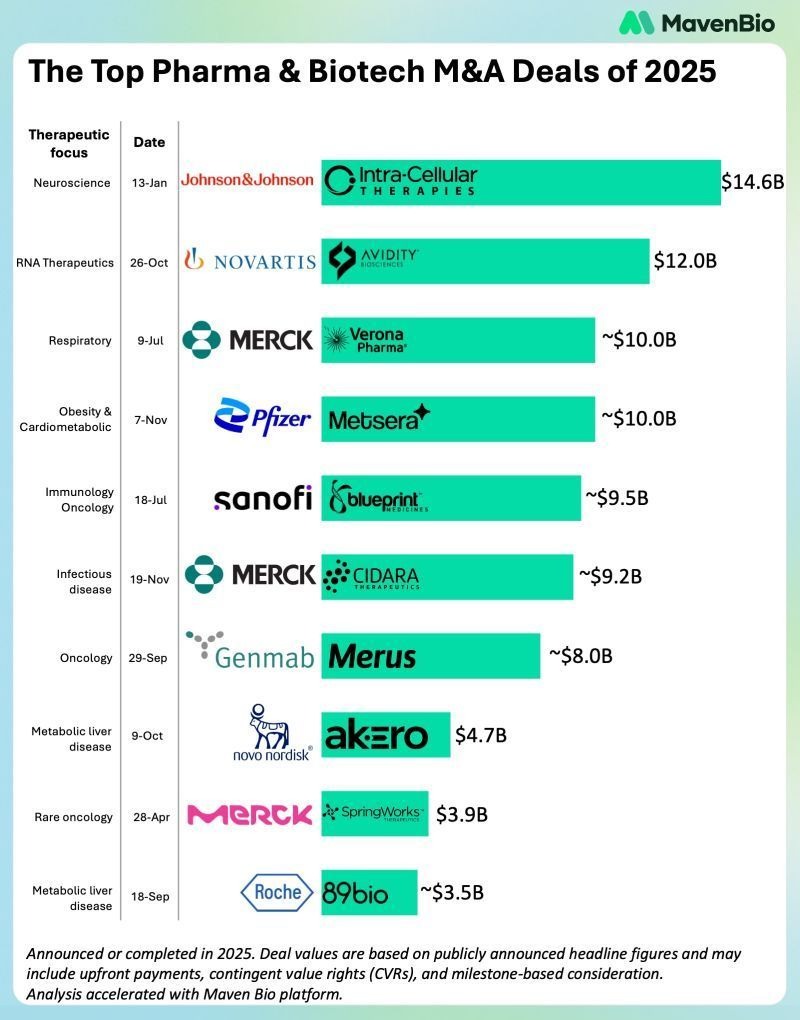
The pharmaceutical industry is entering a transformative phase in 2025, with Top Pharma Deals in M&A 2025 reshaping the competitive landscape. As companies seek to strengthen pipelines, expand therapeutic reach, and leverage cutting-edge technologies, merger and acquisition activity has reached unprecedented levels. From oncology breakthroughs to AI-driven drug discovery, strategic alliances are no longer just about scale—they’re about survival and innovation in a rapidly evolving market.
With patent cliffs looming and R&D costs soaring, pharma giants are turning to M&A to fill gaps and accelerate time-to-market. The year 2025 has already seen a surge in high-value transactions, signaling a shift toward specialization, digital health integration, and global expansion. These deals are not only redefining corporate portfolios but also influencing patient access to next-generation treatments.
Key Drivers Behind the Surge in Pharma M&A Activity
Several factors are fueling the momentum in pharmaceutical mergers and acquisitions this year. First, the expiration of key drug patents is pressuring companies to replenish their revenue streams. Second, advancements in biotechnology—especially in gene therapy and mRNA platforms—are creating lucrative acquisition targets.
- Patent Expirations: Blockbuster drugs losing exclusivity are pushing firms to acquire late-stage assets.
- Digital Health Integration: AI, real-world data, and telemedicine platforms are becoming essential components of modern pharma strategy.
- Global Market Access: Companies are acquiring regional players to penetrate emerging markets in Asia, Latin America, and Africa.
- Specialized Therapeutics: Focus on rare diseases, oncology, and neurology is driving niche acquisitions.
Additionally, regulatory clarity in major markets like the U.S. and EU has reduced deal uncertainty, encouraging bolder moves. Investors are also rewarding companies that demonstrate agile portfolio management and innovation-led growth.
Notable Top Pharma Deals in M&A 2025
2025 has already witnessed several landmark transactions that underscore the strategic priorities of leading pharmaceutical firms. These deals reflect a clear trend: consolidation around high-growth therapeutic areas and technological differentiation.
1. Novartis Acquires BioNTech’s Oncology Division
In a $12.5 billion all-cash deal, Novartis secured BioNTech’s cancer immunotherapy pipeline, including personalized mRNA cancer vaccines. This acquisition strengthens Novartis’ position in oncology and accelerates its entry into precision oncology. The deal also includes co-development rights for next-gen CAR-T therapies.
2. Pfizer’s Strategic Buy of NeuroCure Therapeutics
Pfizer expanded its neuroscience portfolio by acquiring NeuroCure for $8.3 billion. The German biotech firm specializes in Alzheimer’s and Parkinson’s disease treatments, with two Phase III candidates nearing approval. This move aligns with Pfizer’s long-term goal of becoming a leader in neurodegenerative diseases.
3. Roche’s Expansion into Digital Diagnostics
Roche completed a $6.1 billion acquisition of DiagnoTech AI, a leader in AI-powered diagnostic imaging. The integration aims to enhance Roche’s companion diagnostics capabilities, particularly in oncology and infectious diseases. This deal highlights the growing synergy between pharmaceuticals and digital health.
4. GSK and Sanofi Joint Venture in Vaccines
While not a full acquisition, GSK and Sanofi formed a $10 billion joint venture to consolidate their vaccine R&D and manufacturing. The partnership focuses on next-generation flu, RSV, and universal coronavirus vaccines. This collaboration reflects a shift toward shared risk and resource optimization in high-cost development areas.
Emerging Trends Shaping Pharma M&A Strategy
Beyond the headline deals, several underlying trends are influencing how companies approach M&A in 2025. These trends are not just about financial engineering—they reflect deeper shifts in how value is created in the life sciences sector.
- Asset-Light Acquisitions: Companies are increasingly targeting biotechs with promising Phase II assets rather than fully commercialized products, reducing upfront costs and risk.
- Cross-Border Deals: U.S. and European firms are acquiring Asian biotechs to tap into innovation hubs in South Korea, China, and India.
- ESG Integration: Sustainability and access-to-medicine commitments are now part of due diligence, influencing deal structures and post-merger integration.
- Regulatory Arbitrage: Firms are structuring deals to optimize for faster approvals in multiple jurisdictions.
Another notable shift is the rise of “reverse mergers,” where large pharma companies acquire smaller firms not for revenue, but for talent and R&D culture. This reflects a growing recognition that innovation often stems from agile, entrepreneurial environments.
Challenges and Risks in the Current M&A Climate
Despite the optimism, the current wave of pharma M&A is not without risks. Integration challenges, cultural mismatches, and regulatory scrutiny remain significant hurdles. Overpaying for assets with unproven clinical outcomes has led to write-downs in previous cycles, and investors are demanding greater transparency.
Moreover, geopolitical tensions—particularly around data security and supply chain resilience—are complicating cross-border deals. Companies must now assess not just scientific merit, but also national security implications, especially when acquiring firms with ties to sensitive technologies.
Finally, the pace of innovation means that today’s breakthrough could be tomorrow’s obsolete therapy. Acquiring companies must ensure they have the infrastructure to adapt and scale new platforms quickly.
Key Takeaways from Top Pharma Deals in M&A 2025
- M&A activity in 2025 is driven by innovation gaps, patent cliffs, and the need for digital transformation.
- Oncology, neurology, and rare diseases are the hottest therapeutic areas for acquisitions.
- Digital health and AI are becoming core components of pharma strategy, not just add-ons.
- Cross-border and joint venture deals are increasing as firms seek global reach and risk-sharing.
- Success depends on seamless integration, cultural alignment, and long-term strategic vision.
FAQ: Top Pharma Deals in M&A 2025
What are the main reasons behind the increase in pharma M&A in 2025?
The rise in M&A is primarily driven by patent expirations, the need to replenish drug pipelines, and the integration of digital health technologies. Companies are also seeking access to innovative platforms in gene therapy, AI, and personalized medicine.
Which therapeutic areas are most attractive for acquisitions in 2025?
Oncology remains the top target, followed by neurology, rare diseases, and infectious diseases. These areas offer high unmet medical need and strong reimbursement potential, making them attractive for long-term growth.
How are regulatory changes affecting pharma M&A deals?
Regulatory agencies are becoming more collaborative, especially in expediting reviews for breakthrough therapies. However, increased scrutiny on data privacy, national security, and antitrust issues is adding complexity to cross-border transactions.
As the pharmaceutical industry continues to evolve, the Top Pharma Deals in M&A 2025 will serve as benchmarks for strategic agility and innovation. Companies that balance financial discipline with bold vision will be best positioned to lead in the next decade of healthcare transformation.