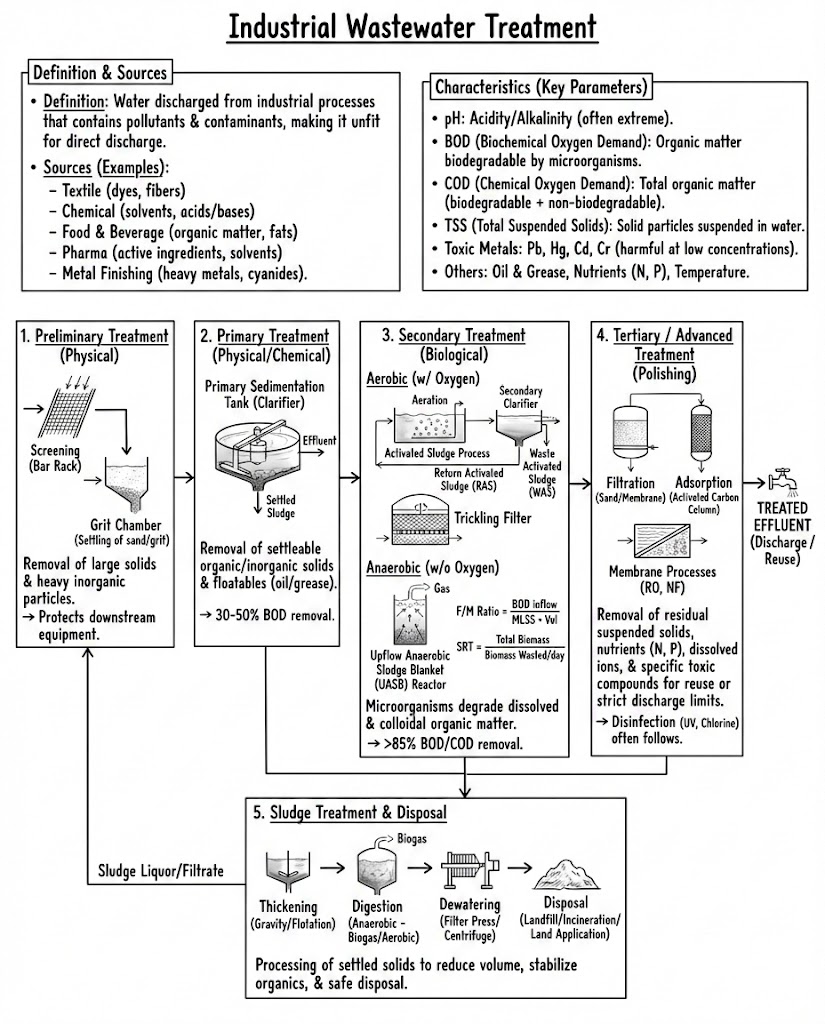
Industrial wastewater surges from myriad sectors, a deluge of effluents laced with pollutants. Factories churn out this liquid byproduct. Think chemical plants spewing acids, textiles releasing dyes, food processors discarding organic slop. Each industry imprints its unique signature on the water. Mining operations leach heavy metals. Pharmaceuticals introduce recalcitrant compounds. The scope broadens endlessly. Petroleum refineries contribute hydrocarbons, while pulp and paper mills add lignins and chlorides. This variegated torrent demands nuanced understanding. Sources multiply across the globe, from bustling metropolises to remote extraction sites.
Environmental and Economic Imperatives
Polluted waters ravage ecosystems. Rivers turn toxic. Aquatic life perishes. Yet, treatment heralds redemption. Clean effluents safeguard biodiversity. Economies thrive too. Untreated discharges invite fines, shutdowns, reputational ruin. Conversely, efficient purification recycles water, curtails freshwater depletion. Industries reclaim resources. Profits soar amid sustainability. The imperative resonates: mitigate environmental degradation while bolstering fiscal resilience. Global water scarcity amplifies this urgency. By 2026, projections indicate acute shortages in industrial hubs. Treatment emerges as a beacon of hope.
Global Regulatory Landscape
Regulations evolve swiftly. Nations enforce stringent standards. The European Union’s Water Framework Directive mandates pristine discharges. In the United States, the Clean Water Act scrutinizes point-source pollution. Asia’s powerhouses, like China and India, tighten norms amid rapid industrialization. Permits dictate contaminant thresholds. Monitoring becomes obligatory. International accords, such as the Stockholm Convention, target persistent organic pollutants. Compliance fosters innovation. Penalties deter negligence. This landscape shapes treatment paradigms, urging industries toward proactive stewardship.
Challenges in Managing Industrial Effluents
Contaminant Diversity and Complexity
Effluents harbor a kaleidoscope of contaminants. Heavy metals lurk. Organic solvents persist. Pathogens occasionally infiltrate. Complexity arises from synergistic interactions. One pollutant exacerbates another’s toxicity. Traditional assays falter. Detection requires sophisticated spectrometry. Industries grapple with this heterogeneity. Tailored solutions prove elusive. Variability in wastewater composition—pH fluctuations, salinity spikes—complicates remediation. Engineers confront a labyrinthine puzzle daily.
Scalability and Cost Barriers
Scaling treatment plants poses Herculean tasks. Small enterprises balk at capital outlays. Massive facilities demand land, energy, expertise. Costs escalate. Maintenance devours budgets. Retrofitting outdated systems burdens finances further. Yet, economies of scale beckon larger operations. Subsidies occasionally alleviate strains. Public-private partnerships emerge as lifelines. Barriers persist, though. In developing regions, funding scarcities stymie progress. Innovative financing models, like green bonds, offer glimmers of relief.
Emerging Pollutants and Their Impacts
Microplastics infiltrate streams. Pharmaceuticals evade conventional filters. Per- and polyfluoroalkyl substances (PFAS) defy degradation. These neoteric contaminants wreak havoc. Endocrine disruption ensues. Human health teeters. Ecosystems falter under insidious assaults. Research unveils cascading effects. Bioaccumulation magnifies threats. Treatment paradigms shift accordingly. Awareness burgeons. Scientists advocate for vigilant monitoring. Impacts ripple globally, from coral reefs to urban aquifers.
Innovative Treatment Technologies
Physical and Chemical Processes
Sedimentation initiates purification. Particles settle. Flocculation aggregates fines. Chemical coagulation employs alum or ferric salts. Precipitation extracts metals. Adsorption onto activated carbon captures organics. Ion exchange swaps noxious ions. These processes form the bedrock. Efficiency varies. Integration amplifies efficacy. Industries deploy them judiciously. Short bursts of energy-intensive steps yield rapid results. Long-term operations sustain clarity.
Biological Remediation Techniques
Microbes devour pollutants. Activated sludge systems teem with bacteria. Anaerobic digesters harness methanogens. Wetlands mimic nature’s filtration. Phytoremediation enlists plants. Algae absorb nutrients. These biotic approaches thrive on sustainability. Low energy demands appeal. Yet, acclimation periods extend. Toxicity thresholds limit applicability. Innovations like biofilm reactors enhance resilience. Nature’s ingenuity shines through.
Advanced Oxidation and Membrane Systems
Hydroxyl radicals obliterate recalcitrants. Ozone, UV, peroxides catalyze destruction. Membrane bioreactors fuse filtration with biology. Reverse osmosis rejects salts. Nanofiltration targets specifics. These vanguard technologies excel in precision. Costs plummet with advancements. Scalability improves. Industries embrace them for zero-liquid discharge goals. Futuristic hybrids promise even greater prowess.
Case Studies and Future Prospects
Successful Implementations Worldwide
In Singapore, NEWater reclaims industrial effluents. Purity rivals distilled water. Germany’s chemical giants employ electrocoagulation. Effluents sparkle anew. India’s textile clusters adopt zero-discharge plants. Dyes vanish. The United States’ fracking sites utilize mobile units. Contaminants plummet. These exemplars inspire. Challenges surmounted. Benefits accrue manifold.
Sustainability and Circular Economy Integration
Treatment dovetails with circularity. Water loops close. Byproducts valorized. Sludge becomes biogas. Metals recover value. Industries pivot toward regenerative models. Carbon footprints shrink. Stakeholder collaborations flourish. Sustainability metrics guide decisions. The ethos permeates boardrooms.
Anticipated Innovations and Policy Shifts
AI optimizes processes. Sensors predict anomalies. Nanotechnology refines filters. Policies evolve toward stringency. Incentives reward green tech. Global pacts harmonize standards. Innovations burgeon. Prospects gleam brightly. Industrial wastewater treatment advances, a cheerful march toward cleaner tomorrows.